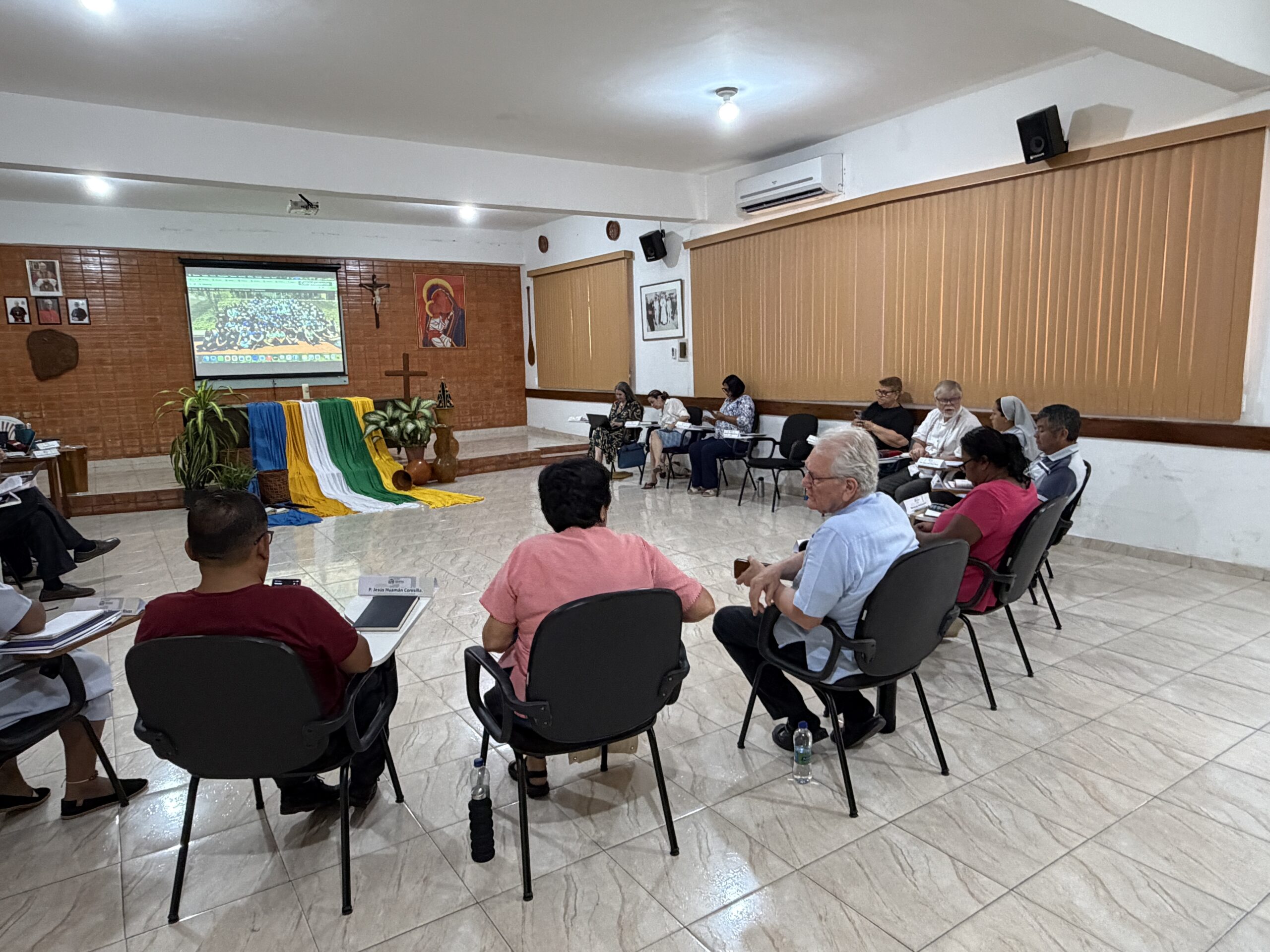
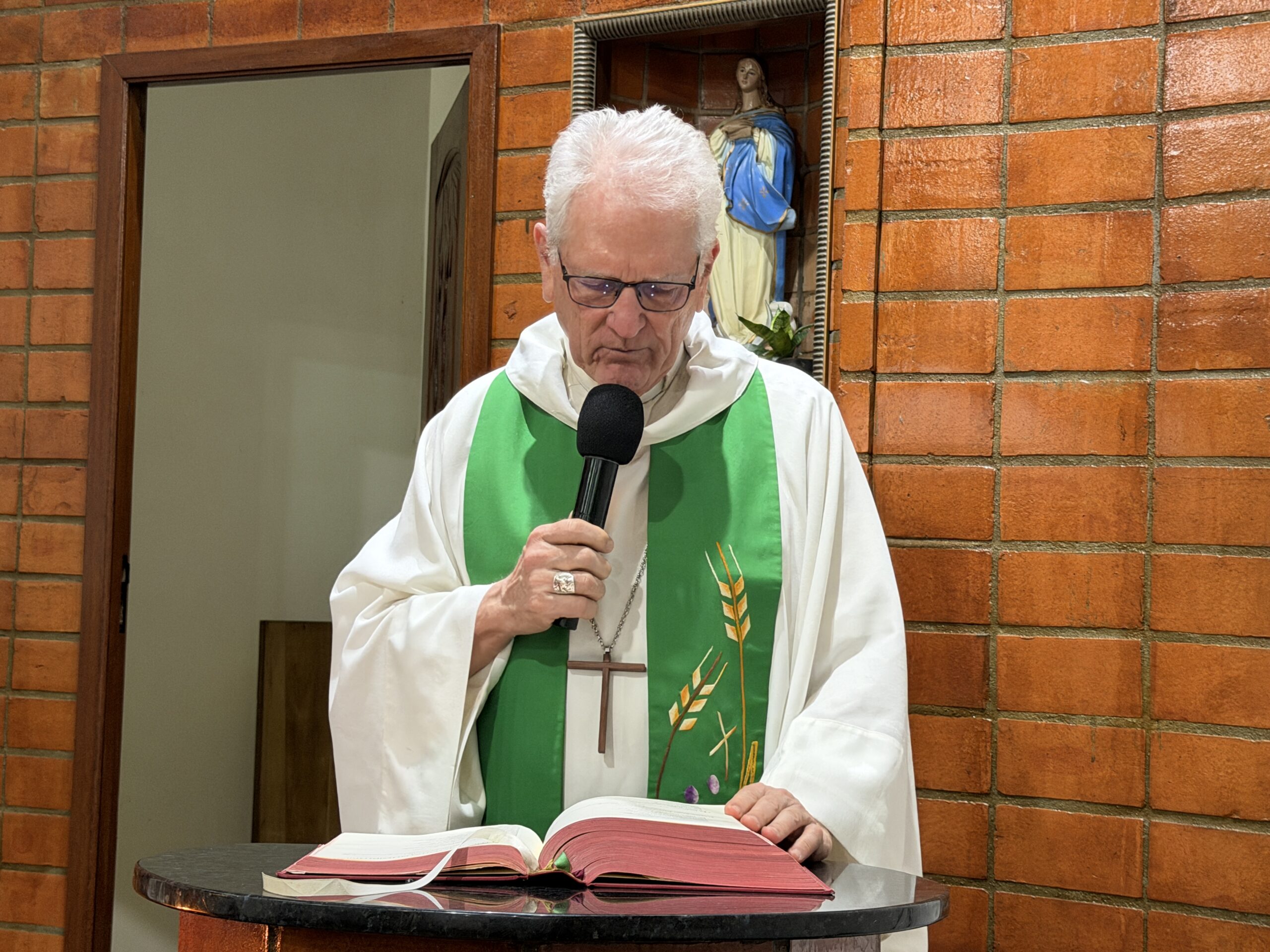
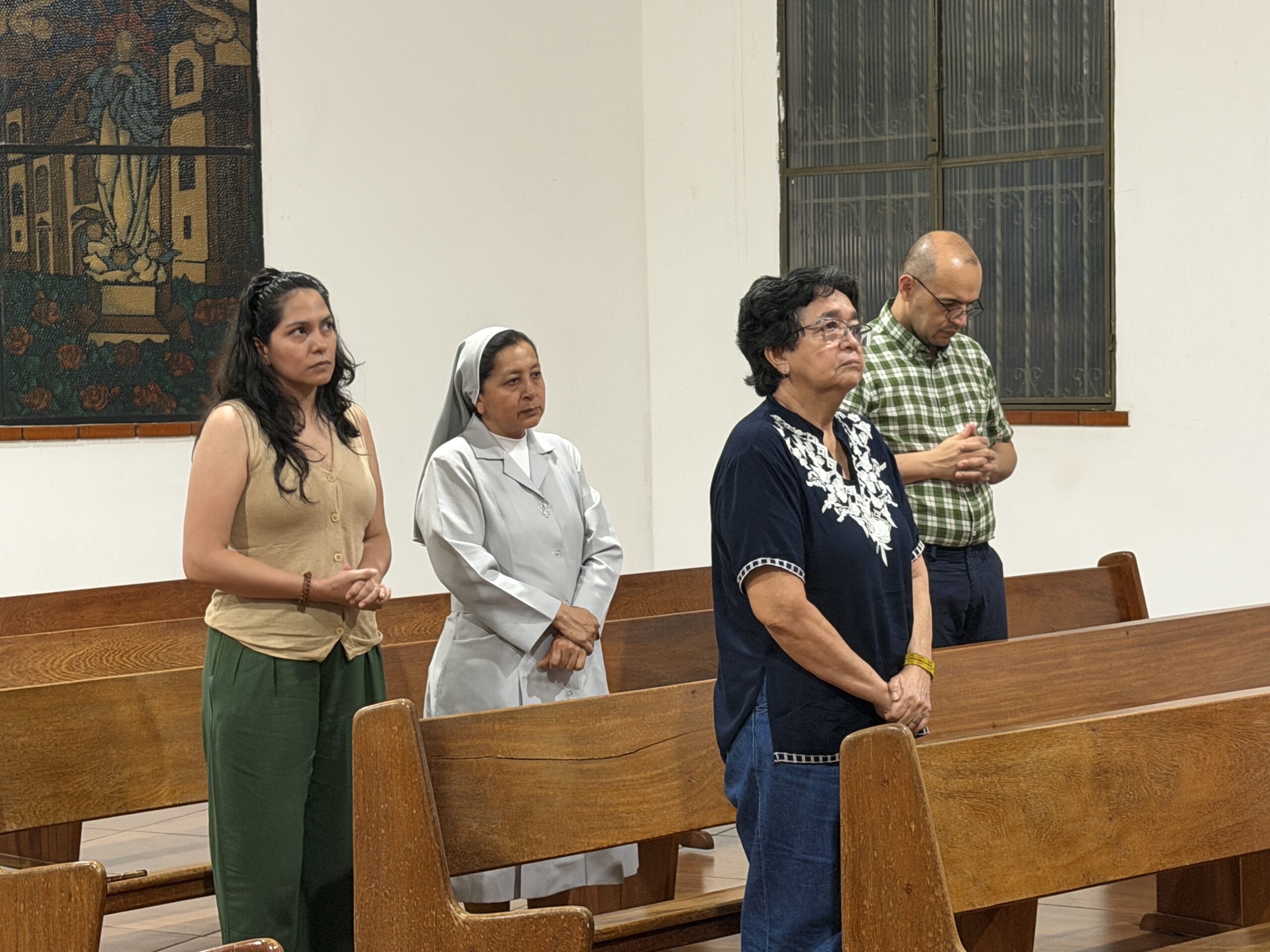
The Presidency, Executive Secretariat, advisors, and ecclesial commissions of the Ecclesial Conference of the Amazon met on September 22 and 23 in Manaus, Brazil, to reflect on the progress made, assess challenges, and plan new initiatives in service to the Church in the Amazon.
On September 22 and 23, the Maromba Pastoral Center of the Archdiocese of Manaus hosted the Institutional Meeting of the Ecclesial Conference of the Amazon (CEAMA), a space for encounter, communion, and coordination that brought together representatives from the Presidency, the Executive Secretariat, advisors, and the organization’s various ecclesial commissions.
The gathering helped strengthen the bonds among those who support CEAMA’s various processes and fostered a shared perspective on the pastoral, social, cultural, and socio-environmental challenges facing the Amazonian territories.
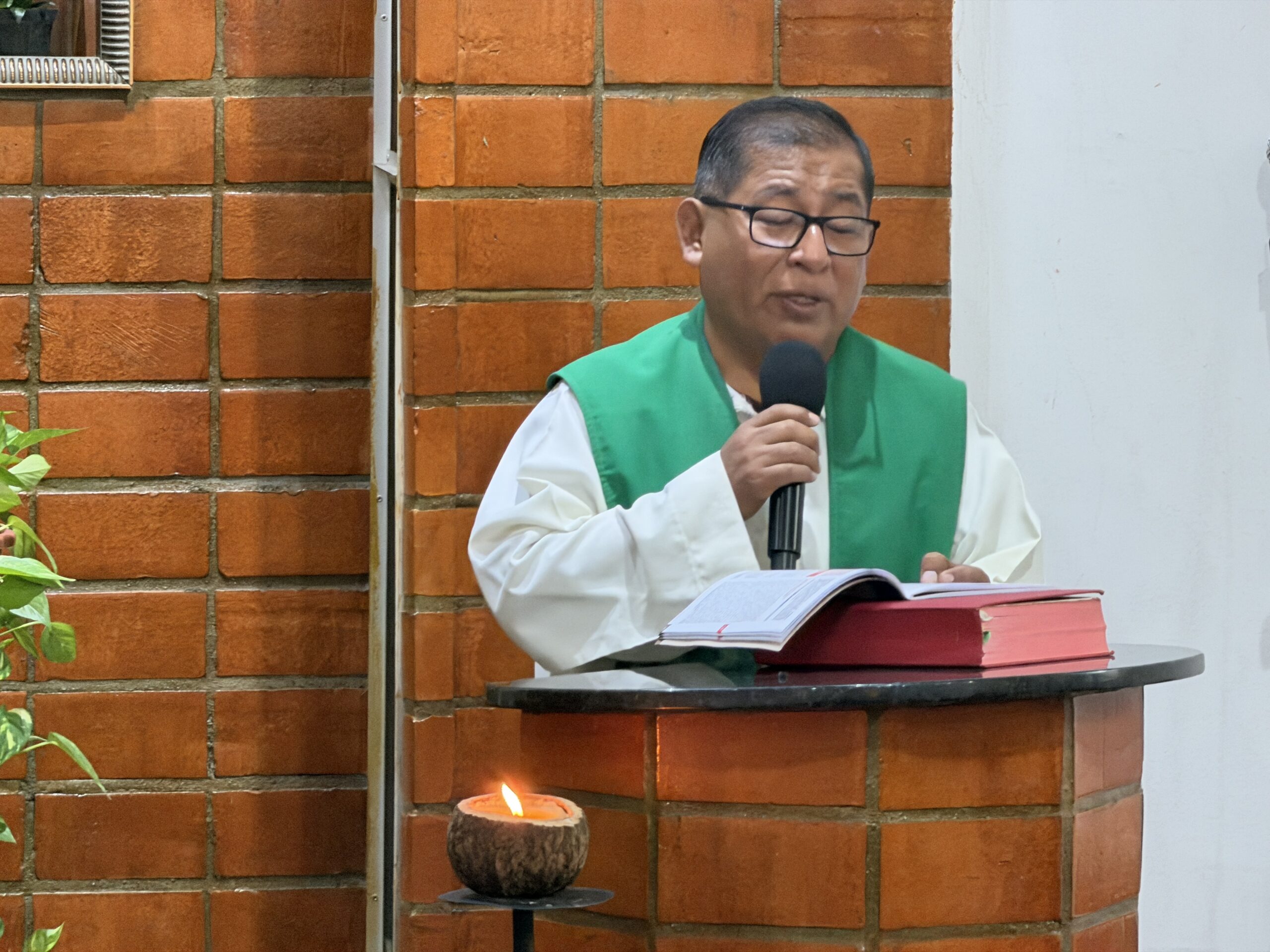
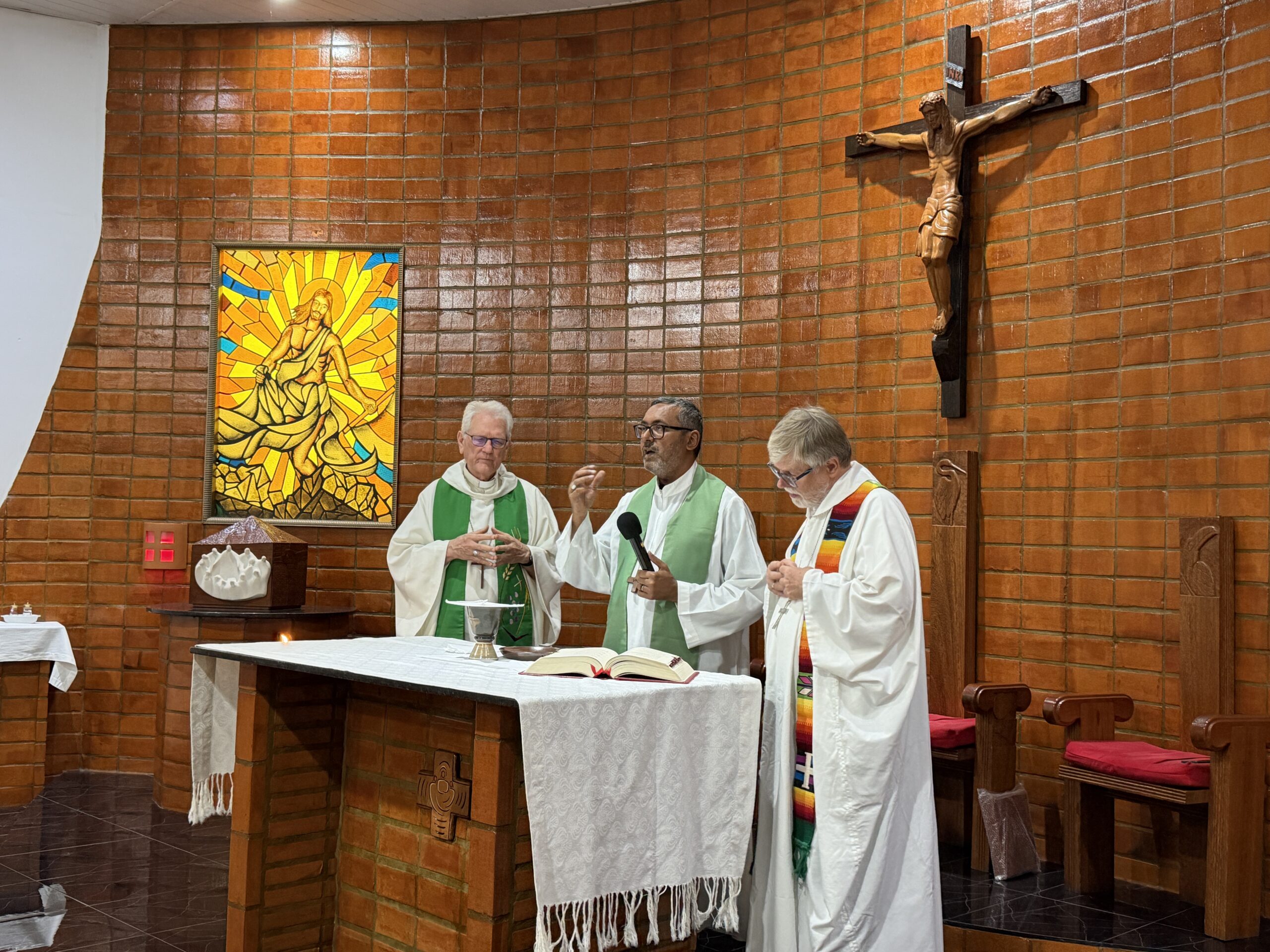
Throughout the event, there were various moments of fraternity, prayer, and communion, which helped deepen the ecclesial meaning of the path CEAMA is pursuing in this new institutional phase.
One of the central moments of the meeting was the presentation of the progress made by each of the ecclesial commissions. In these sessions, participants shared the main actions undertaken, experiences, progress, challenges, objectives, and goals, as well as the future directions that will guide each commission’s work in the coming months.
A Shared Vision for CEAMA’s Journey
The Ecclesial Commission on Liturgy, composed of Monsignor Raimundo Vanthuy, Fr. Agenor Brighenti, and Fr. Damasio Medeiros, presented the progress and perspectives related to liturgical processes and the journey toward a Church with an Amazonian face.
For its part, the Ecclesial Commission on Women’s Ministry, represented by Sister Digna Lucia Pauta and Iris del Carmen Preto de Baque, shared the processes aimed at deepening the participation and recognition of women’s ministry in the life and mission of the Church in the Amazon.
The Commission on Intercultural Education and Formative Processes, composed of Sr. Marbelys Monrroy, Sr. Maria del Carmen Paredes Masco, and Ana Gabriela Jimenez, presented the path developed in collaboration with the Amazonian Network for Bilingual Intercultural Education (REIBA), as well as the challenges and prospects for educational and formative processes in the region.
These exchanges made it possible to recognize the diversity of initiatives taking place in the region and, at the same time, to identify points of convergence to strengthen the coordination among the different dimensions of CEAMA’s mission.
An Amazonian Church Walking in Communion
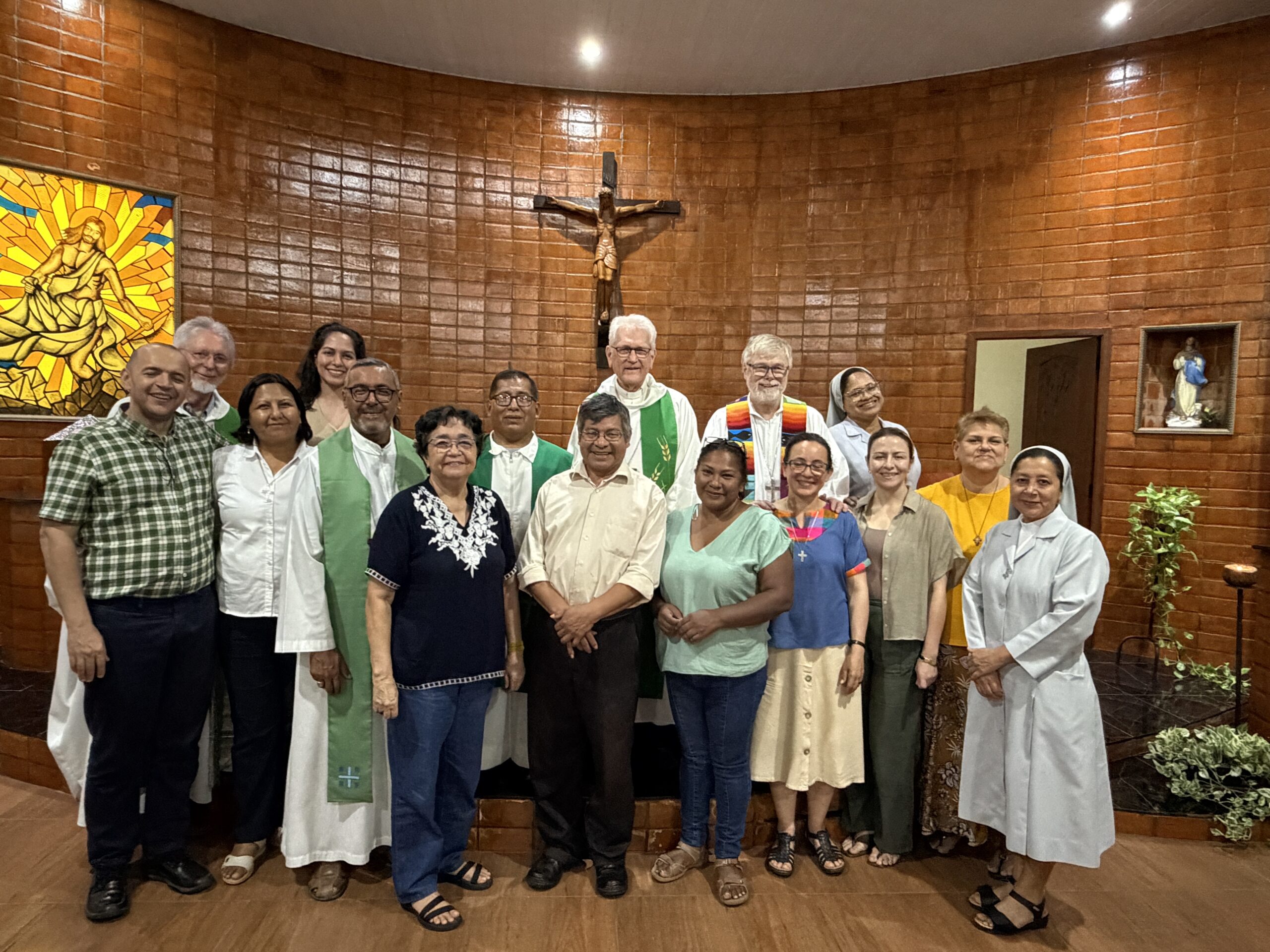
The meeting was attended by Cardinal Leonardo Steiner, president of CEAMA, along with Sister Sônia Maria Pinho de Matos, Fr. Jesús Huamán, Juan Urañavi Yeroqui, and Marva Joy Hawksworth, members of the Presidency.
Also in attendance were Executive Secretary Marcelo Lemos, along with Sister Carolina Forero, Viviana Granada, and Fernando Rueda, members of the Executive Secretariat.
The event was further attended by advisors Bishop Zenildo Lima da Silva, Bishop Eugenio Coter, and Sister Birgit Weiler, who participated virtually.
Sister. Rose Bertoldo, Executive Secretary of the CNBB Northern Region 1, participated as a guest, strengthening ties of collaboration and coordination with the local and regional Church.
The meeting reaffirmed the importance of walking together, listening to the different realities of the Amazon, and strengthening coordinated ecclesial action capable of responding to the current challenges facing the Amazonian peoples, communities, and territories.
This Institutional Meeting is thus part of the process of consolidating CEAMA’s new phase and implementing the goals defined for the 2026–2030 period, seeking to ensure that the diversity of gifts, experiences, and responsibilities contributes to a Church that is increasingly synodal, intercultural, and committed to life in the Amazon.
From Manaus, CEAMA continues to foster communion and coordination so that the Church in the Amazon may continue walking alongside its peoples, listening to their realities, and building new paths of hope together.