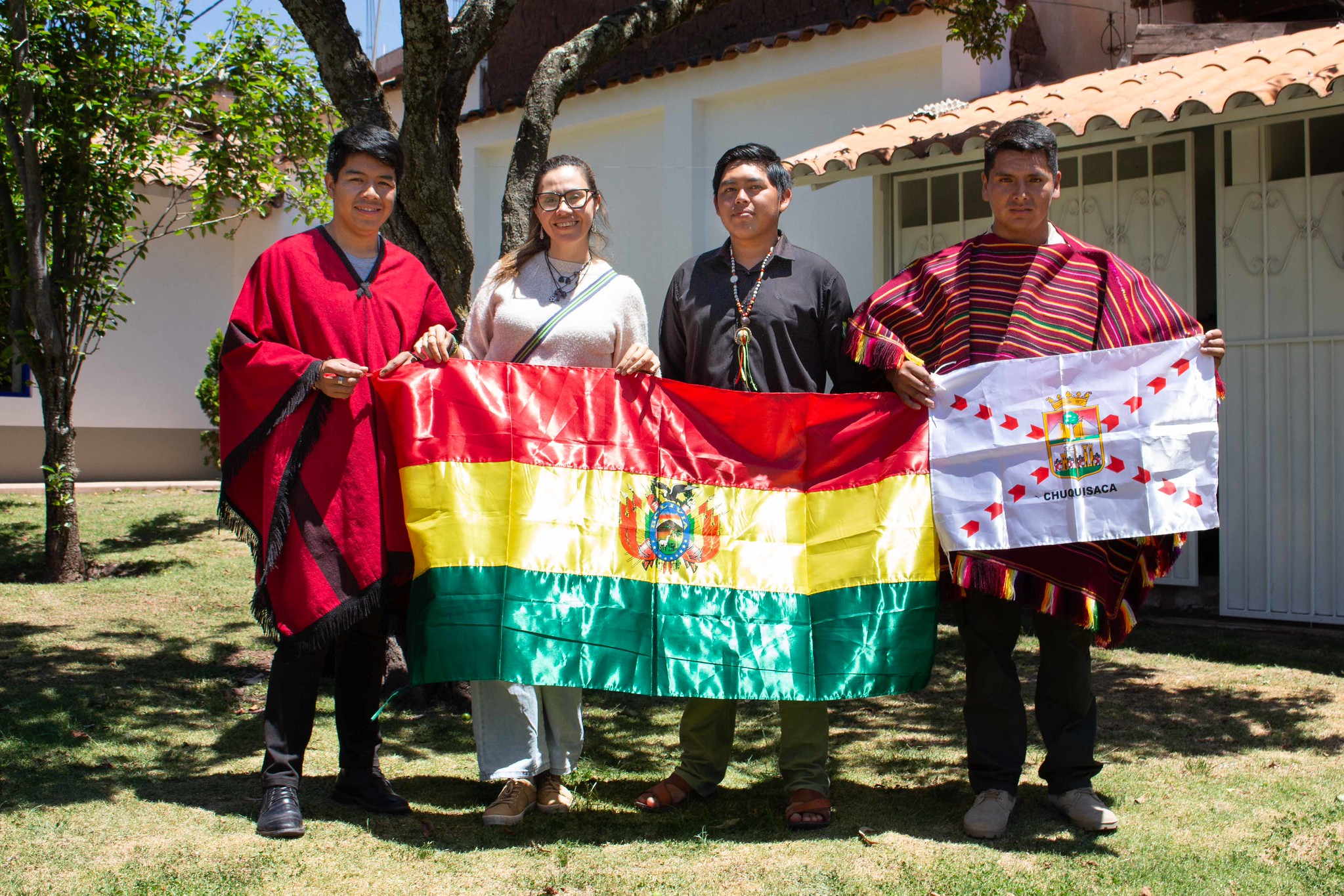
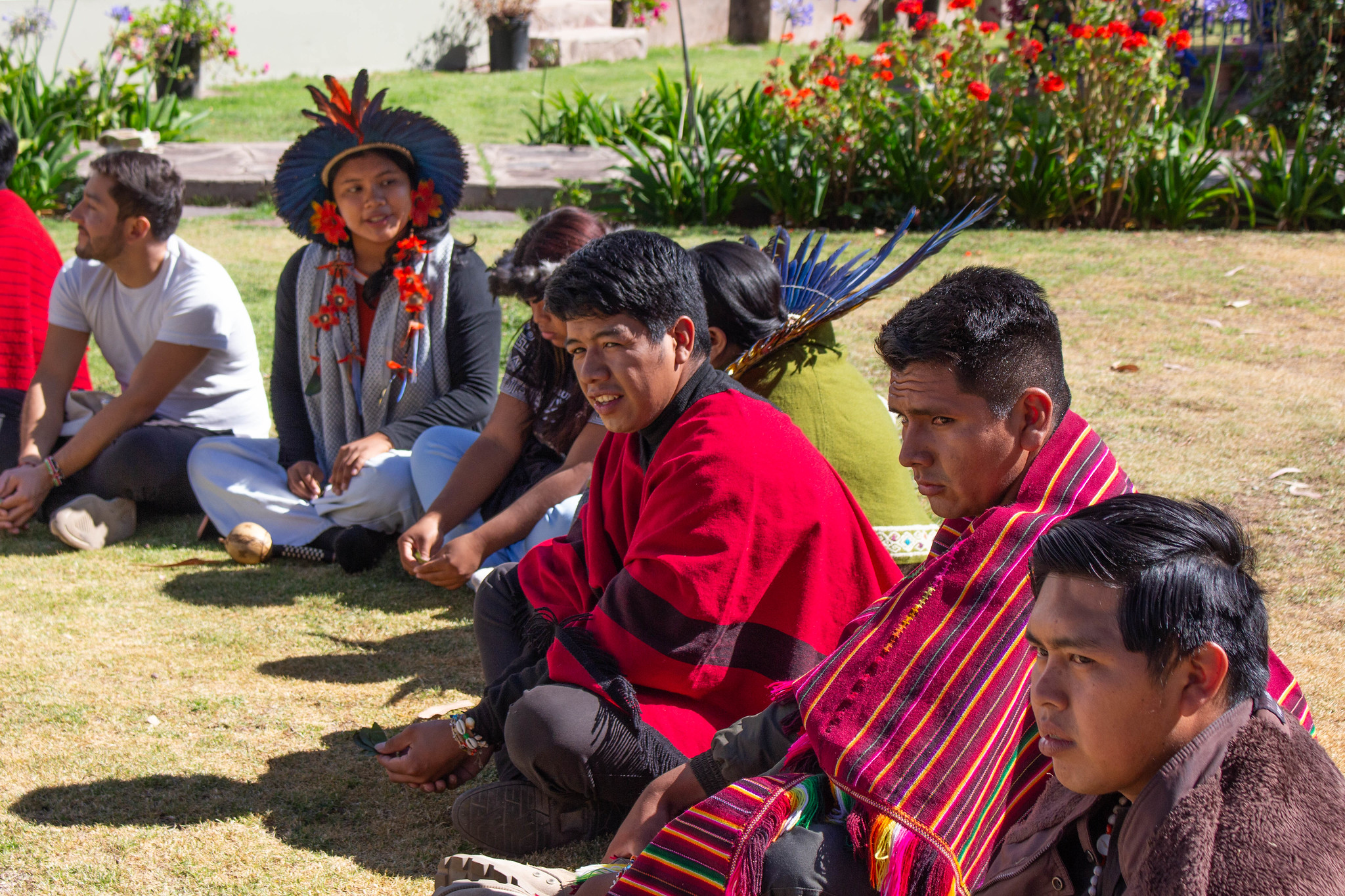
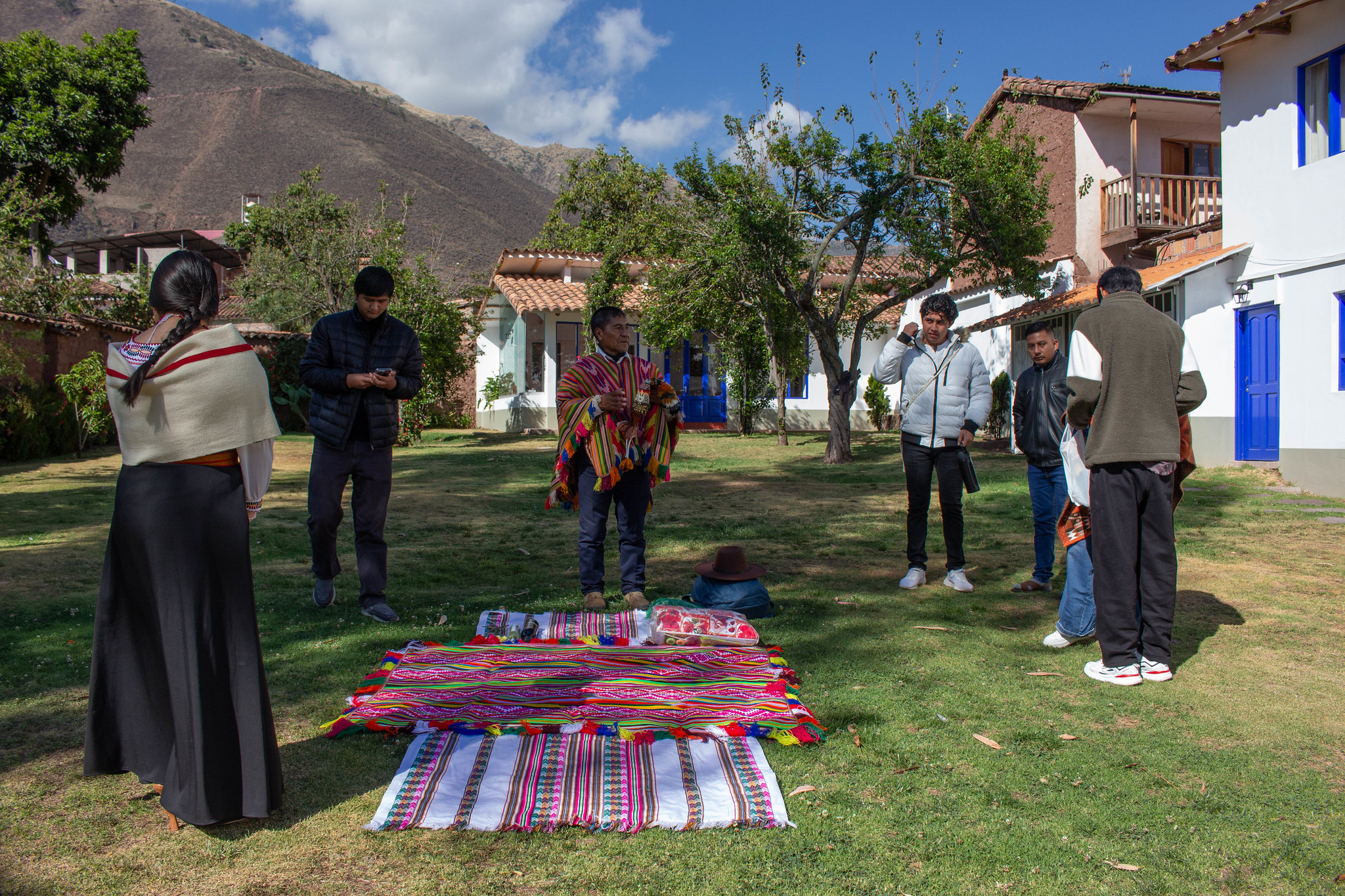
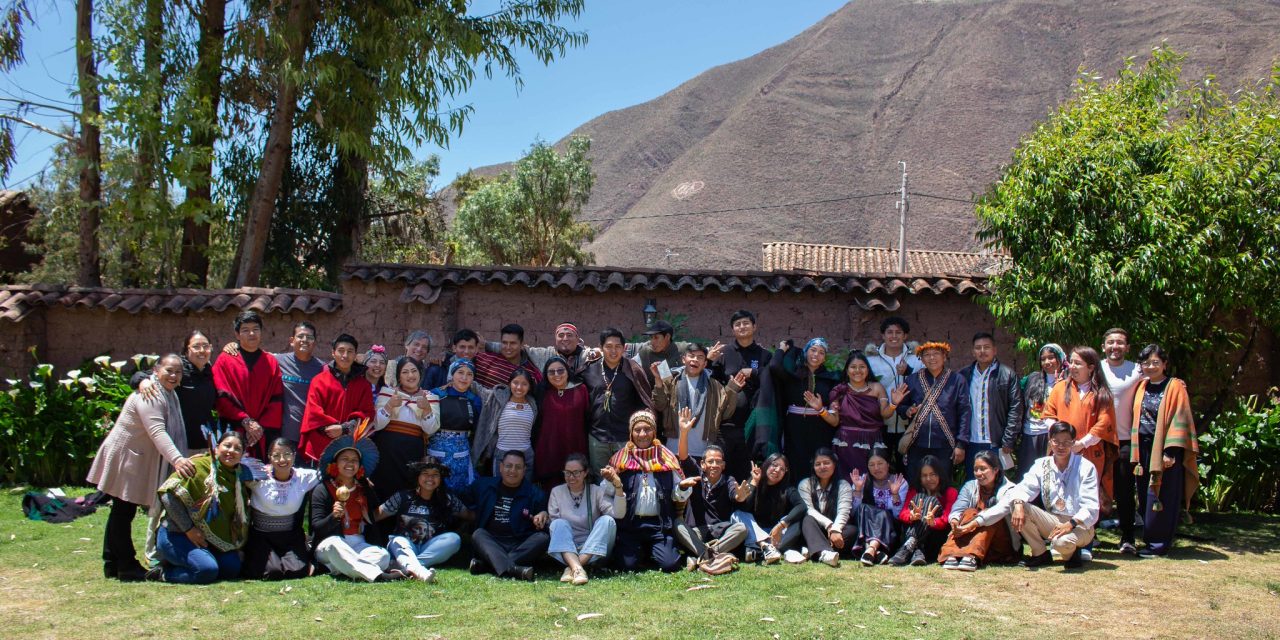
From September 21 to 25, 2026, 49 young people and nine accompanying adults from eight Latin American countries gathered in Andahuaylillas, Cusco, Peru, to share experiences, identify common challenges, and strengthen the leadership role of indigenous youth in defending their territories, cultures, and ancestral knowledge.
The Regional Meeting of Indigenous Youth from Latin America was organized by the Network for Solidarity and Indigenous Apostolate (RSAI) and the Pan-Amazonian Jesuit Service (SJPAM), part of the Conference of Jesuit Provincials of Latin America and the Caribbean (CPAL), with the aim of developing a participatory assessment of the identity, realities, and challenges facing indigenous youth.
During the event, representatives from Mexico, Guatemala, Ecuador, Peru, Bolivia, Brazil, Chile, and Paraguay shared their experiences in areas such as territorial defense, the transmission of indigenous languages, education, youth leadership, community communication, and the care of nature.
Indigenous Youth: Identity, Territory, and Hope
The dialogue helped identify challenges affecting indigenous peoples, including racism, violence, the loss of ancestral languages, migration, pressures from extractive industries, and a lack of opportunities for younger generations.
Faced with these realities, the young people reaffirmed the importance of strengthening their cultural identities, preserving the knowledge passed down by their elders, and promoting active participation in shaping the present and future of their communities.
One of the main outcomes of the meeting was the proposal to launch a regional network of Indigenous youth to facilitate the exchange of experiences, strengthen community initiatives, and expand opportunities for youth participation in Latin America.
As part of the ongoing process, CPAL, RSAI, and SJPAM will facilitate virtual follow-up forums. The contributions gathered during the meeting will be compiled to help develop a regional assessment of indigenous youth.
Youth Strengthening the Defense of Life
The experience in Cusco highlighted the importance of listening to the voices of indigenous youth and recognizing them as key actors in the processes of social, cultural, and environmental transformation in their territories.
From the perspective of a Church committed to Indigenous peoples and the care of our Common Home, these spaces for collaboration help strengthen intercultural dialogue, the defense of life, and the development of alternatives that respect the dignity and rights of communities.
The gathering concluded with a commitment to continue on this shared path, bringing the collectively developed reflections and proposals to each territory. Collaboration among young people from different peoples and countries opens up new possibilities for strengthening their leadership and building a future in which ancestral cultures, territories, and new generations are recognized and protected.