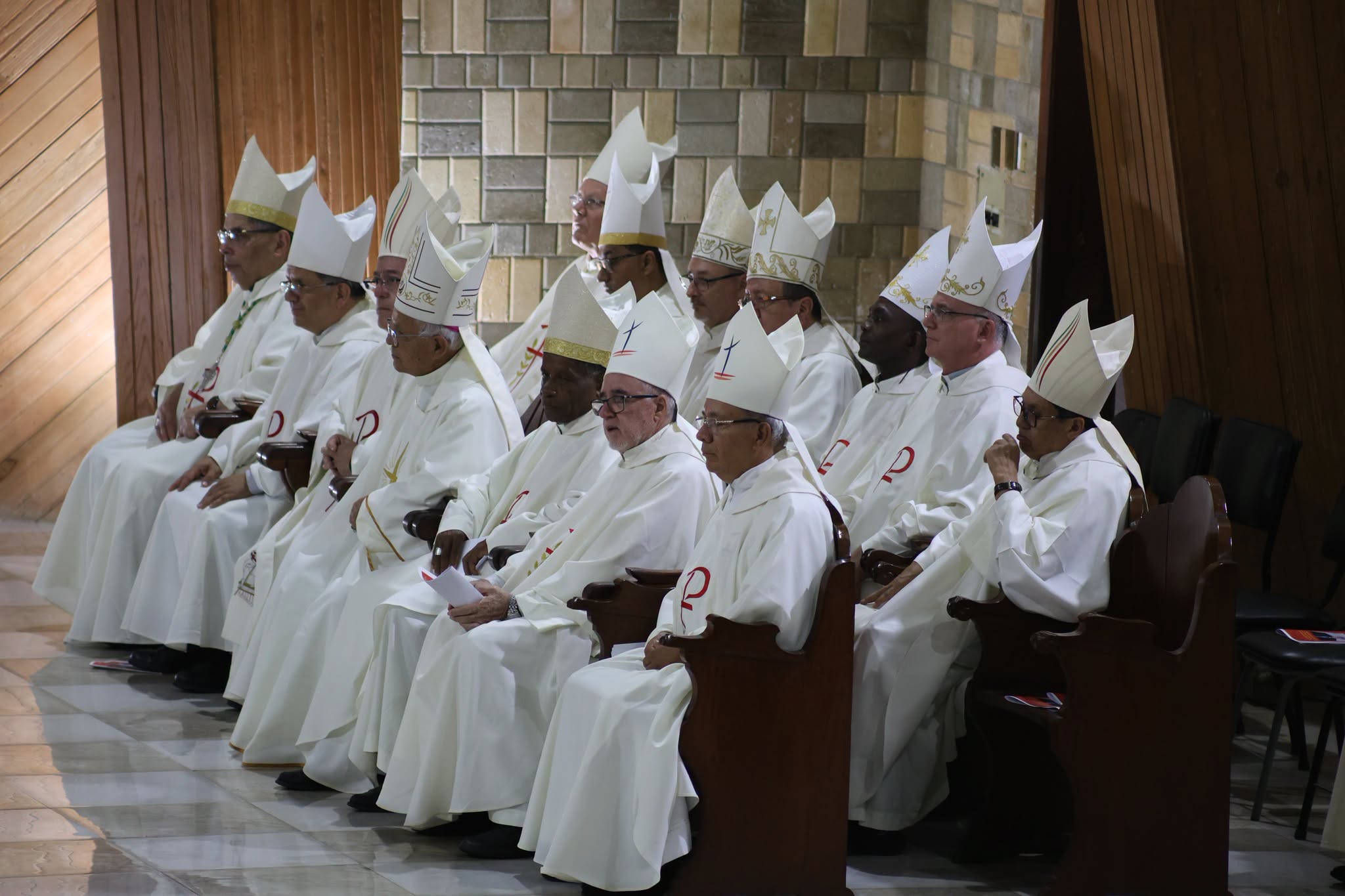
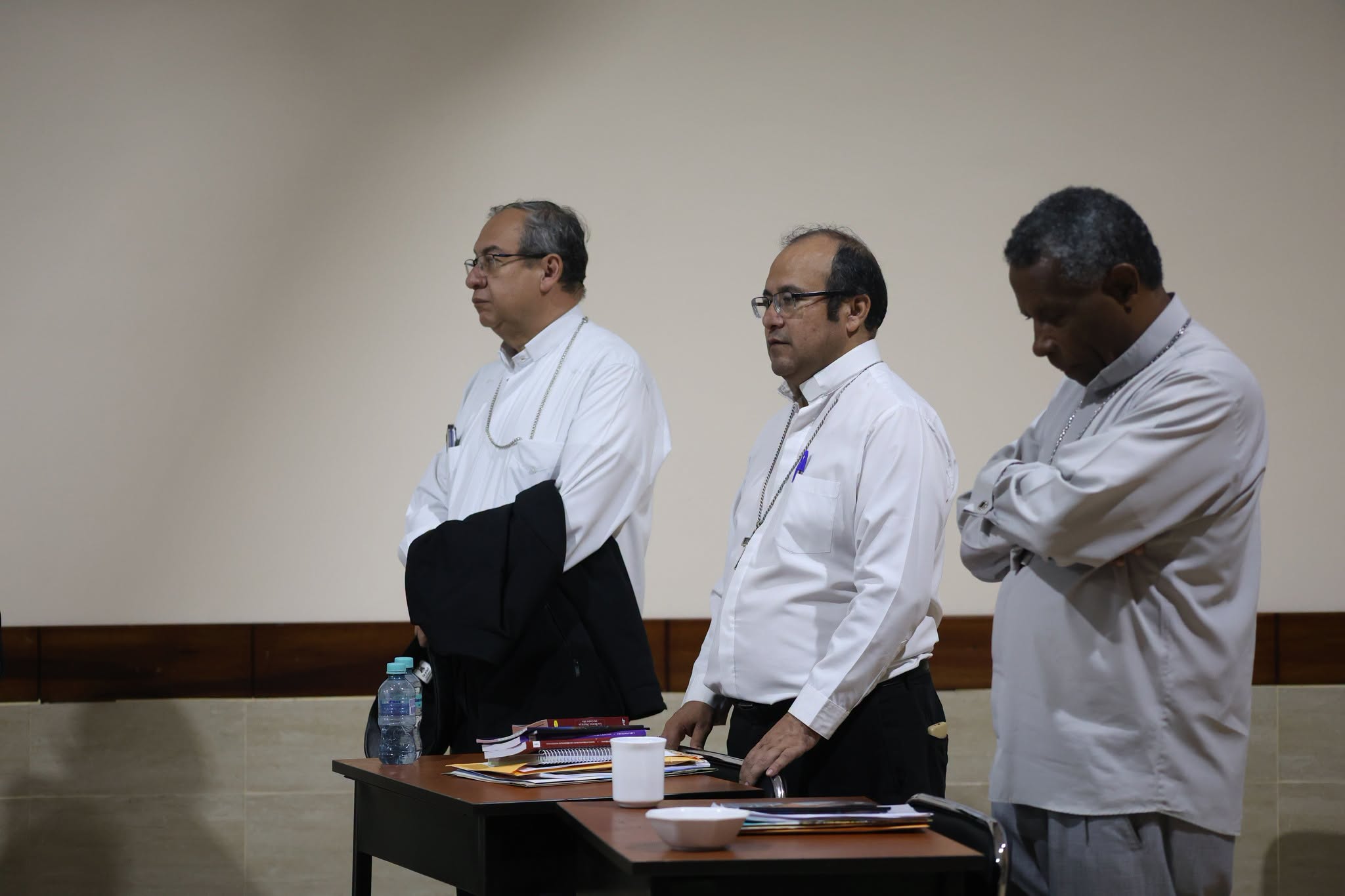
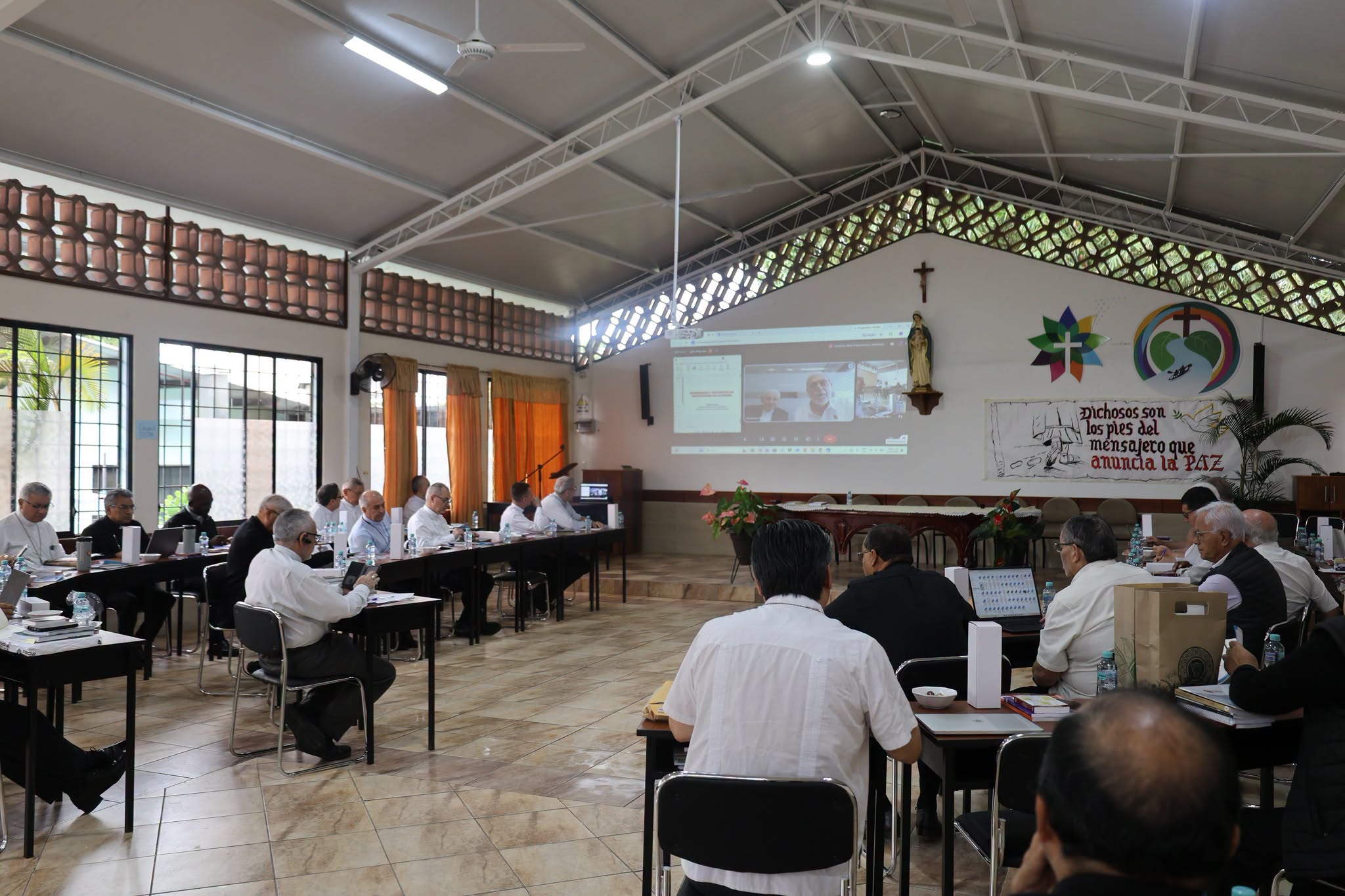
The 160th Plenary Assembly of the Ecuadorian Bishops’ Conference was held in Puyo, within the territory of the Apostolic Vicariate of Puyo, and addressed preparedness for climate emergencies, the strengthening of parish Caritas organizations, and the challenges of prison ministry, among other priority issues for the Church’s evangelizing mission.
The bishops of Ecuador concluded the 160th Plenary Assembly of the Ecuadorian Bishops’ Conference, a forum for gathering, prayer, and discernment that provided an opportunity to analyze the country’s main social, environmental, and pastoral challenges. The assembly took place in Puyo, in the Ecuadorian Amazon, and placed special emphasis on the need to strengthen the Church’s response to situations of vulnerability affecting numerous communities.
The gathering began with welcoming remarks by Cardinal Luis Cabrera, OFM, president of the Ecuadorian Episcopal Conference (CEE), and by Monsignor Dagoberto Campos Salas, Apostolic Nuncio to Ecuador. The sessions included times of spiritual retreat, pastoral reflection, and coordination regarding the priorities of the Church’s mission.
Among the main issues addressed were the management of Social Ministry-Caritas, preparation for the possible effects of the El Niño phenomenon, the challenges of prison ministry, and various aspects related to parish administration. The bishops also reflected on social security for priests, the reality of priests with children, and the introduction of new catechisms.
Strengthening the Church’s Response to Climate Emergencies
Preparation for the effects of the El Niño phenomenon was one of the assembly’s key topics. Floods, droughts, and other climate phenomena pose challenges for Ecuadorian communities, especially those living in conditions of greater vulnerability.
Bishop Adalberto Jiménez, OFM Cap., of the Apostolic Vicariate of Aguarico, warned of the social consequences of these situations, which exacerbate poverty and suffering among many families.
Given this situation, he emphasized the importance of the entire ecclesial community—priests, religious sisters, religious brothers, and laypeople—working together to address the needs of the population.
For his part, Bishop Antonio Crameri, SSC, of Esmeraldas, highlighted the progress made in organizing and strengthening parish Caritas organizations, which are considered essential for improving the Church’s capacity to respond to emergencies.
During the deliberations, the bishops analyzed forecasts related to the El Niño phenomenon and the need to prepare communities to face its possible consequences. Coordinating the structures of Social Ministry and Caritas is a priority for supporting populations exposed to floods, droughts, and other high-risk situations.
This reflection takes on special importance in the Amazon, where environmental changes affect the territories, livelihoods, and well-being of numerous communities.
Prison Ministry: Accompanying the Most Vulnerable
Another topic addressed was the reality of prison ministry and the difficulties faced by volunteers who accompany people deprived of their liberty.
Monsignor Antonio Crameri highlighted the challenges of this pastoral work, which is often carried out under complex conditions and receives little recognition.
The assembly provided an opportunity to reflect on the need to strengthen this ecclesial presence and to give greater attention to those living in contexts of incarceration, reaffirming the Church’s commitment to human dignity and to supporting people in vulnerable situations.
Communion and Discernment to Strengthen the Evangelizing Mission
In addition to social and environmental issues, the bishops addressed matters related to the financial management of ecclesiastical institutions, parish records, marriage files, and preparations for the upcoming ad limina visit to the Vatican.
The sessions also provided an opportunity to reflect on the challenges of priestly life and to present new resources for catechetical formation, with the aim of continuing to strengthen the pastoral life of the communities.
The holding of this assembly in Puyo, in the heart of the Ecuadorian Amazon, offers an opportunity to place the realities of the Amazonian territories and the challenges faced by their inhabitants at the center of ecclesial reflection.
From the perspective of a synodal, missionary Church committed to caring for our Common Home, these gatherings help formulate pastoral responses to social and environmental crises, promoting solidarity, shared responsibility, and support for those most in need.
With the conclusion of the CLX Plenary Assembly, the Ecuadorian Episcopate renews its commitment to walk alongside the People of God, strengthening the mission of evangelization and seeking concrete responses to the challenges affecting Ecuador’s communities.