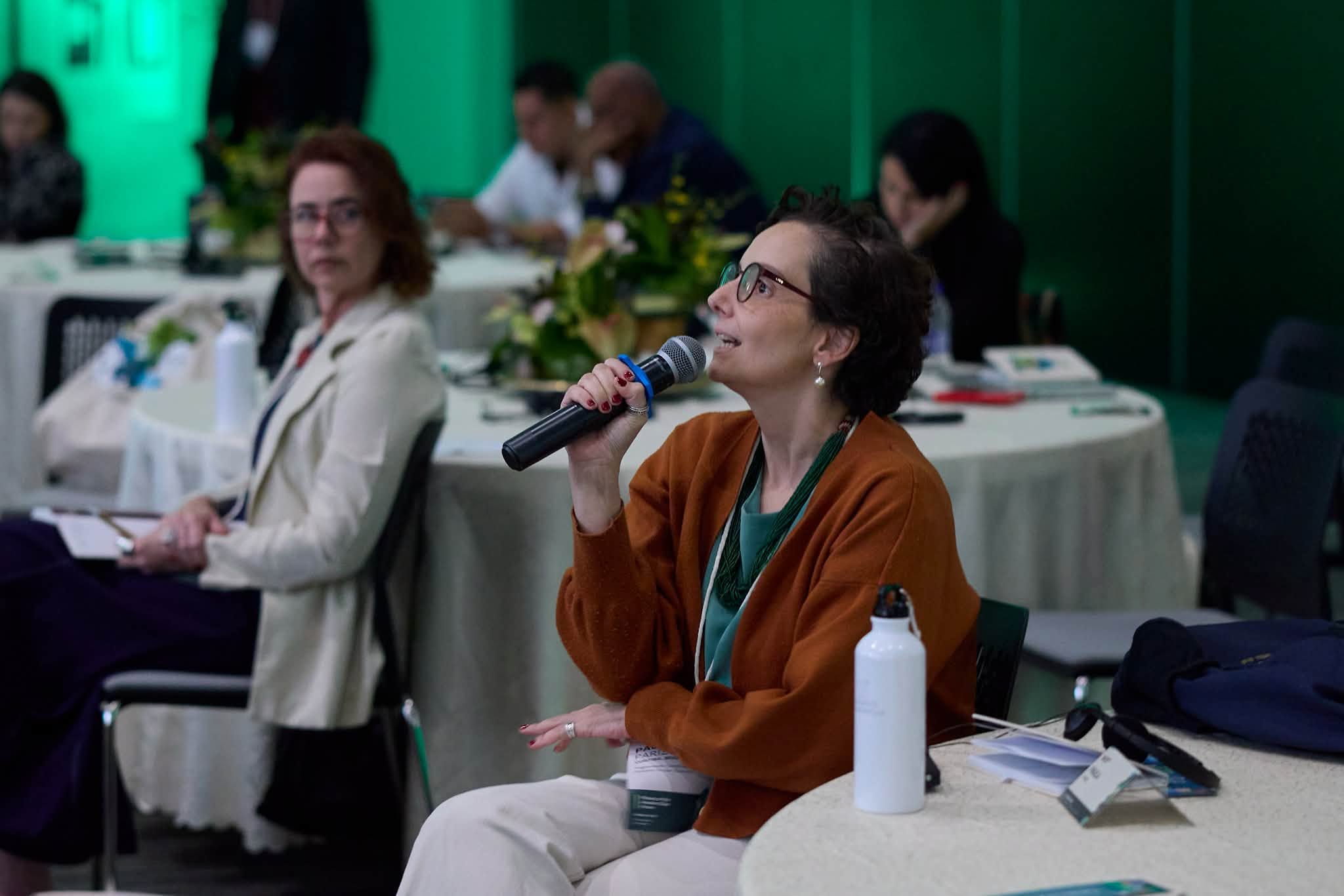
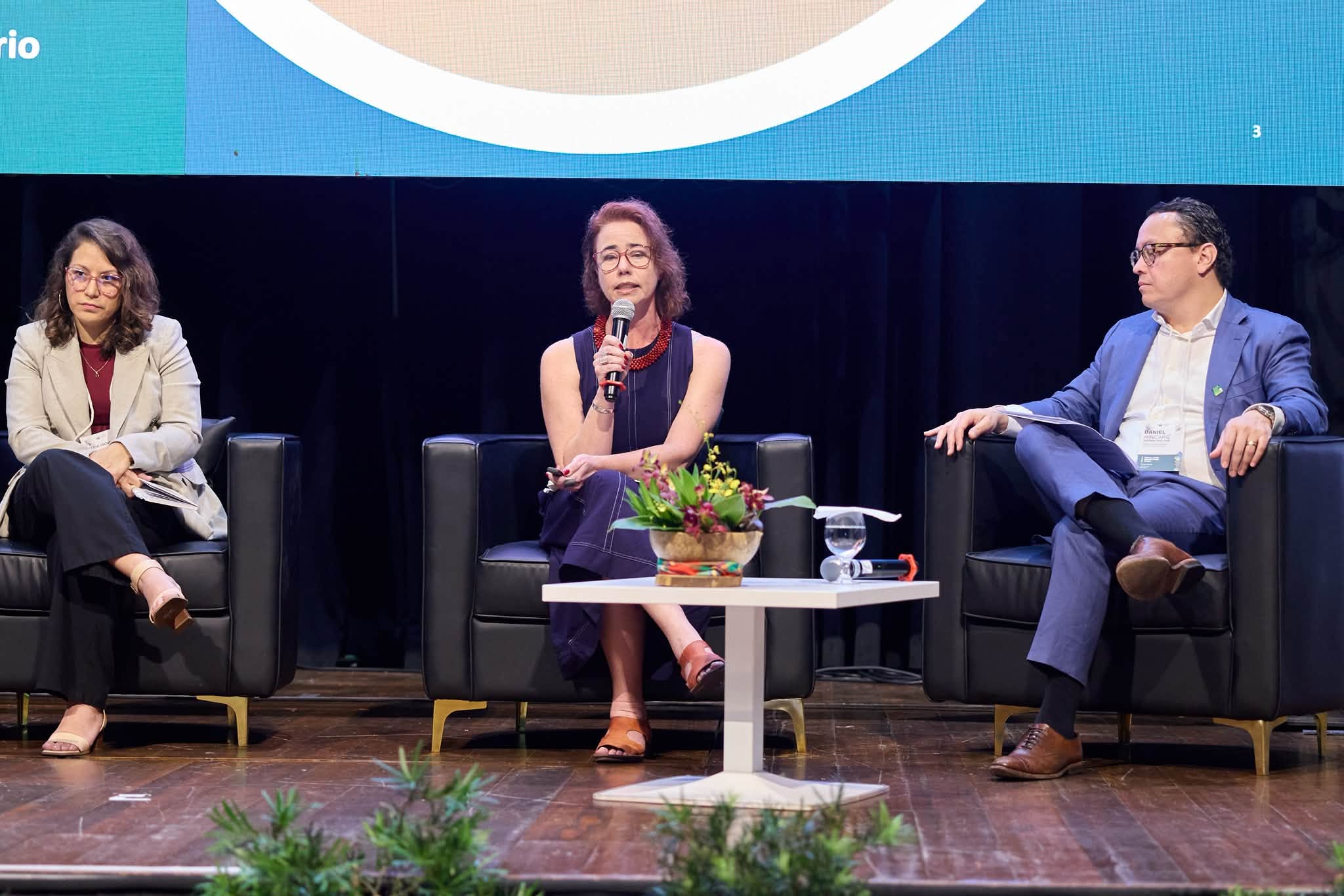
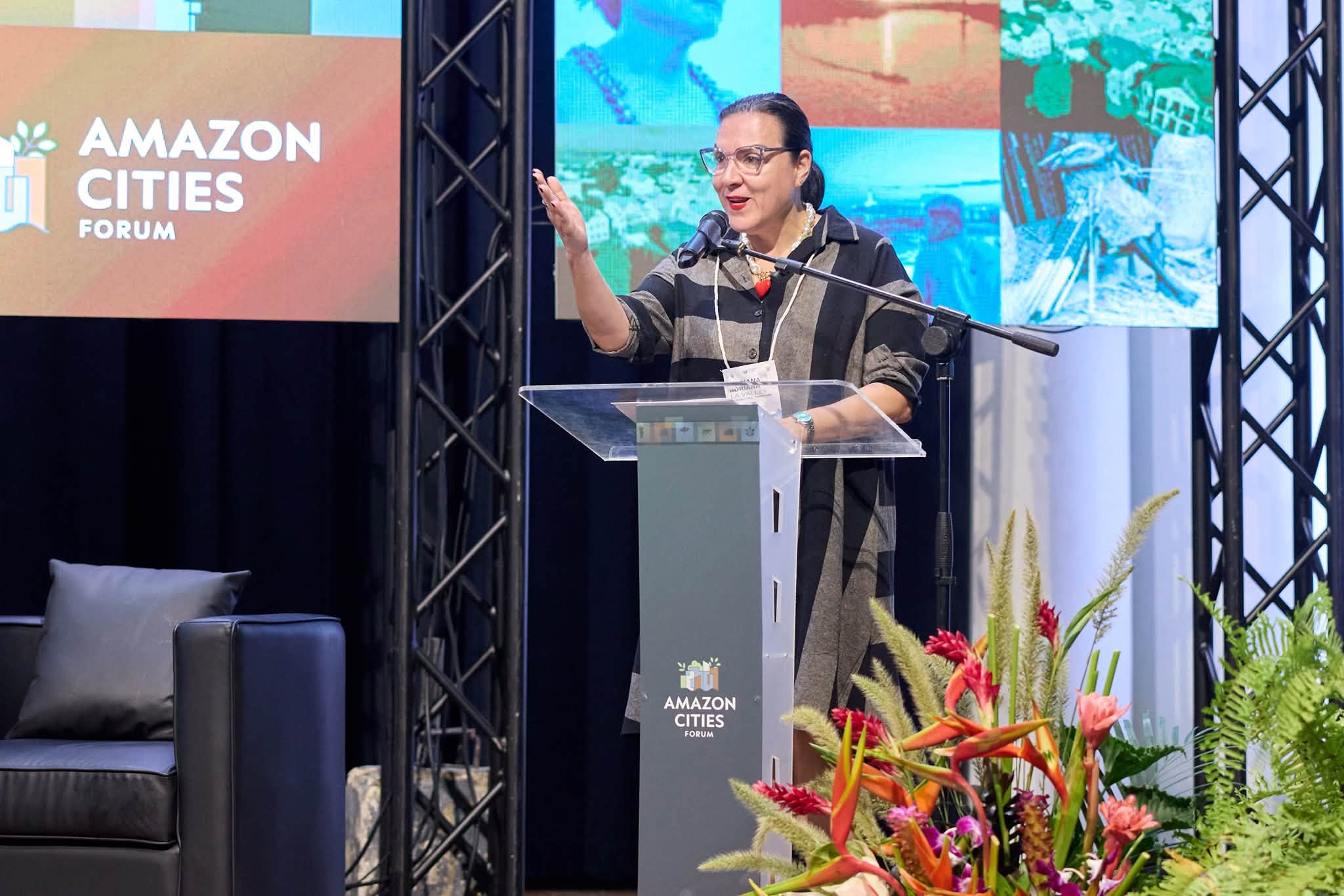
The plenary session of the Amazonian Cities Forum, held on October 28 and 29 in Paramaribo, Suriname, brought together representatives of local governments from ACTO member countries to strengthen a common urban agenda that contributes to the protection of the Amazon and the well-being of its inhabitants.
The Amazon is also shaped by its cities. Nearly 70% of the region’s approximately 59 million inhabitants live in urban areas—a reality that poses significant challenges while also opening new opportunities to move toward a development model that harmonizes urban life with the protection of ecosystems, biodiversity, and the rights of Amazonian peoples.
In this context, mayors and representatives of local governments from the member countries of the Amazon Cooperation Treaty Organization (OTCA) met on October 28 and 29, 2026, in Paramaribo, Suriname, during the plenary session of the Amazon Cities Forum (FCA). The meeting provided an opportunity to share experiences, identify common challenges, and develop proposals to strengthen regional cooperation on sustainable and resilient urban development.
One of the main outcomes of this plenary session was the adoption of the Paramaribo Declaration, through which local governments reaffirmed their commitment to advancing a shared Amazonian urban agenda, recognizing cities as strategic actors in regional governance, biodiversity protection, and the development of responses to the climate crisis.
Six Priorities for the Future of Amazonian Cities
The Paramaribo Declaration establishes six lines of action to move toward cities that are more sustainable, inclusive, and prepared to face the region’s environmental and social challenges:
1. Recognize the strategic role of local governments and Amazonian peoples in regional governance, ensuring their participation in the development of public policies and decisions that affect their territories.
2. Strengthen local capacities to plan, design, and implement urban development projects adapted to Amazonian realities.
3. Prioritize solutions for urban resilience, especially in the face of droughts, floods, wildfires, and other effects of climate change.
4. Expand access to financing so that Amazonian cities can develop sustainable infrastructure and meet the needs of their populations.
5. Foster regional cooperation and learning among cities, promoting the exchange of experiences, knowledge, and solutions.
6. Consolidate a long-term Amazonian urban agenda, aligned with existing regional processes and cooperation initiatives.
The declaration also highlights the importance of listening to and recognizing the voices of Indigenous peoples and traditional communities, as well as ensuring the participation of women and youth in territorial planning and governance processes.
Urban Challenges Requiring Joint Responses
During the working sessions, it became clear that Amazonian cities face shared challenges, including access to safe drinking water and sanitation, solid waste management, the expansion of informal settlements, river pollution, connectivity issues, and the impacts of extreme weather events.
Participants also highlighted the need to strengthen municipalities’ financing mechanisms and technical capacities, taking into account the Amazon region’s unique geographical, environmental, and sociocultural characteristics.
The exchange among representatives from cities in Bolivia, Brazil, Colombia, Guyana, Peru, and Suriname underscored that cooperation among local governments is essential for sharing lessons learned and developing solutions tailored to the realities of each territory.
“This is an effort we must all undertake together: national, regional, and local governments, along with our people. If we unite to care for and protect our Amazon, we will be able to live better,” said Mauricio Barba Iriarte, mayor of Trinidad, Bolivia.
For her part, Paola Bances, mayor of Maynas, Peru, and vice president of the Amazon Cities Forum, emphasized that this forum helps strengthen the capacities of local governments, share experiences, and ensure that the voice of Amazonian cities is heard around the world.
An Amazon That Is Also Protected by Its Cities
The Amazon Cities Forum is an initiative supported by the Inter-American Development Bank (IDB) through the “Amazonía Siempre” program, which coordinates local governments across the eight member countries of ACTO and promotes spaces for dialogue, cooperation, and knowledge exchange.
For the Church in the Amazon, these processes represent an opportunity to continue accompanying urban and territorial realities, promoting a holistic vision of caring for our Common Home, in which human dignity, socio-environmental justice, and the protection of peoples and ecosystems are at the center of decision-making.
The Paramaribo Declaration is a call to strengthen coordination among the different levels of government and social actors to build cities that do not grow at the expense of nature, but rather in harmony with it.
Caring for the Amazon also means caring for its cities, its communities, and the people who live there. The region’s future depends on our ability to build territories that are more just, resilient, inclusive, and committed to life.