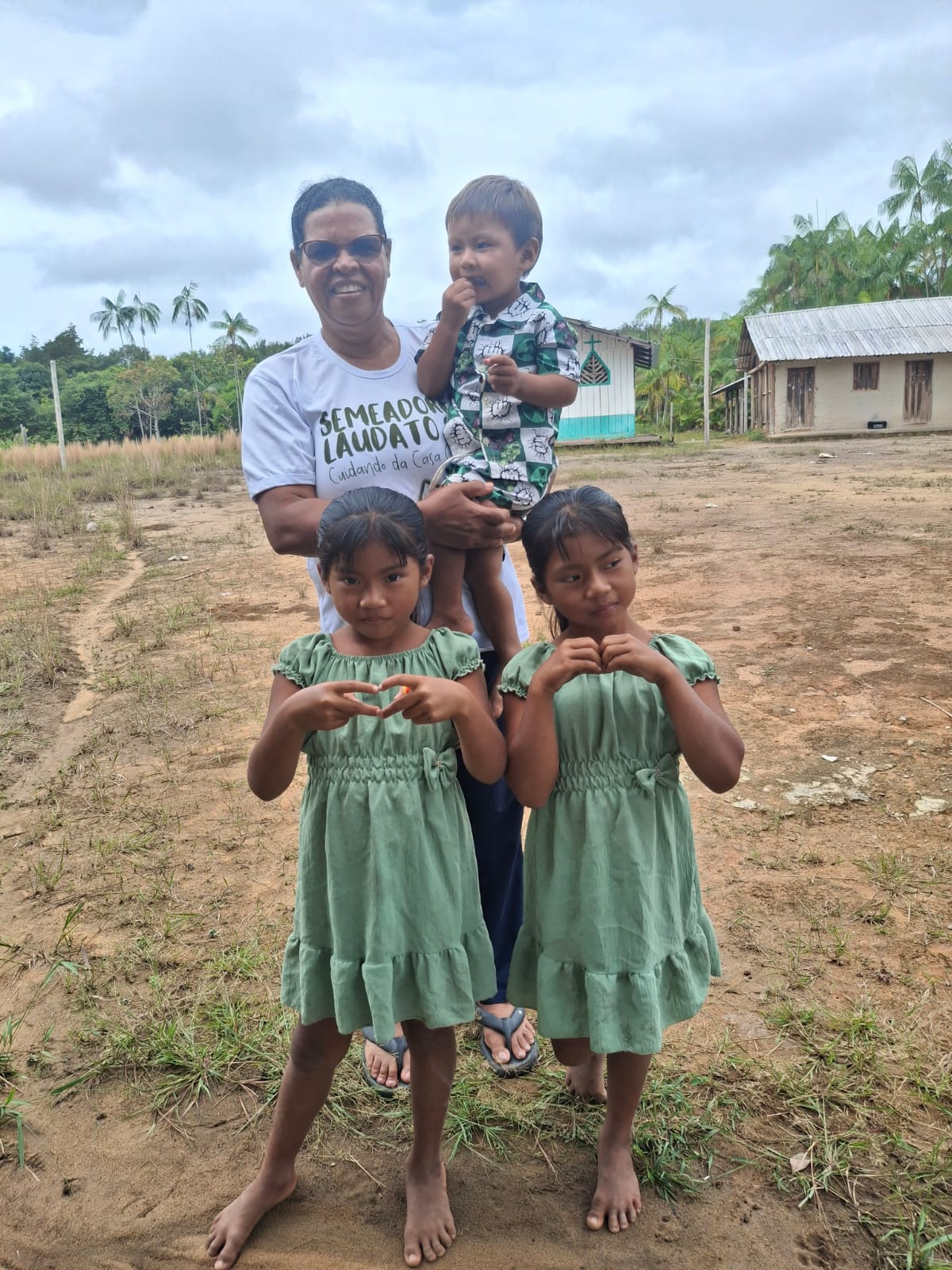
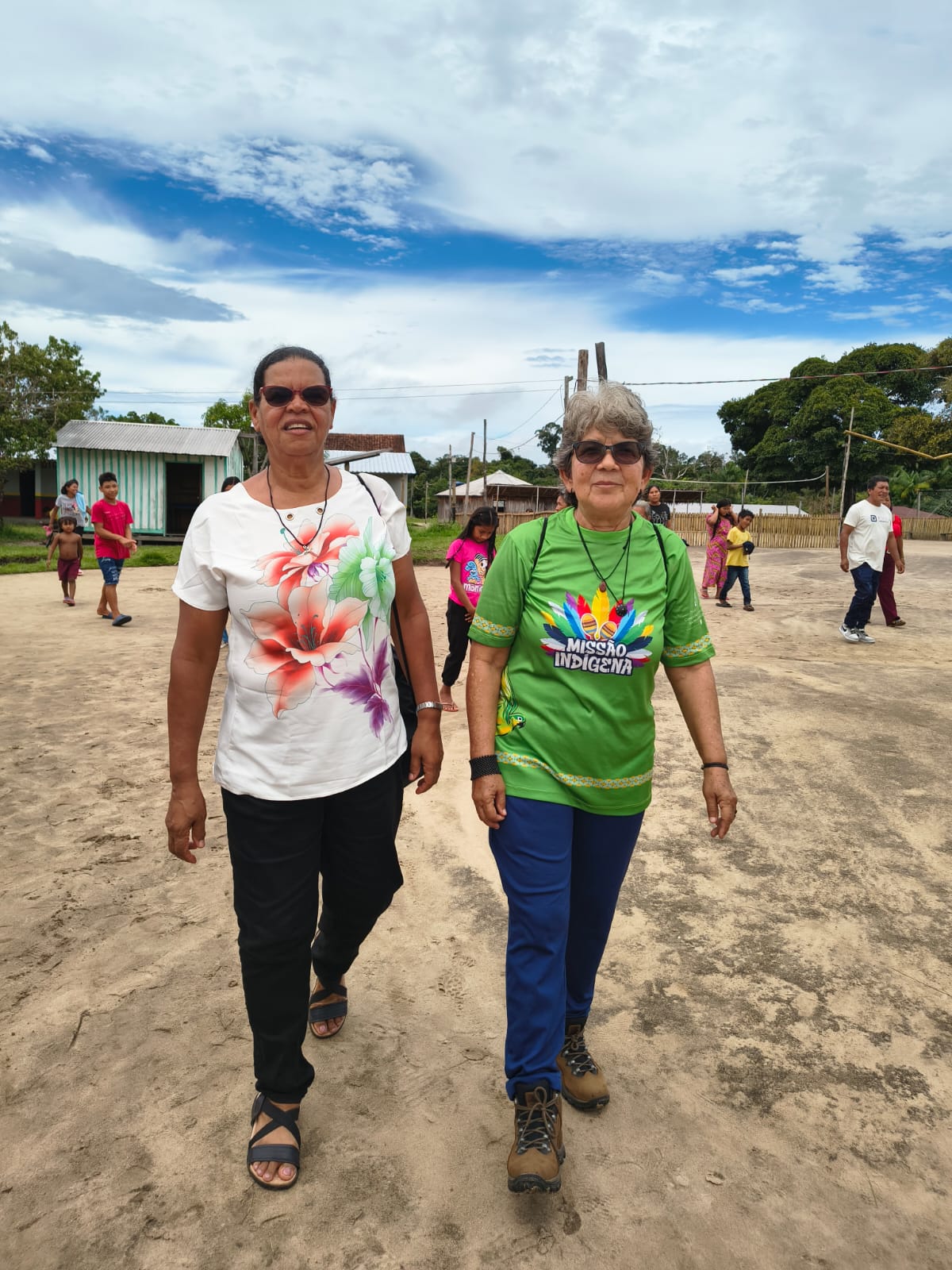
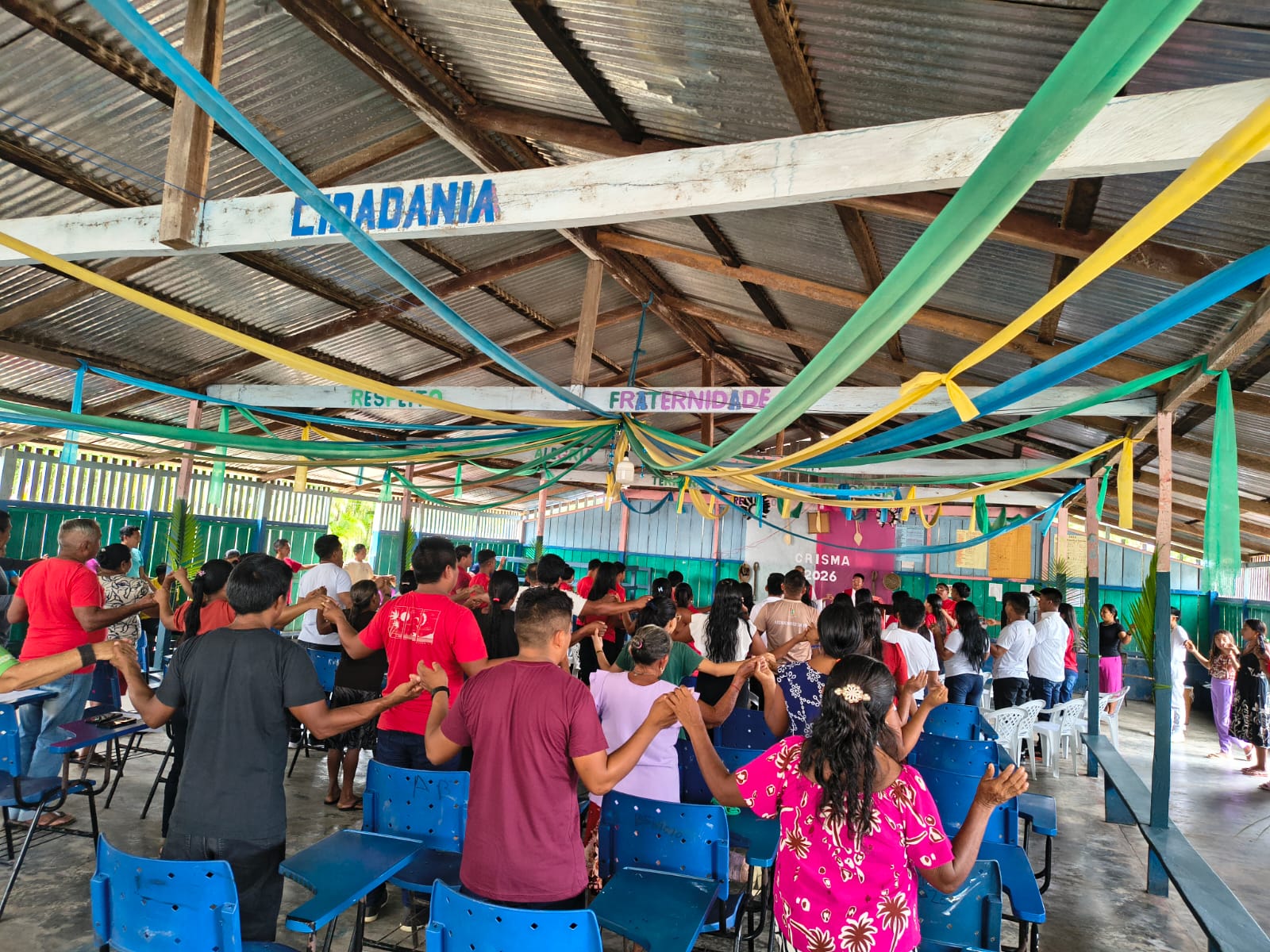
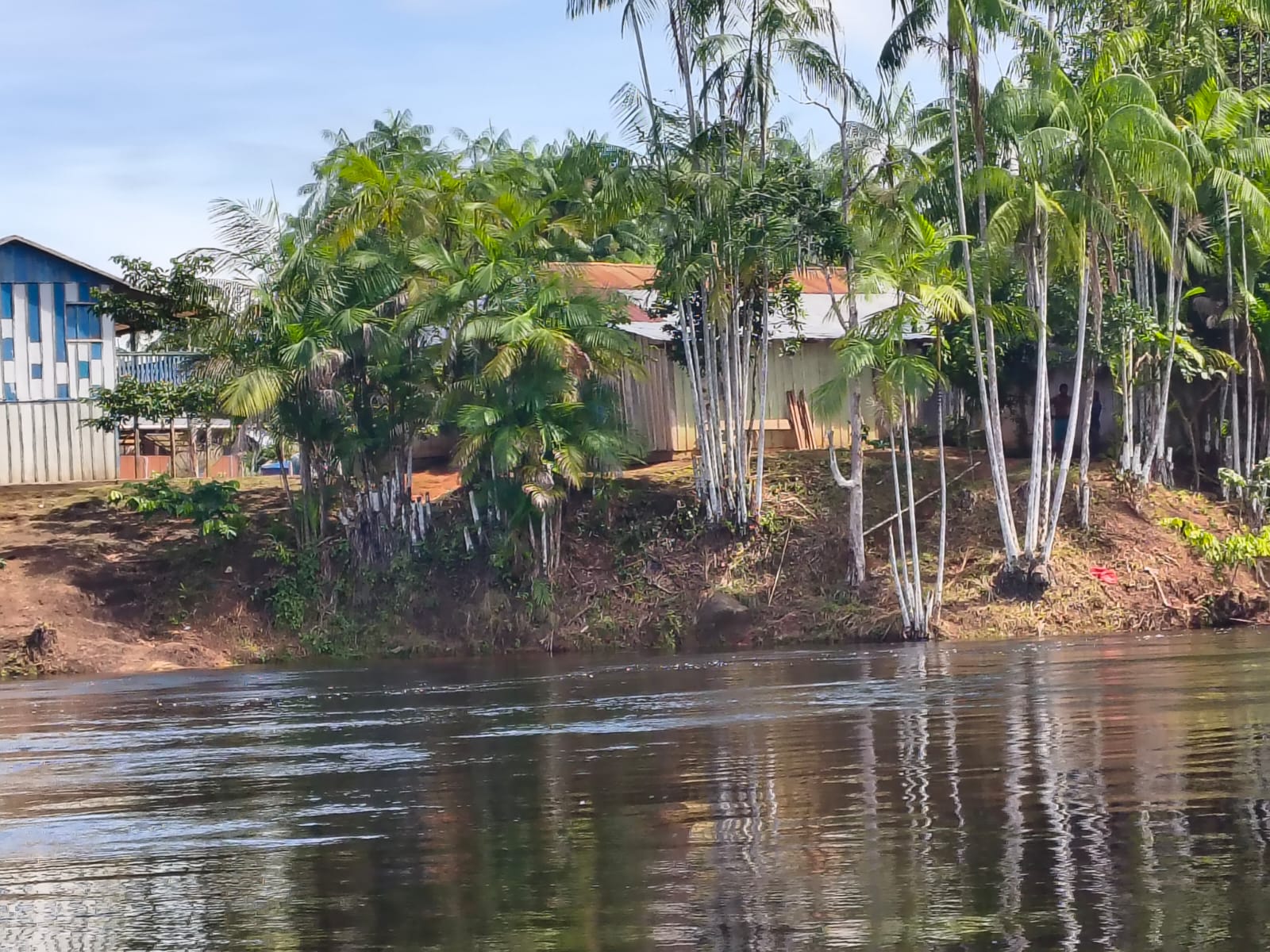
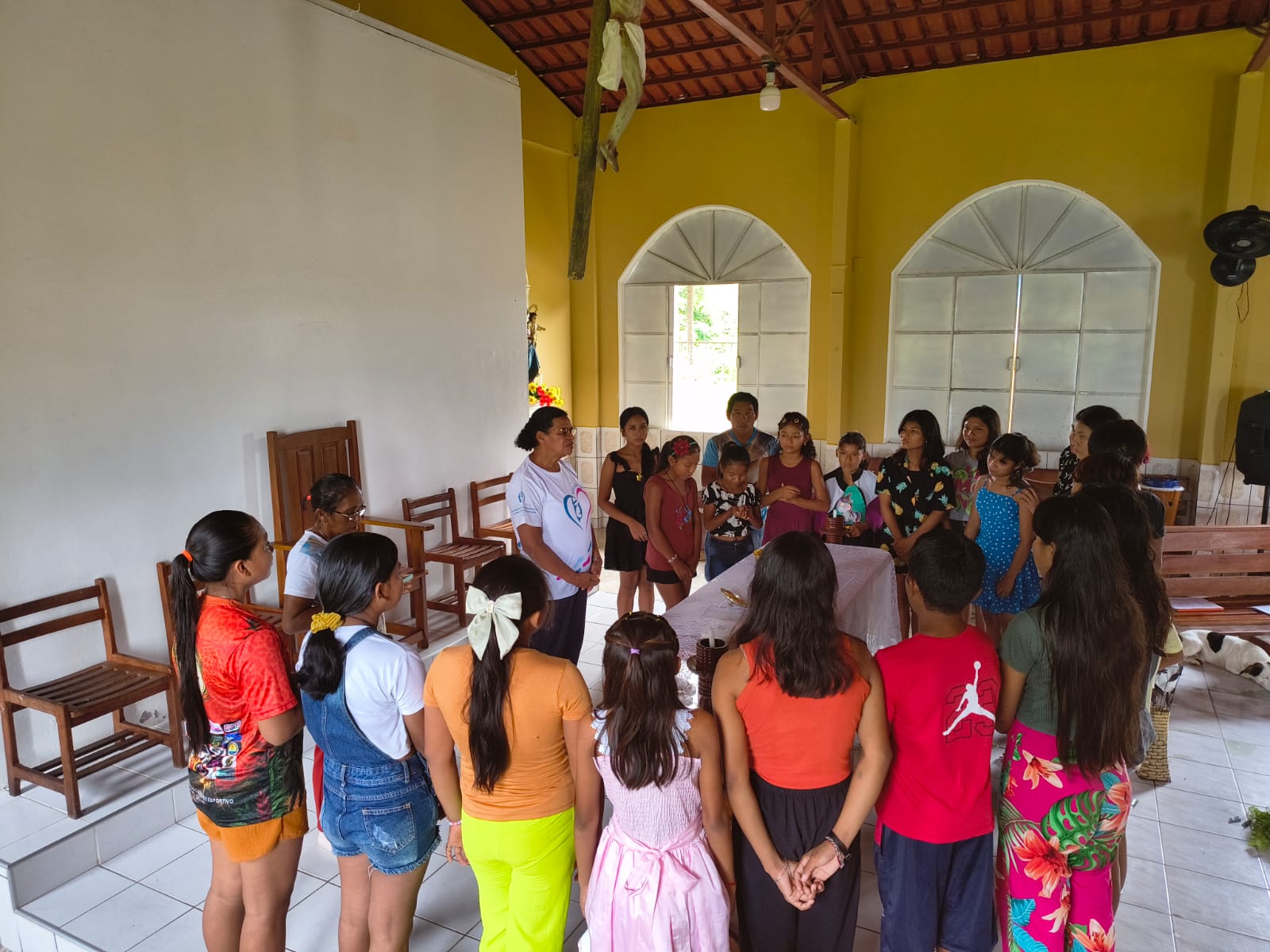
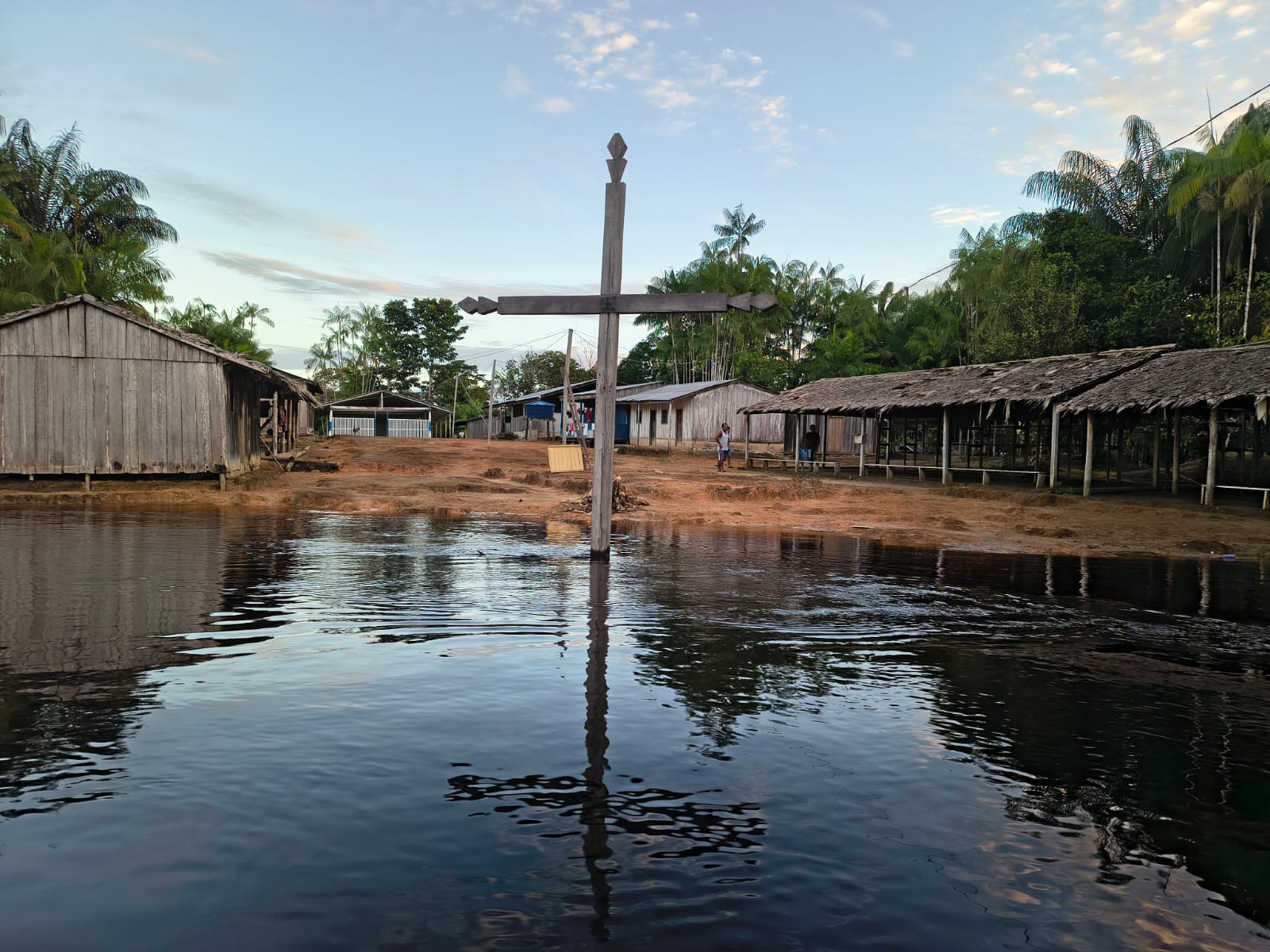
From the “María de las Aguas” community in Cucuí, Amazonas State (Brazil), three religious sisters from the Congregation of the Little Sisters of the Immaculate Conception are resuming their missionary presence in the Amazon region, committed to listening to and accompanying the communities, as well as defending life and their territories.
The Amazon continues to be a place of encounter, mission, and renewal for religious life. In response to the cries of the peoples and the social, cultural, and ecological challenges of the region, the Congregation of the Little Sisters of the Immaculate Conception (CIIC) has resumed its missionary presence in the state of Amazonas, Brazil, by sending three religious sisters to the “María de las Aguas” community, located in Cucuí, at the tri-border region between Brazil, Venezuela, and Colombia.
This decision represents a renewal of the charism of Saint Paulina, the Congregation’s founder, and the continuation of a historic commitment to indigenous peoples. The Little Sisters have nearly a century of missionary experience working alongside indigenous communities in Mato Grosso and have maintained a presence in other Brazilian states and countries where they carry out their mission.
The return to the Amazon also responds to the desire to resume their mission following the closure of the Manaus community in 2014. Faced with the isolation, vulnerability, and social and ecological injustices affecting numerous Amazonian peoples, the Congregation has discerned the need to be a Samaritan presence—close at hand and in solidarity.
A mission illuminated by the Gospel and the charism of Saint Paulina
The missionary experience draws inspiration from Mary’s attitude during the Visitation: “Mary set out and went with haste” (Lk 1:39), an expression that embodies the readiness, willingness, and boldness to go out and meet others.
The spiritual testament of Saint Paulina also resonates: “Never, ever lose heart, even when headwinds blow. Trust in God and in the Blessed Virgin Mary.”
From this spirituality, the religious sisters understand their mission as a constant exercise in “Serving You,” which invites them to recognize their neighbor, draw close to their reality, and care for life. This perspective was also the focus of the Congregation’s Fifth International Seminar, held in 2024, under the theme “The Samaritan Face of the Congregation: Who Is My Neighbor?”, inspired by the parable of the Good Samaritan: “He saw him, had compassion on him, and cared for him” (Lk 10:33–34).
For the Little Sisters, returning to the Amazon means renewing a historic commitment and becoming a sign of hope, listening, care, and defense of life alongside the peoples of the region. It also means embarking on a profound process of inculturation, sharing in the daily lives of the communities and proclaiming the Gospel from the geographical and existential peripheries.
Learning from the Peoples and Allowing Ourselves to Be Transformed by the Amazon
The missionary presence is understood not only as an opportunity to accompany and serve, but also as an experience of learning and transformation. The religious sisters recognize in the indigenous peoples, peasants, and riverine communities a source of ancestral wisdom, respect for creation, communal resilience, and the capacity to resist the threats affecting their territories.
Their daily life together allows them to discover evangelical simplicity, the interdependence of all beings, and the deep connection between human life and nature—in harmony with Pope Francis’s vision of integral ecology in *Laudato Si’*.
In this sense, they believe that the Amazon also transforms the Congregation’s spirituality, inviting it to let go of rigid structures and absolute certainties in order to return to what is essential: the radical following of Jesus Christ and the prophetic commitment to the defense of life.
This experience also seeks to rekindle the missionary dynamism that inspired Saint Paulina and to strengthen the commitment to Indigenous peoples, recognized as one of the priorities at the Congregation’s most recent General Chapter.
Walking alongside communities in the defense of their territories
The accompaniment of communities is carried out through an incarnate and supportive ecclesial presence, walking alongside the Amazonian peoples and coordinating efforts with various ecclesial and social organizations.
Along this path, the Little Sisters plan to strengthen their collaborative ties with networks such as the Pan-Amazonian Ecclesial Network (REPAM), the Ecclesial Conference of the Amazon (CEAMA), the Itinerant Team, and the Indigenous Missionary Council (CIMI).
Through an agreement with the Diocese of São Gabriel da Cachoeira, the sisters will also take on the role of facilitators in formation and coordination processes, in communion with ecclesial groups—especially the parish of São Sebastião in Cucuí—as well as with popular movements, institutions, and organizations present in the district and the triple border region.
Among their priorities are strengthening local leadership, promoting integral human development, defending the territory, supporting environmental initiatives, advocating for public policies, and promoting indigenous education through inculturated and inclusive pedagogical practices.
An Invitation to Strengthen the Mission in the Amazon
For the Congregation, being a missionary in the Amazon today means being a disciple and missionary on the move, willing to learn continually from Indigenous peoples. It means living ecclesial communion, inter-congregational solidarity, and synodality in daily life, leaving behind any colonialist mindset and recognizing the cultural, spiritual, and human richness of these territories.
The religious sisters believe that this presence can also inspire new vocations and commitments to the region by bearing witness to a living Church that is close to the people and committed to human dignity and the care of creation.
Finally, they extend an invitation to religious congregations that are discerning a missionary presence in the Amazon: do not be afraid of distances, cultural differences, or your own limitations. The Amazon, they affirm, should not be understood as an empty territory or a place of deprivation that needs to be filled, but rather as a space for encounter, reunion, and the revelation of God.
“It is a timely and propitious place to strengthen inter-congregational and inter-institutional collaboration,” they state, inviting others to be moved by the evangelical boldness of those who have dedicated their lives to the mission and to reaffirm the commitment to be present at geographical, peripheral, ecological, and existential frontiers.
The experience of the Little Sisters of the Immaculate Conception reminds us that mission in the Amazon consists not only in arriving in a territory, but in learning to walk alongside its peoples, listening to their cries, and committing to the defense of life. A Church with an Amazonian face is also built upon these simple, prophetic, and supportive presences.