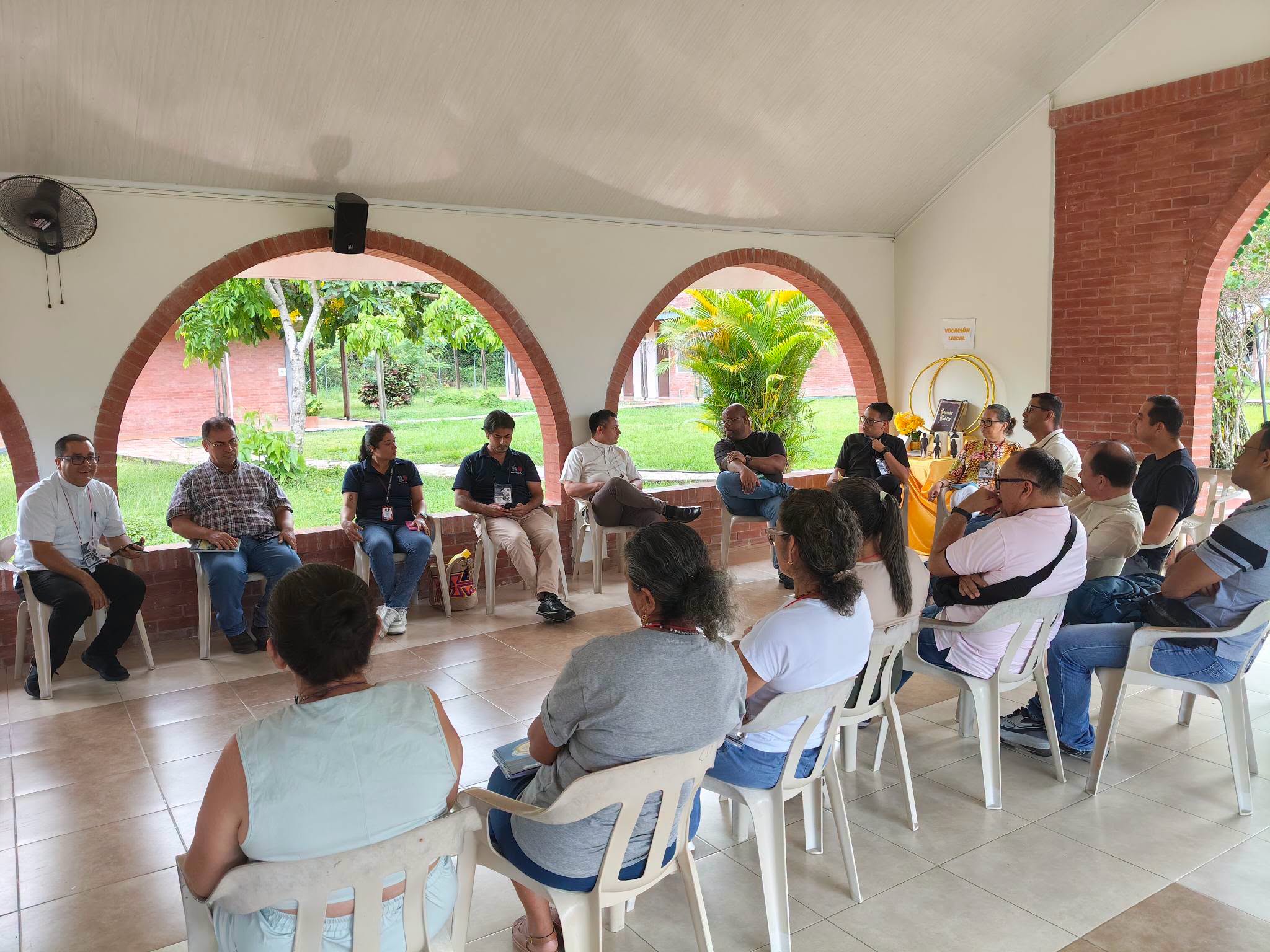
Under the theme “The Eucharist and Vocation: A Path of Communion and Mission,” the 33rd Diocesan Pastoral Assembly brought together priests, men and women religious, and pastoral workers to discern the challenges facing the local Church and establish evangelization priorities for the coming year.
The Diocese of Granada, in Colombia, held its 33rd Diocesan Pastoral Assembly from October 27 to 29, 2026—a space for encounter, formation, and communal discernment that allowed for the renewal of the parish communities’ commitment to evangelization and the planning of the pastoral journey for 2027.
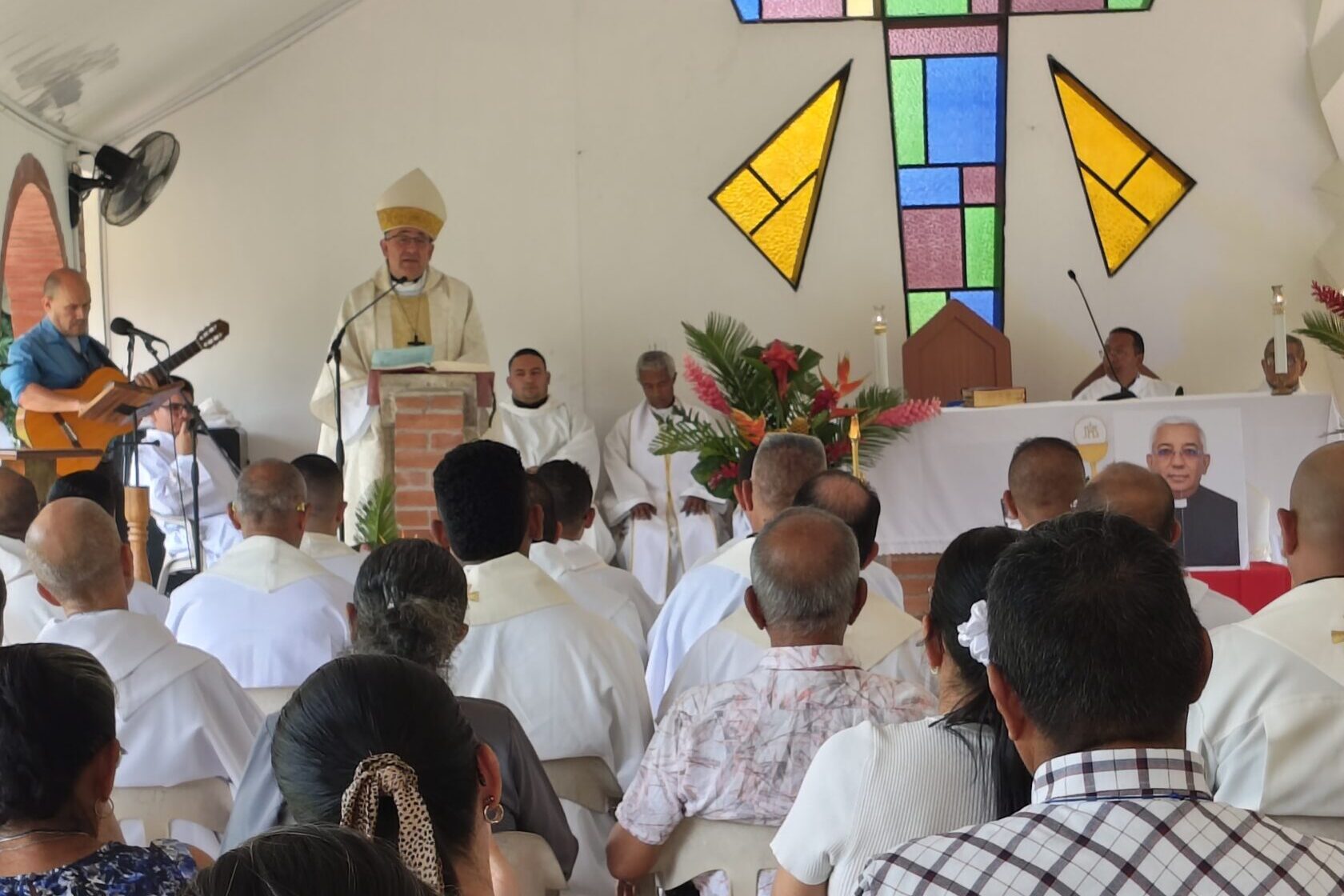
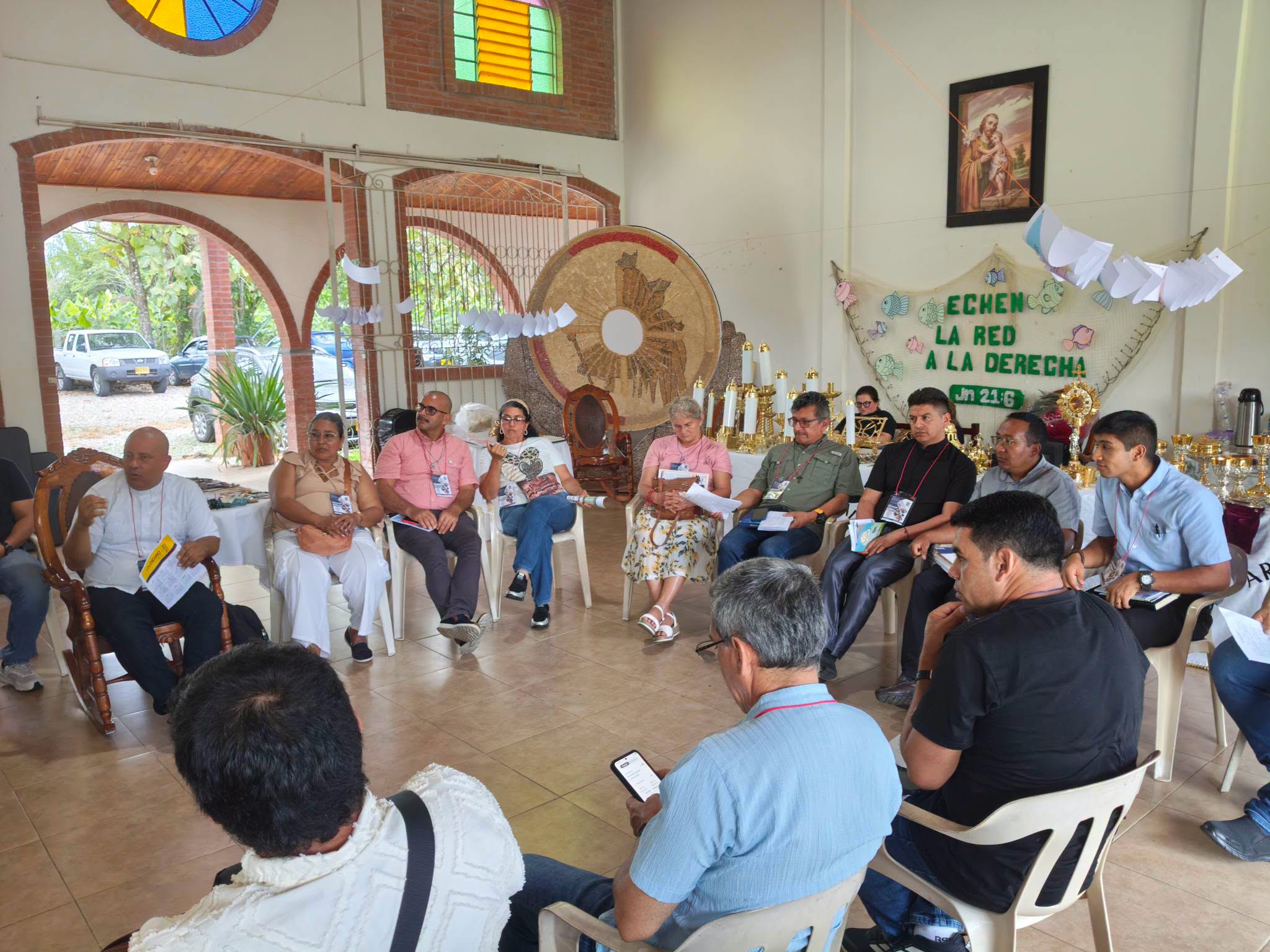
The gathering, presided over by Bishop Jorge Enrique Malpica Bejarano, the diocesan bishop, brought together priests, men and women religious, and pastoral workers from various parishes, who shared experiences and reflected on the challenges of the Church’s mission through prayer, fraternity, and shared responsibility.
Vocation and Synodality: Paths Toward a Missionary Church
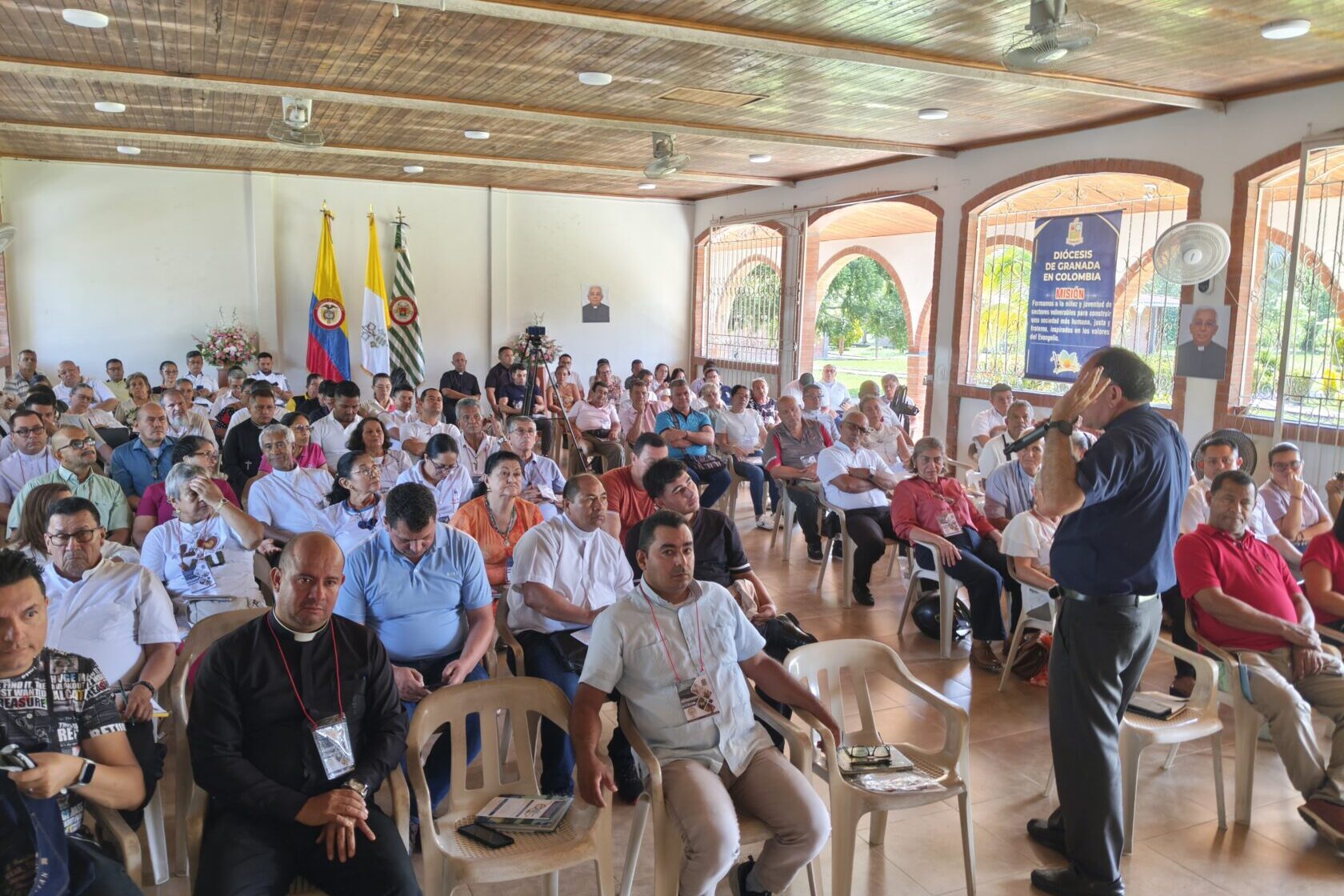
During the Assembly, participants explored the theme “Vocational and Catechetical Life in the Evangelization Process,” emphasizing the need to strengthen spiritual accompaniment, Christian formation processes, and vocational discernment for all the baptized.
In addition, a formation session was held on the participation of the laity in the Synod on Synodality, which reaffirmed the importance of listening, dialogue, and communal discernment as essential elements for building a Church that is more participatory, fraternal, and committed to proclaiming the Gospel.
These reflections highlighted that the evangelizing mission is a shared responsibility, in which every baptized person is called to place their gifts and charisms at the service of the community.
The Eucharist as a Source of Communion and Vocation
At the conclusion of the discernment process, Bishop Jorge Enrique Malpica Bejarano presented the pastoral guidelines for 2027 under the theme “The Eucharist: Light and Seed of Vocation,” inviting the communities to recognize in Jesus in the Eucharist the center of ecclesial life and the source of every vocation and mission.
Among the priorities highlighted was the strengthening of a culture of vocations in the parishes through prayer, accompaniment, and the promotion of priestly and religious vocations. As a concrete sign of this commitment, the bishop invited each parish to present, at the next Diocesan Assembly, at least one candidate for the seminary or religious life.
Currently, the diocese has four resident seminarians, two seminarians serving in parishes, and one transitional deacon—a reality that encourages continued efforts to promote prayer and accompaniment for those who feel called to serve God and their communities.
Pastoral Commitments to Strengthen Community Life
As part of the planning for 2027, the Assembly established commitments aimed at strengthening the spirituality and participation of parish communities. These include ensuring the dignity of Eucharistic celebrations, promoting adoration of the Blessed Sacrament, and constant prayer for vocations.
The importance of accompanying newly confirmed young people was also emphasized, by creating spaces for encounter, integration, and formation that foster their active participation in the life of the Church.
On the organizational front, adjustments were announced regarding the territorial distribution of some parishes and new strategies for pastoral care, with the aim of responding to the needs of the communities and addressing the challenges arising from the shortage of priests.
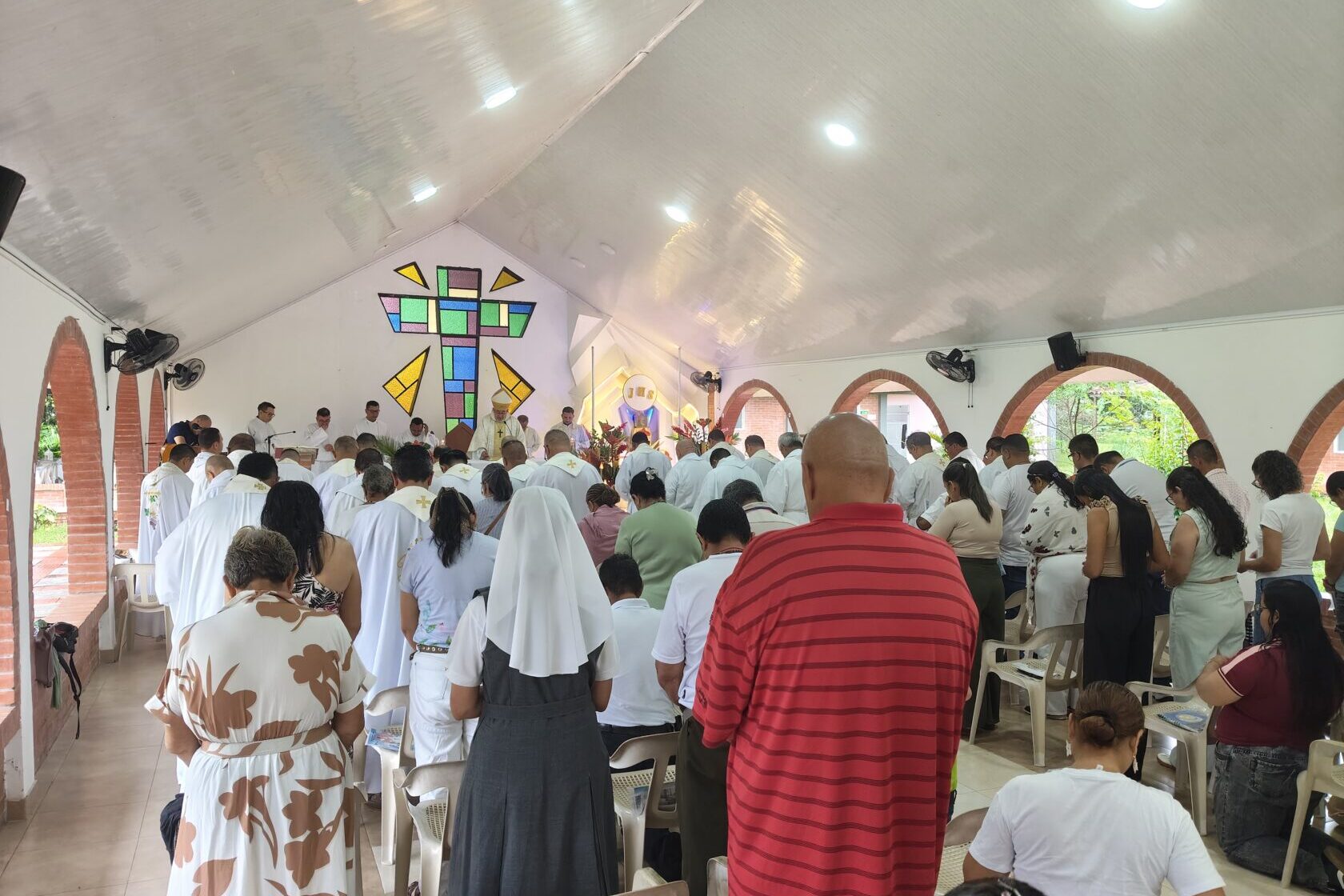
The Assembly concluded with a Holy Hour, the prayer of Lauds, and the celebration of the Eucharist—moments during which the participants entrusted the commitments they had made to God and renewed their willingness to continue walking together.
A Church that walks in communion and goes out to meet others
The 33rd Diocesan Pastoral Assembly reaffirmed the importance of building a Church in which the Eucharist nourishes communion, vocations are supported, and all the baptized participate jointly and responsibly in the mission of evangelization.
This experience expresses the commitment of Colombia’s particular Churches to strengthening a synodal, participatory, and missionary Church, called to respond to the challenges of its territories by listening to the Spirit, fostering community, and proclaiming the Gospel.