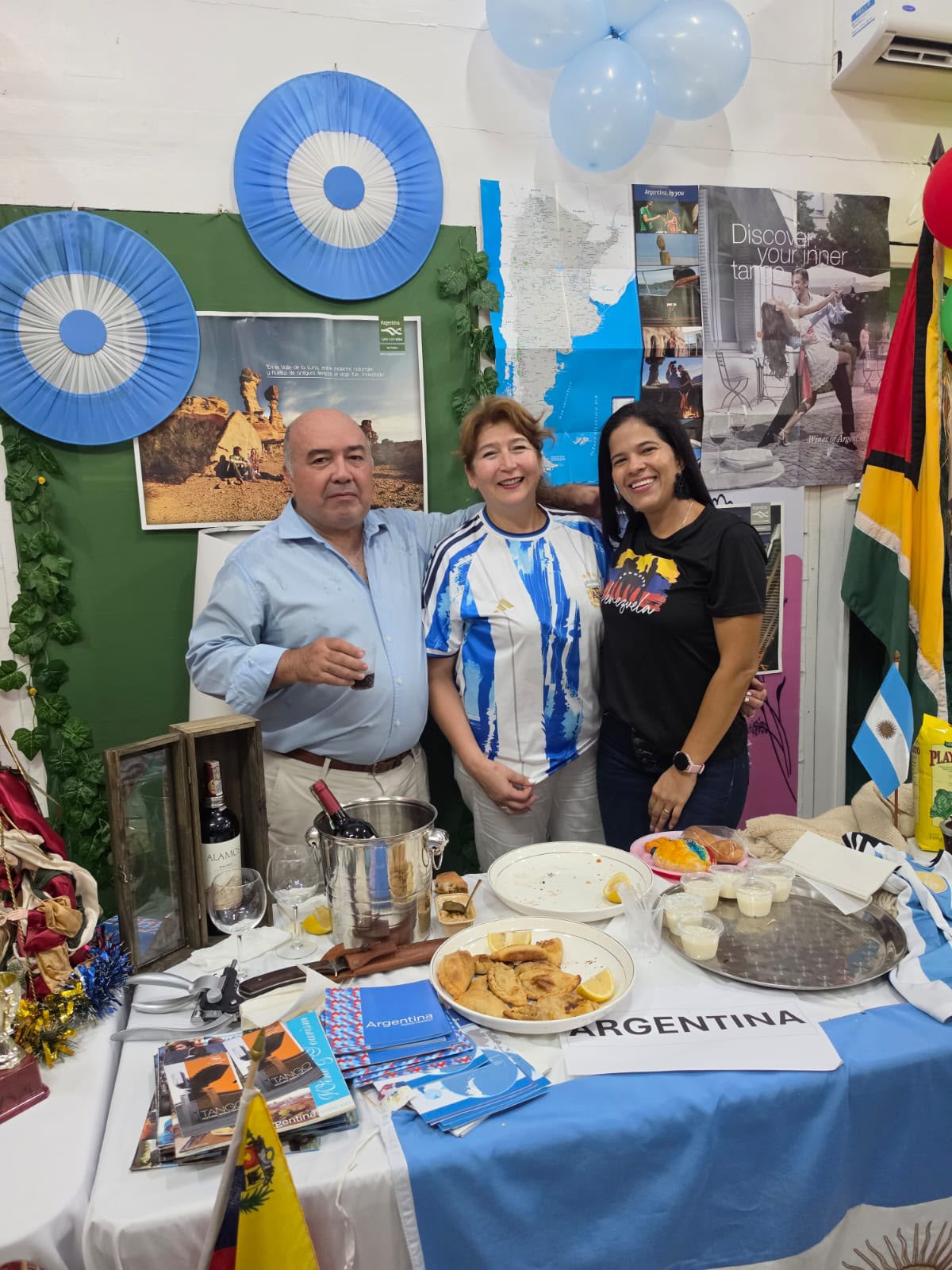
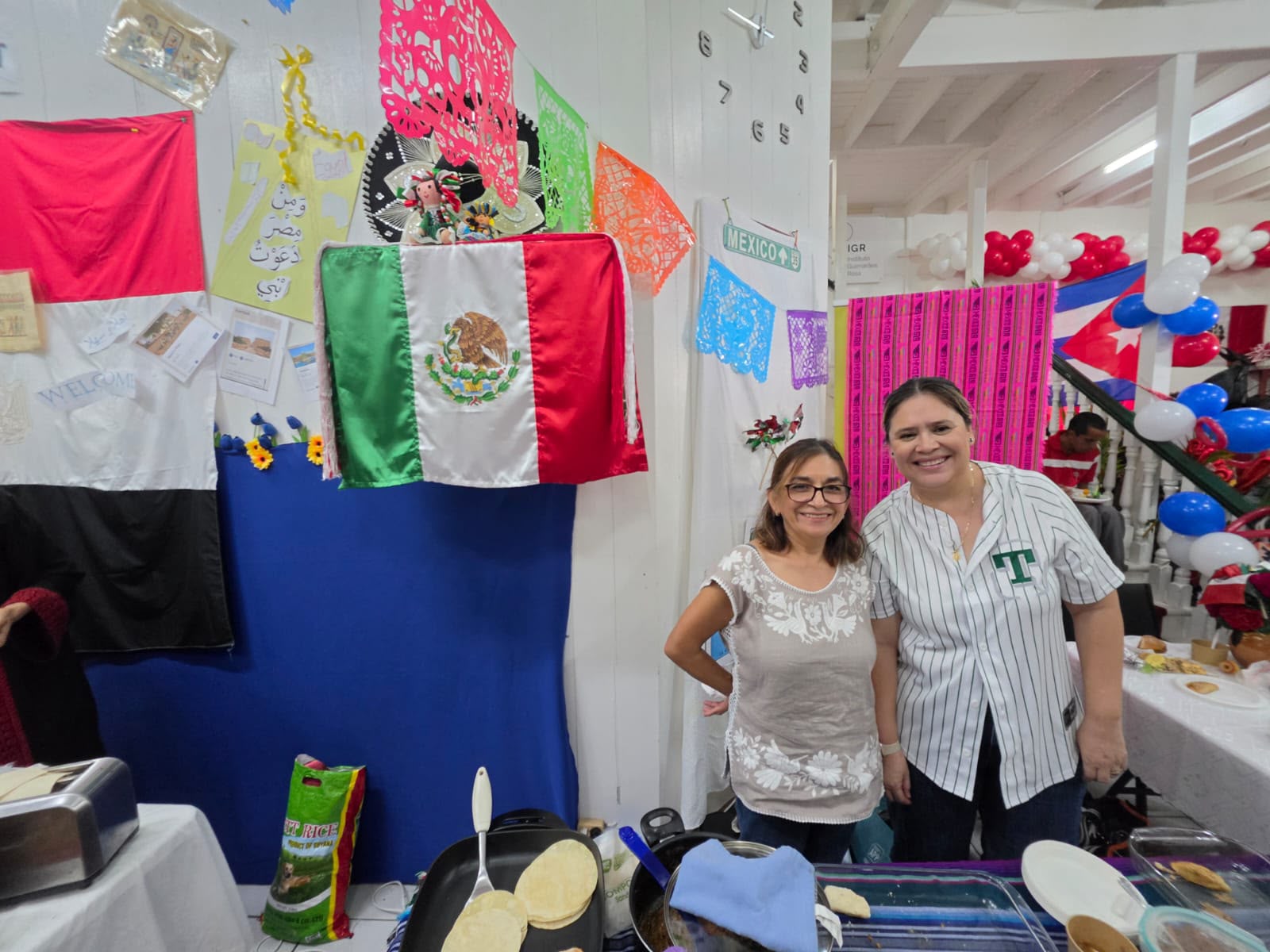
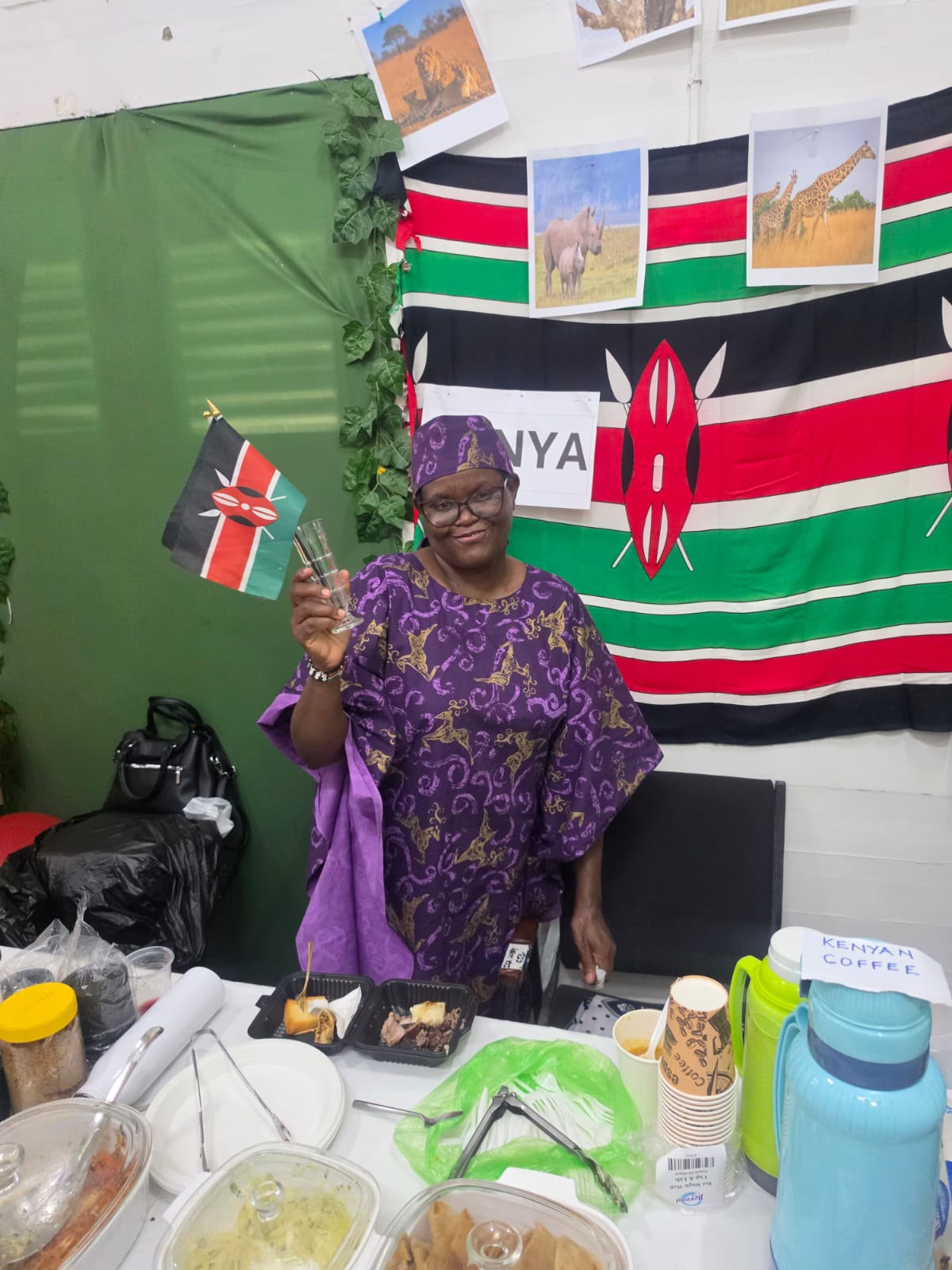
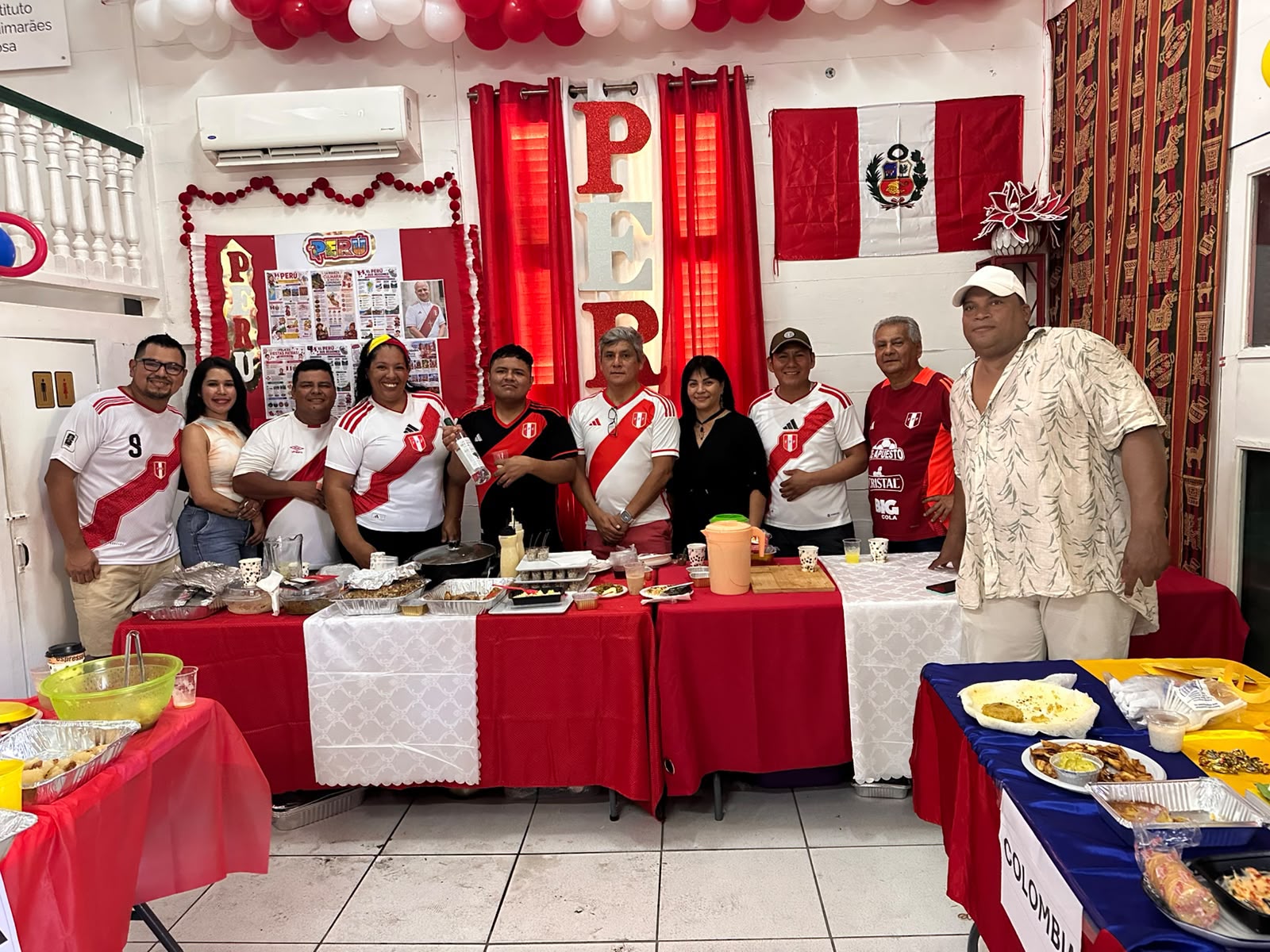
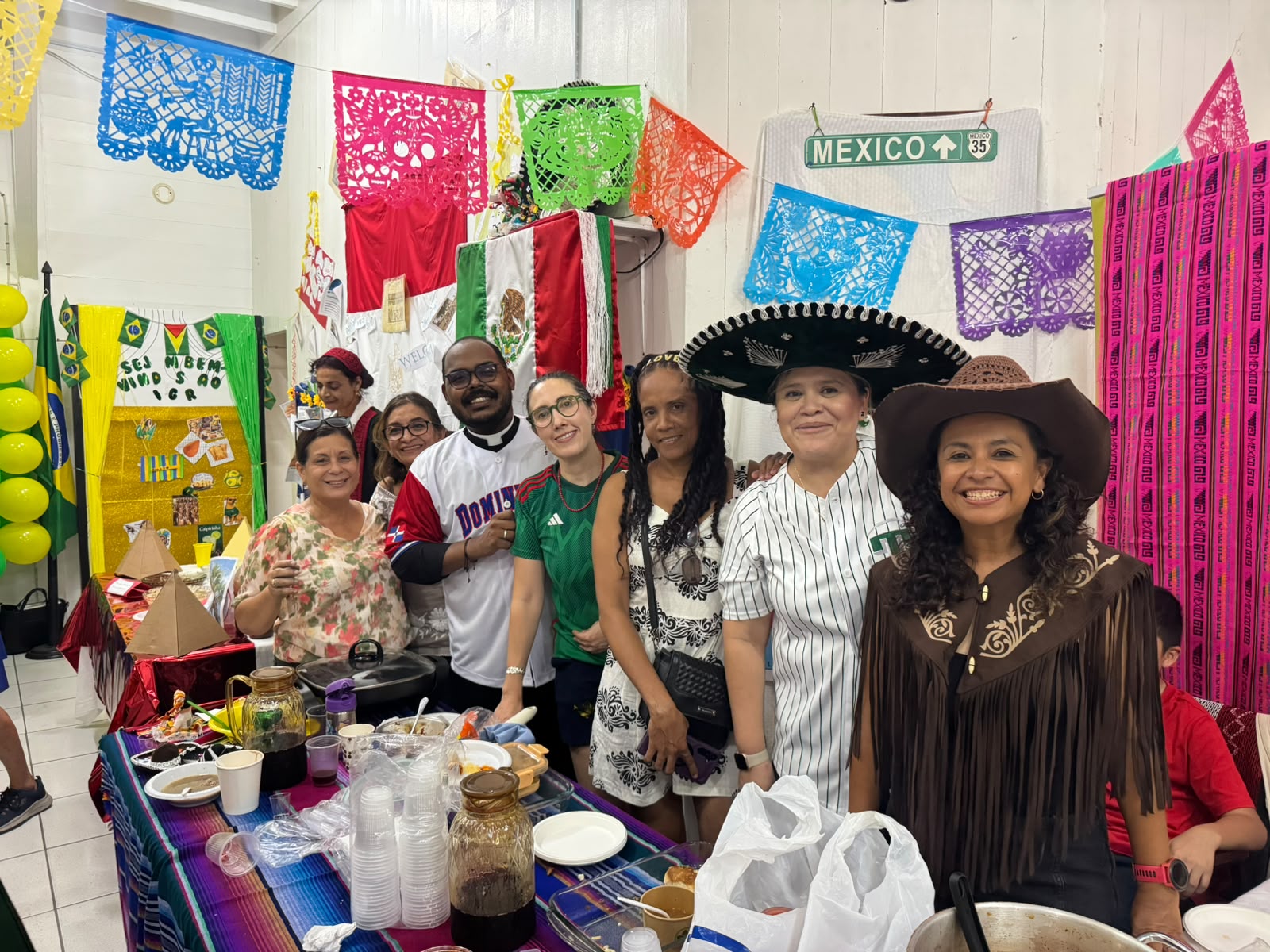
Music, flavors, traditional costumes, and the rich traditions of different peoples marked the 2026 Intercultural Festival, celebrated by the parish community of Georgetown, Guyana. The event was an opportunity to recognize the cultural diversity that coexists within this church community and to strengthen bonds of fellowship among people of different nationalities.
The celebration took place at the Cultural Center of the Brazilian Embassy, near the parish, and brought together representatives from the Dominican Republic, Cuba, Venezuela, Kenya, Brazil, Argentina, Guyana, Mexico, Egypt, Peru, Trinidad and Tobago, and Colombia. Each delegation shared elements representative of their cultural identity through musical performances, cuisine, traditional clothing, and other expressions characteristic of their peoples.
According to Father Santiago Lantigua, SJ, delegate for Religious Life in the Antilles to the Ecclesial Conference of the Amazon (CEAMA), this celebration was held in memory of Saint Frances Xavier Cabrini, known for her apostolic dedication to accompanying migrants, and Father Pedro Arrupe, SJ, founder of the Jesuit Refugee Service (JRS).
Both figures represent a legacy of commitment to human dignity, hospitality, and support for those who, due to various circumstances, leave their places of origin to build new opportunities in life.
Cultural Diversity as a Source of Richness for the Church
The 2026 Intercultural Festival highlighted that the diversity of nationalities, cultures, and traditions constitutes a source of richness for community and ecclesial life. In a context marked by human mobility and encounters between peoples, these spaces allow us to recognize identities, promote intercultural dialogue, and build relationships based on respect, solidarity, and fraternity.
From the perspective of a synodal and missionary Church, this experience in Georgetown reminds us of the importance of building open communities, capable of embracing differences and recognizing in each person an opportunity for encounter.
The celebration thus becomes a testimony to a Church that walks alongside peoples, accompanies migrants and refugees, and makes cultural diversity a path to living in communion and fraternity.