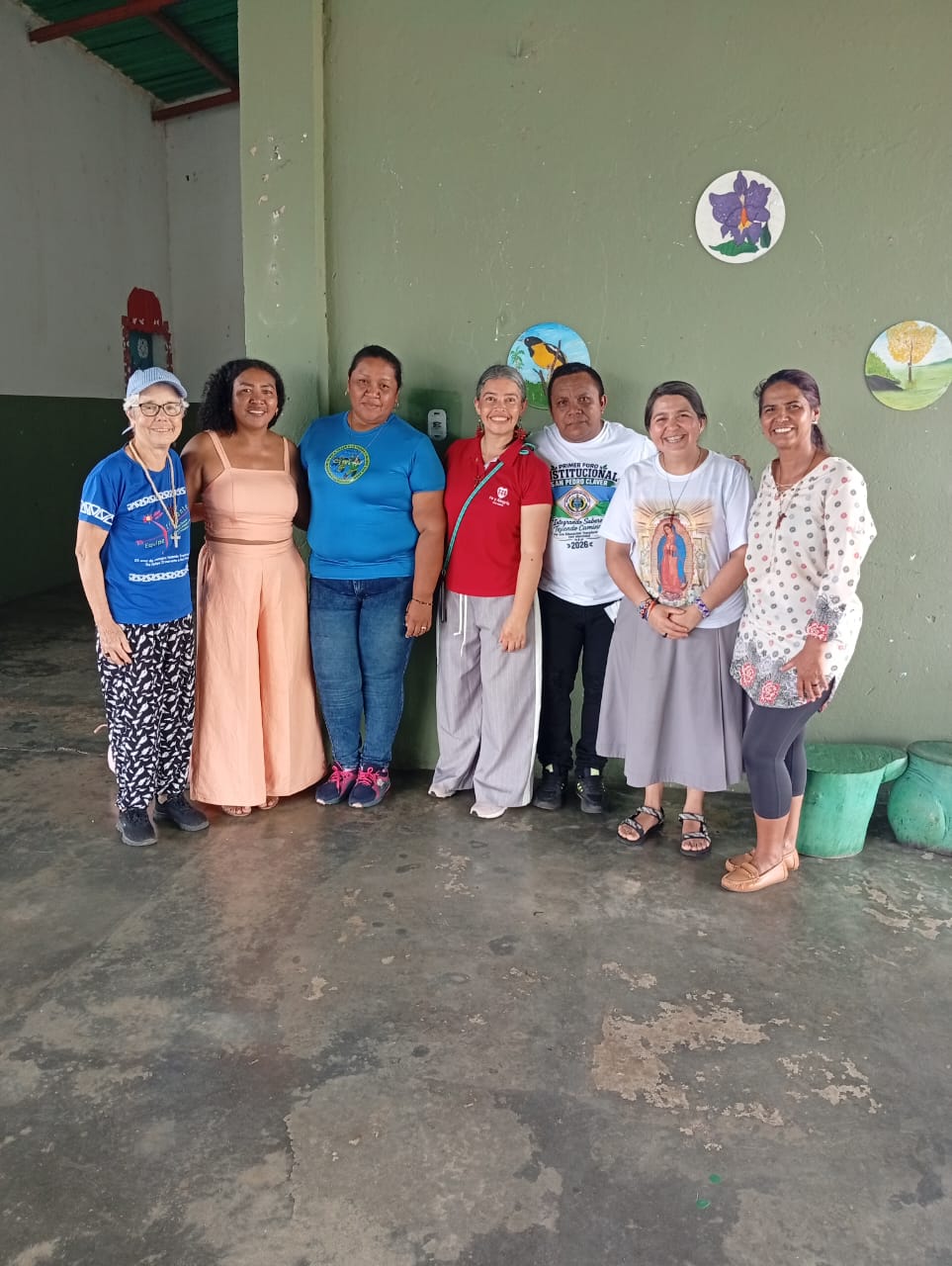
With the aim of preserving ancestral knowledge, strengthening cultural identity, and promoting education linked to the Amazonian territories, the Second Tri-National Meeting on Ancestral Knowledge – COBRAVE was held from September 29 to October 1, bringing together educators and facilitators of educational processes from Colombia, Brazil, and Venezuela.
The meeting established itself as a space for pedagogical, cultural, and spiritual exchange among those who support indigenous communities in the border territories of the Pan-Amazon region. Through dialogue on knowledge and practical experiences, participants reflected on the challenges facing intercultural education and on the need to develop tools that strengthen the indigenous peoples’ own knowledge.
An Education in Dialogue with Nature and Ancestral Knowledge
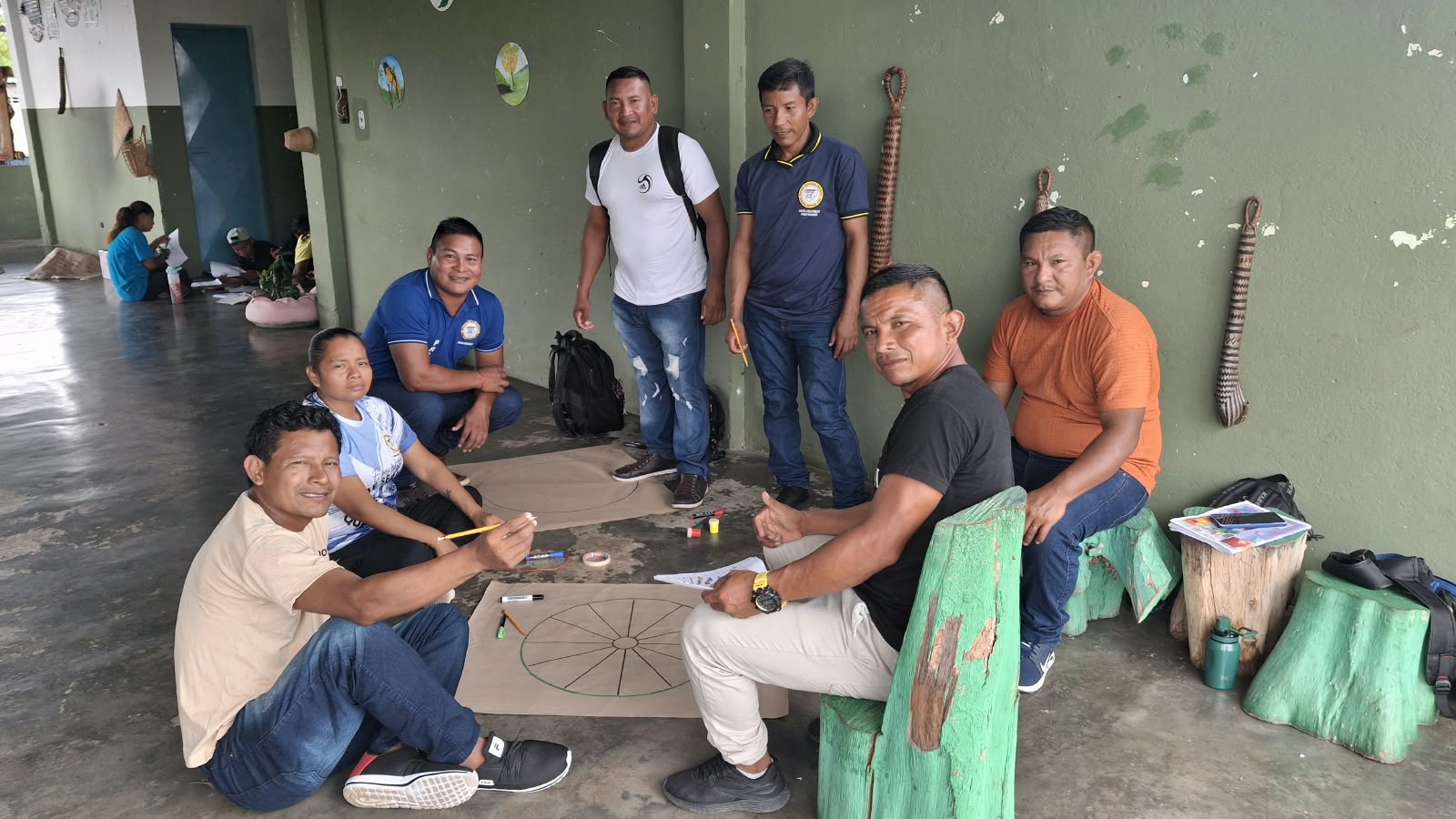
Over the course of three days, roundtable discussions, exchange sessions, and pilot projects were held, aimed at identifying tools that can be applied in classrooms and communities.
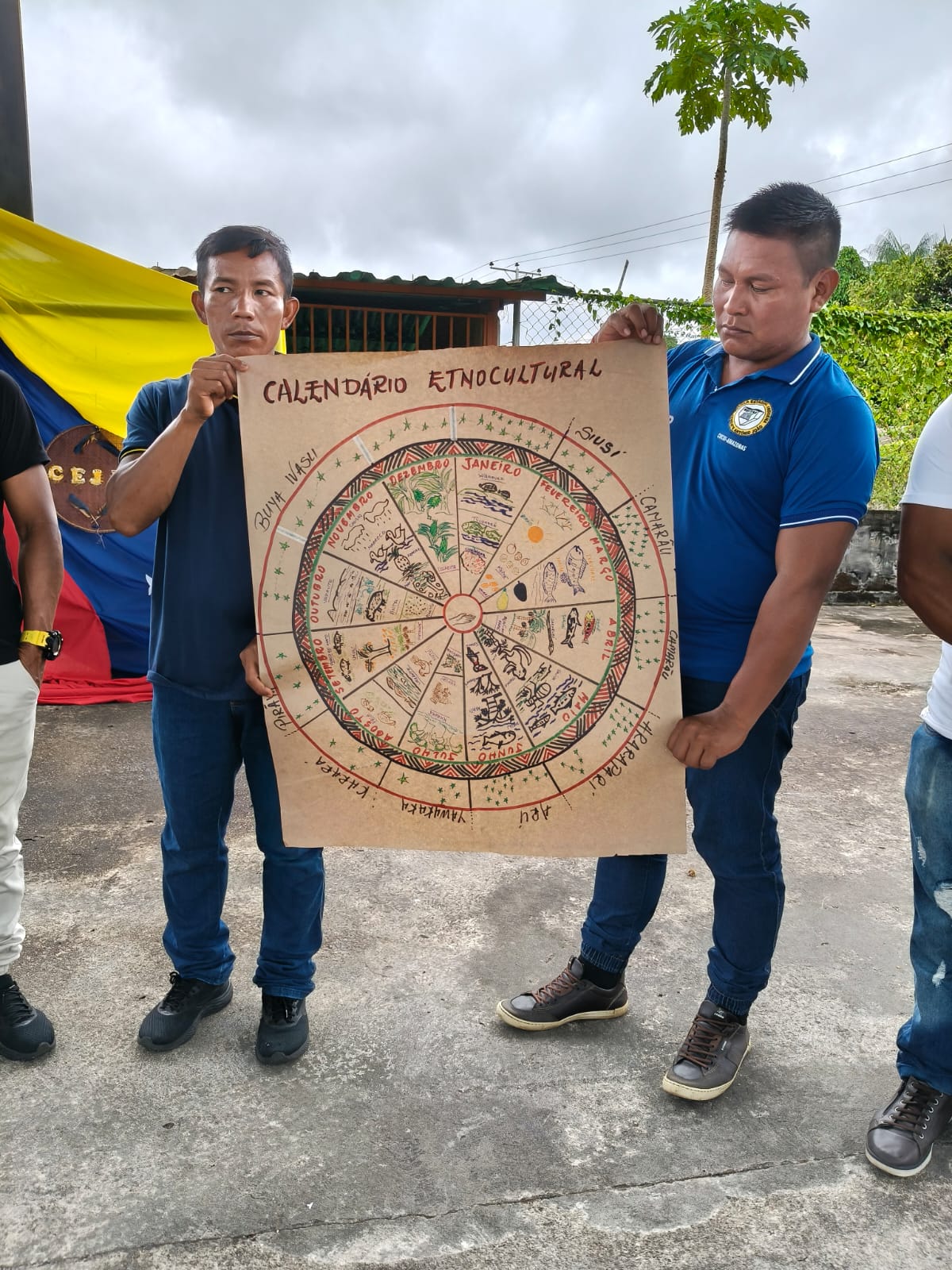
One of the highlighted tools was the ecological calendar, an educational resource that helps recover and transmit ancestral knowledge related to the cycles of nature. Its use seeks to foster a dialogue between the worldview of indigenous peoples and the curriculum established by the official education systems of Colombia, Brazil, and Venezuela.
In this way, intercultural education is presented as a path for students to learn from within their own territory, recognizing the knowledge passed down by their peoples and strengthening the relationship between community, culture, nature, and school.
Renewing the Vocation of Educators in the Amazon
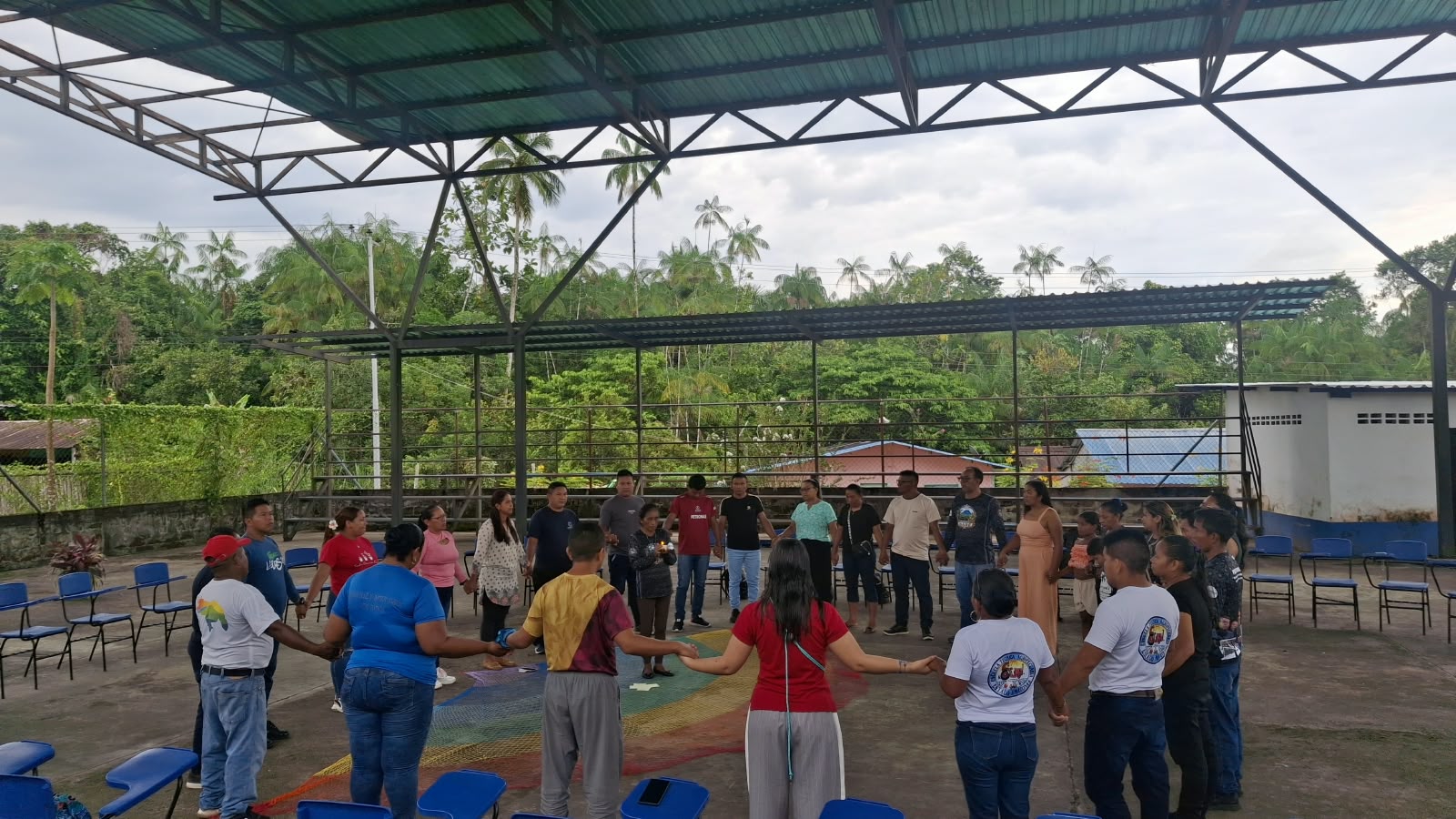
The gathering also included an important spiritual component. Through a moment of prayer and contemplation, the educators renewed their commitment to the mission of guiding the younger generations and safeguarding the knowledge of the Amazonian peoples.
During this time, a message addressed specifically to teachers was shared:
“Teacher of the Amazon, guardian of the jungle and of hope: you return to your community not empty-handed, but with the maloca of knowledge expanded.”
The message highlighted the Amazonian educator’s calling as a guardian of culture, a sower of knowledge, and a builder of hope, inviting them to return to their communities with new tools, but also with a commitment to keeping the network of collaboration among the territories alive.
Weaving Networks Beyond Borders
The Second Tri-National Meeting was made possible thanks to the coordination of various organizations, networks, and individuals who support educational and community processes in the Amazon.
Among the participants and partners were Fe y Alegría Colombia, represented by Sabrina Burgos; Sister Lisette Escárate, H.D.M., coordinator of the REIBA/CEAMA volunteer program; Getulio Gómez, Lic.; Father Fernando López, S.J., representing the Itinerant Team; and representatives of the Spínola Foundation, including Sister María Fuentes and Mariela Romano.
This collaboration highlights the importance of building Amazonian educational networks capable of transcending national borders and recognizing that peoples, cultures, rivers, and community processes share connections that go beyond territorial divisions.
Evaluating to Move Forward
The final day was dedicated to a collective evaluation of the gathering. Educators and leaders shared what they had learned, reflected on their experiences, and put forward proposals to ensure the process’s continuity.
Among the highlights were expressions of gratitude for the exchange of knowledge and the cultural activities, as well as the participants’ enthusiasm for bringing the tools they had learned back to their communities and classrooms.
There was also a clear desire to continue developing international learning sessions, progressively strengthening a network of educators committed to intercultural education in the Amazon.
Participants also highlighted the importance of continuing to strengthen coordination in strategic border towns, such as Cucuí, Brazil, which can serve as meeting points for future training and exchange initiatives.
Intercultural Education for an Amazon with Identity
The II Tri-national Meeting on Ancestral Knowledge identifies as its main challenge the continued strengthening of an education system that recognizes the identity, languages, knowledge, and worldviews of indigenous peoples, and that views the territory as a fundamental source of learning.
For CEAMA, through REIBA, these spaces for gathering and collaboration help consolidate a bilingual intercultural education that values ancestral knowledge and empowers educators as key agents of transformation in their communities.
The experience in San Carlos reaffirms that educating in the Amazon also means listening to the territory, learning from the peoples, and keeping alive the memory of those who have cared for our Common Home for generations.
From Colombia, Brazil, and Venezuela, educators and organizations continue to build networks so that ancestral knowledge continues to be passed down from generation to generation and so that Amazonian schools become spaces where culture, territory, spirituality, and education can come together.