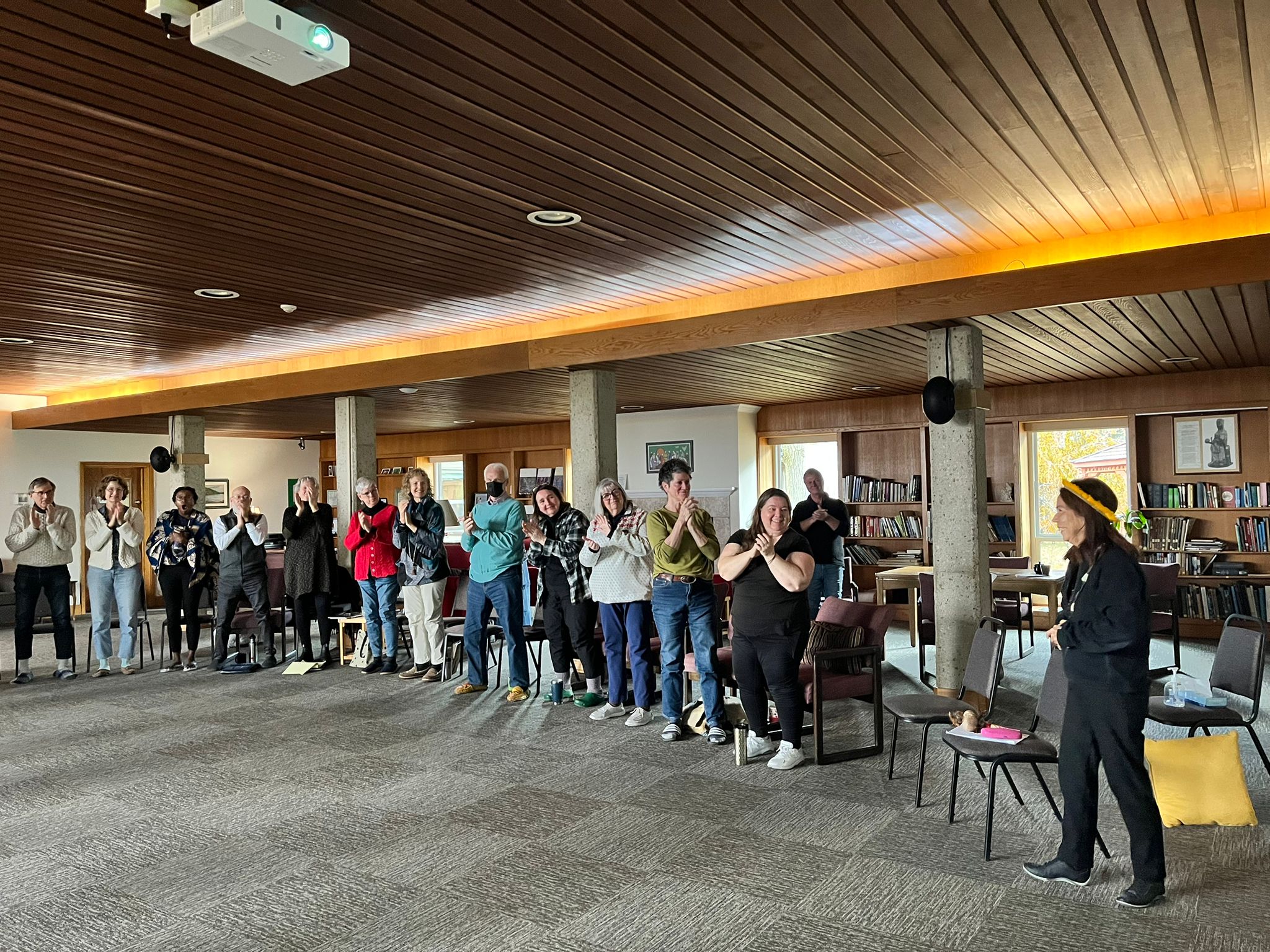
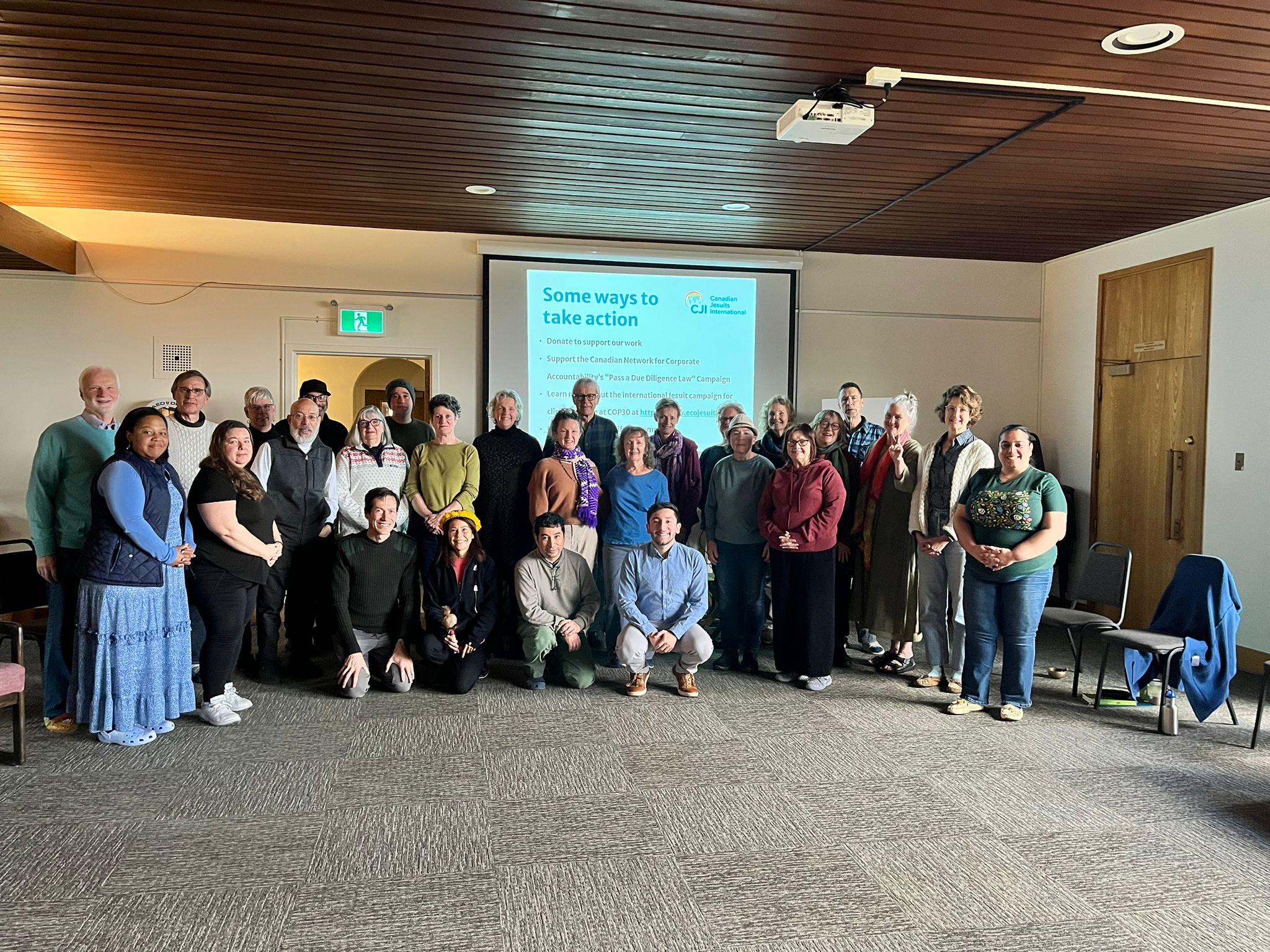
Canadian Jesuits International carried out the Women at the Heart of Justice campaign this November, an initiative that recognizes women as essential protagonists in the global struggle for dignity, equality, defense of the earth, and sustainability.
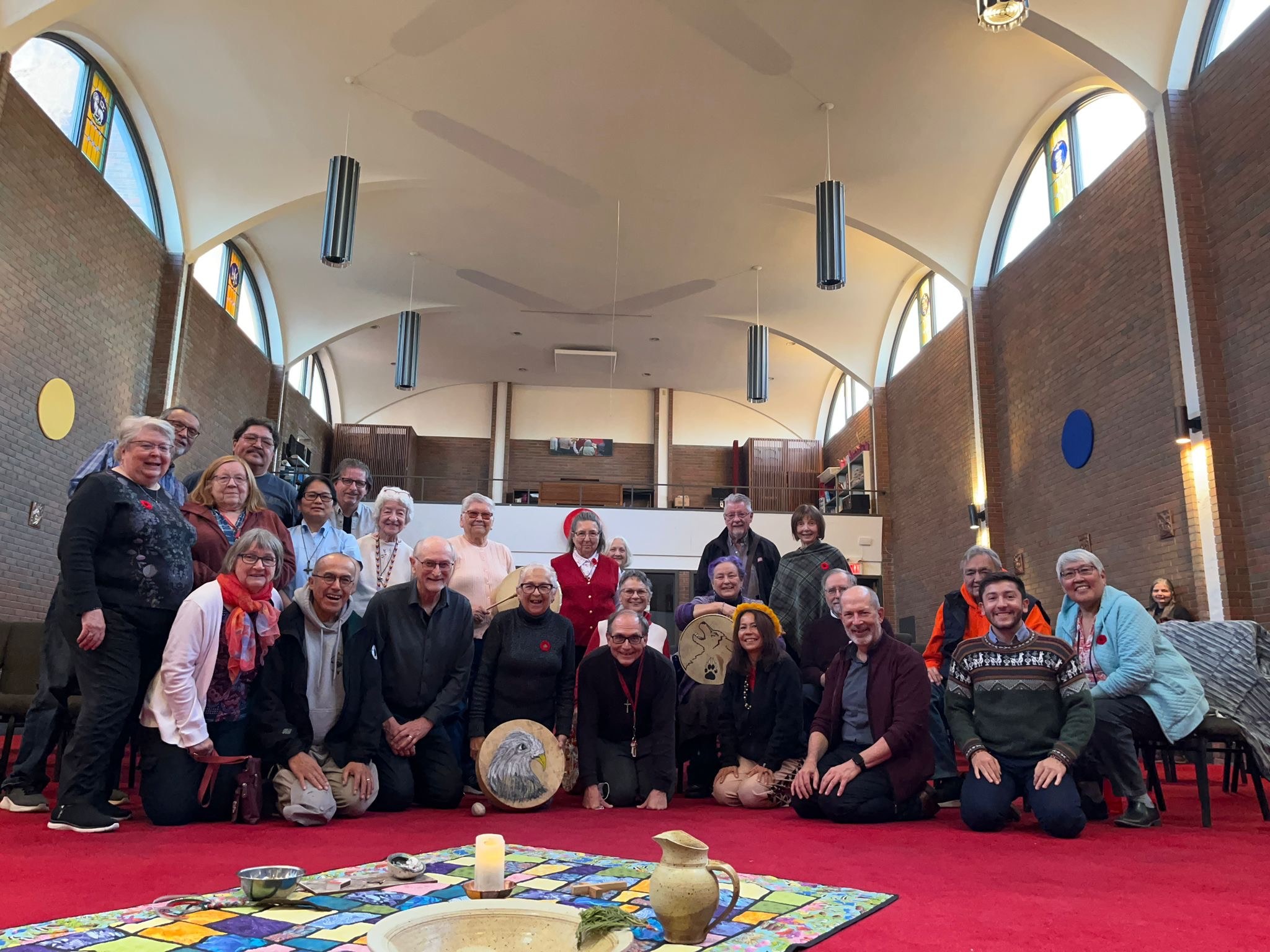
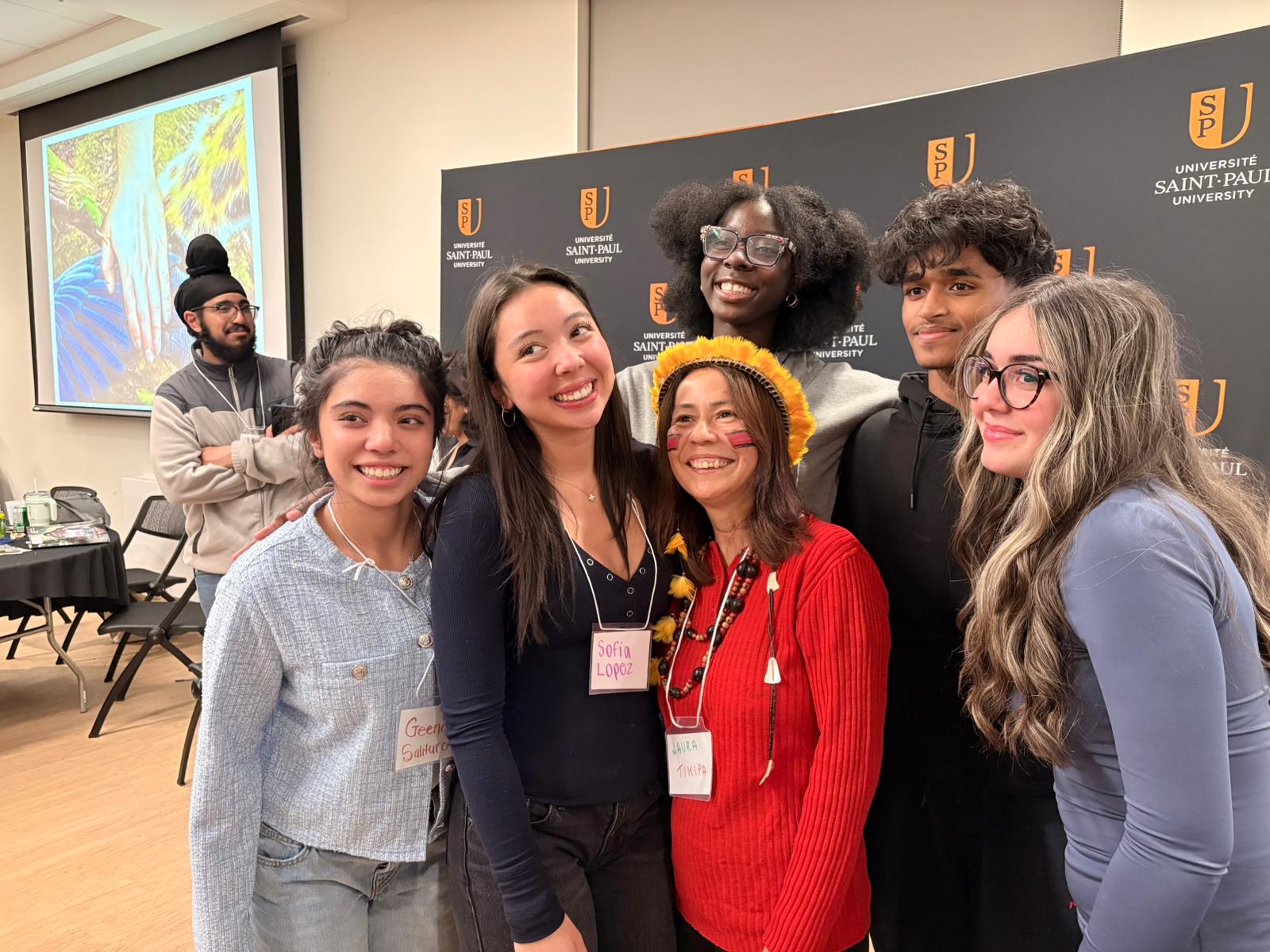
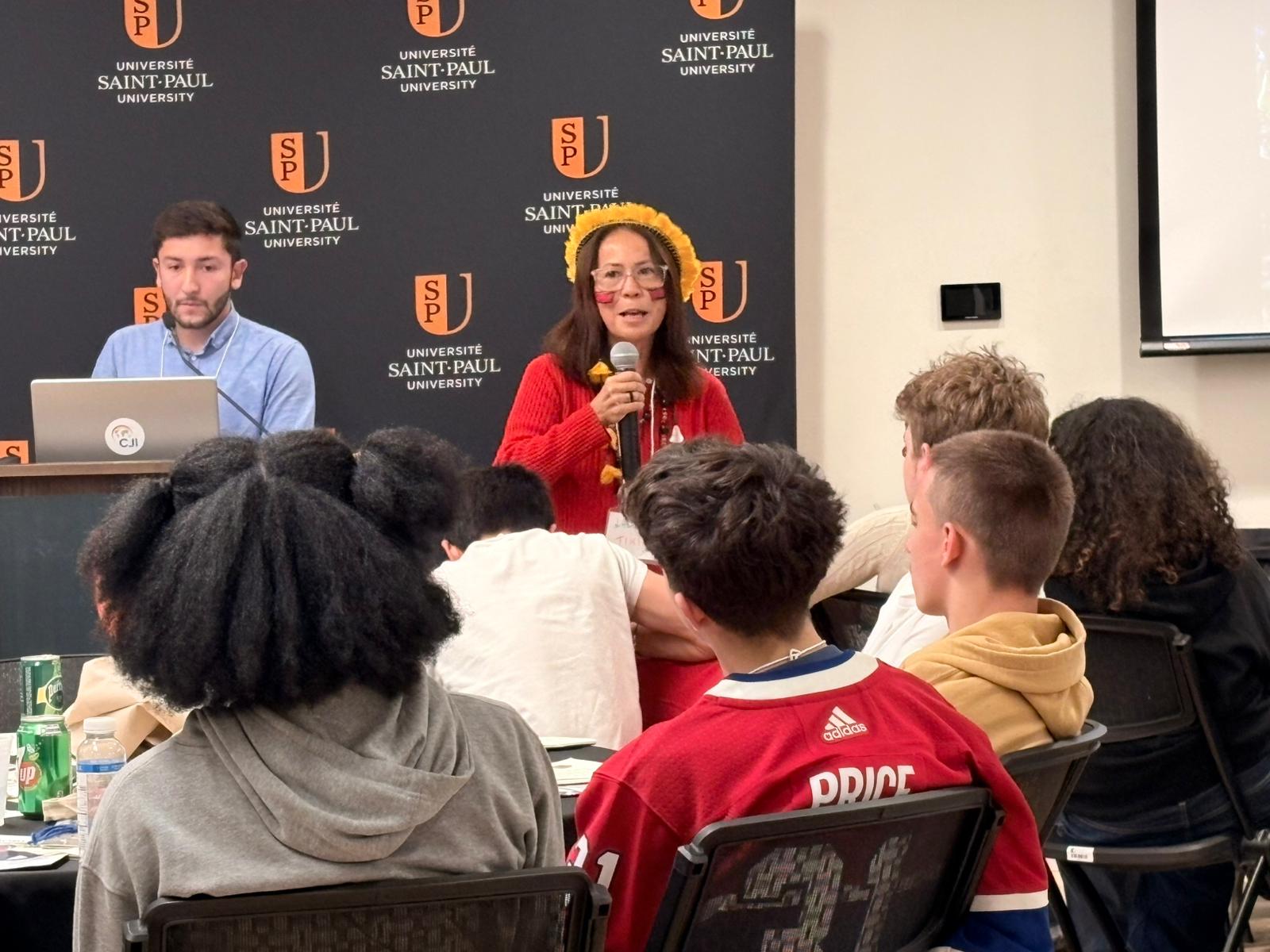
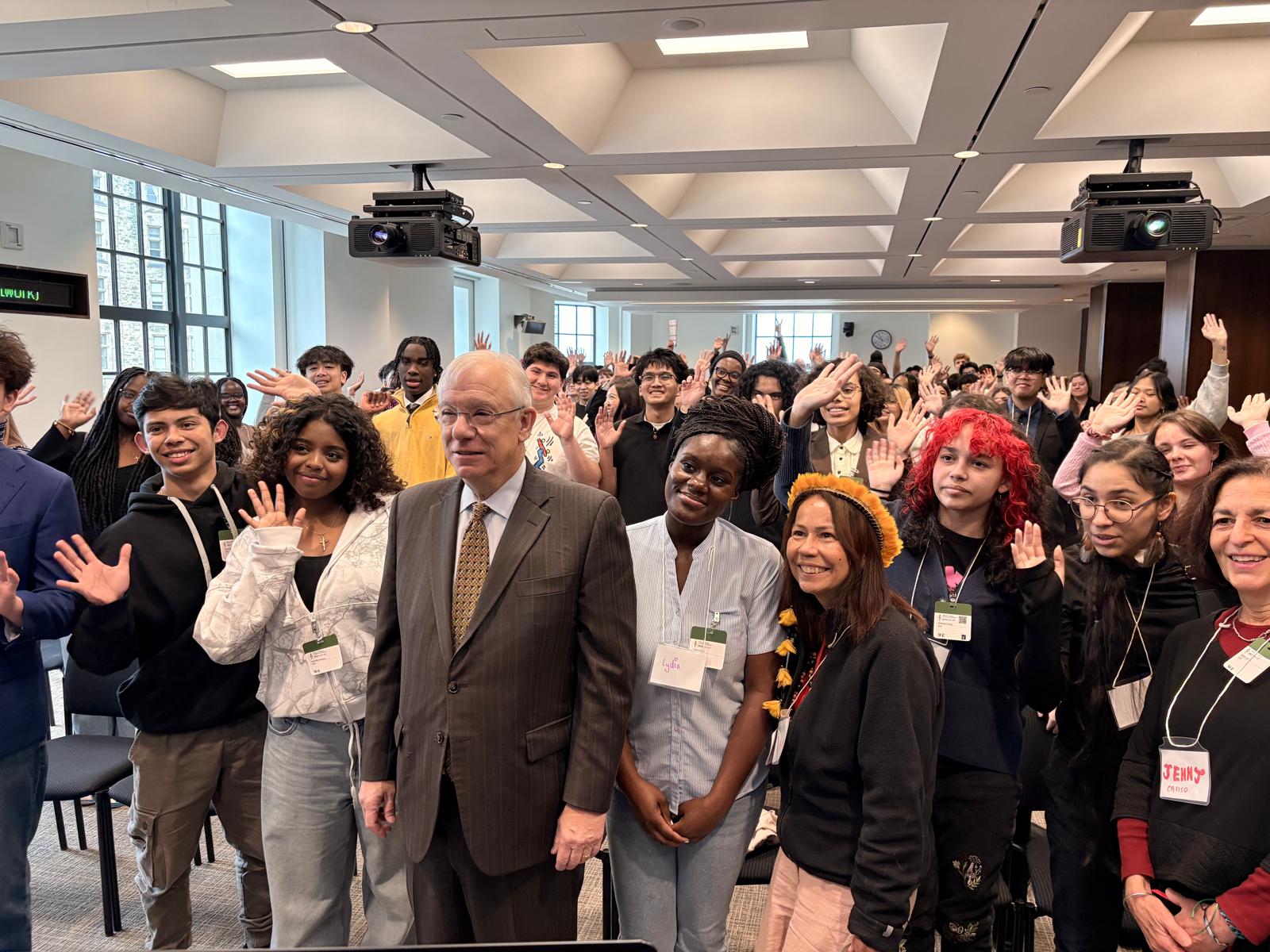
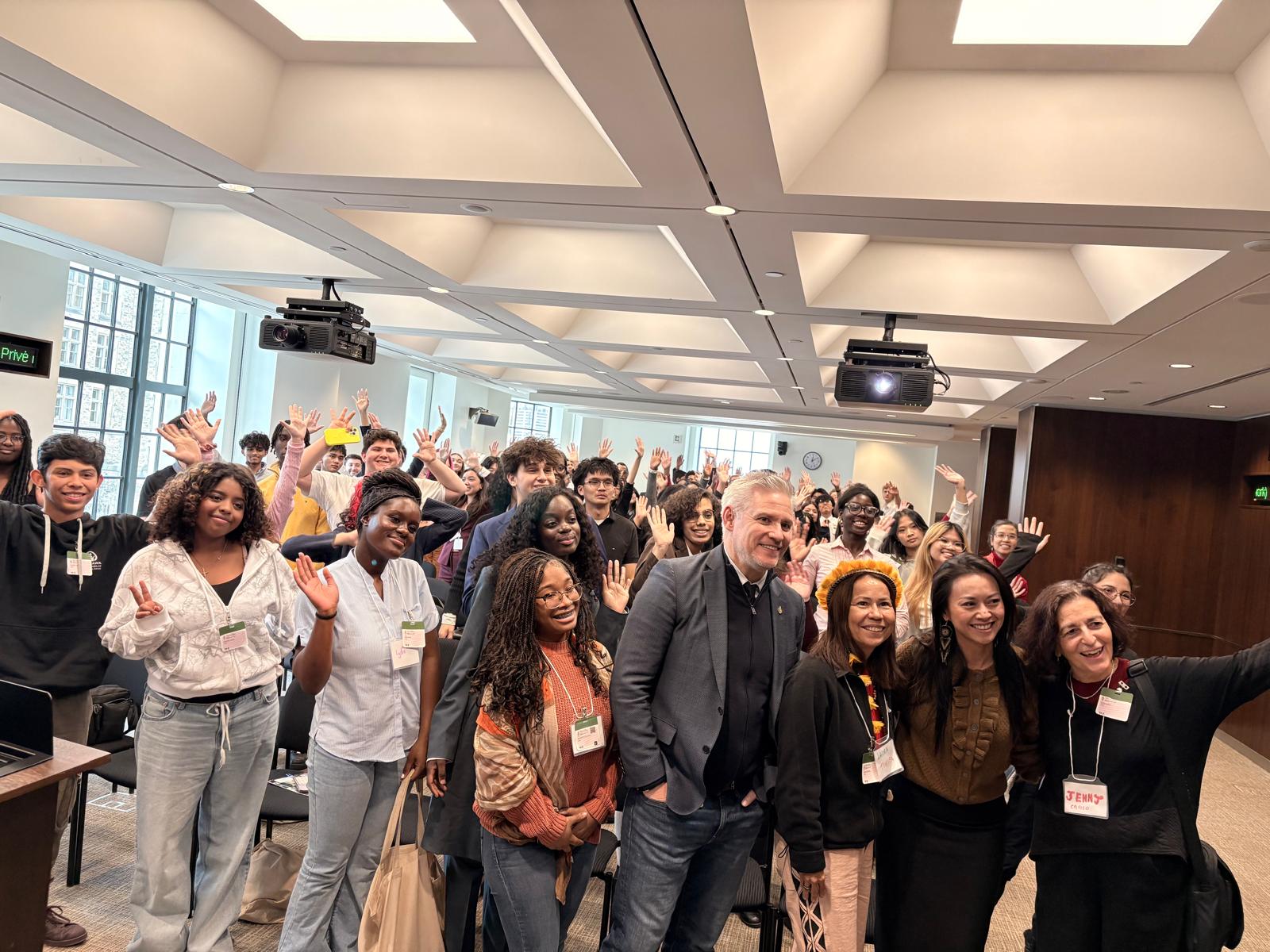
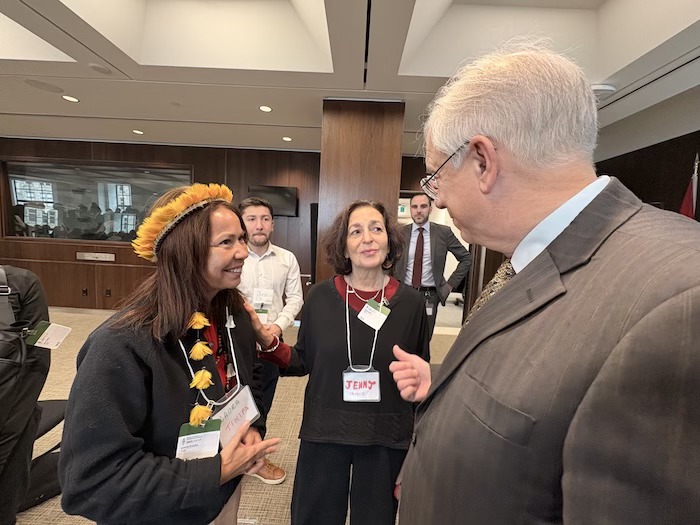
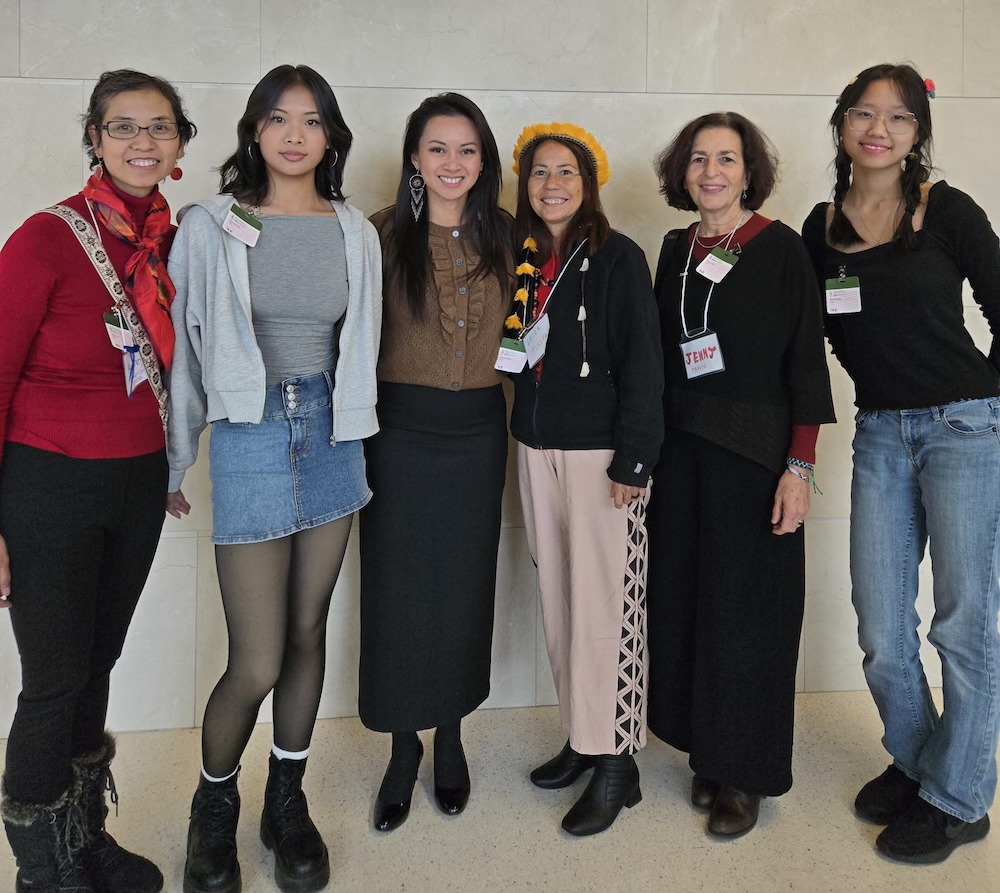
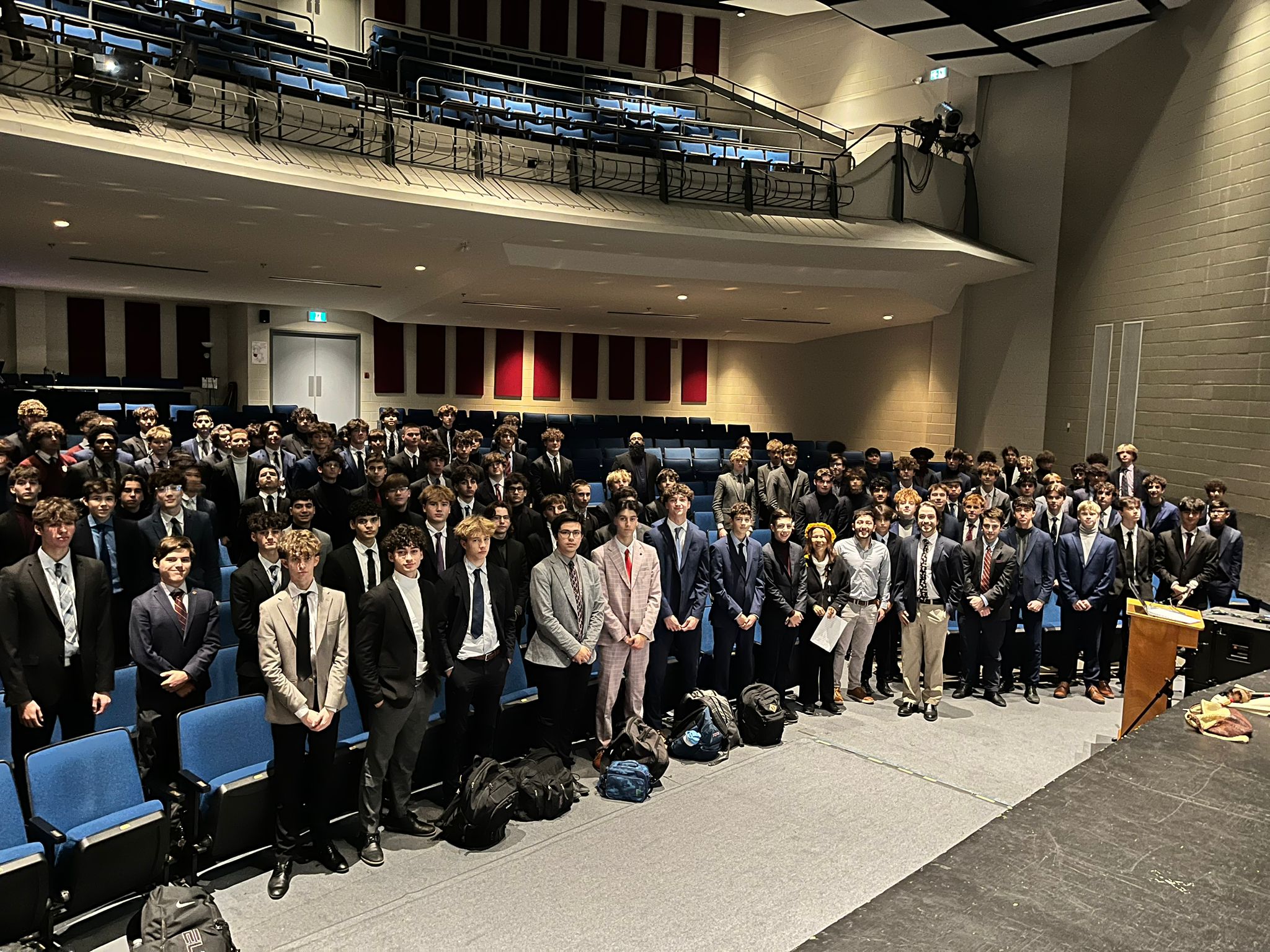
As the main guest, Sister Laura Vicuña Pereira Manso, Franciscan catechist, indigenous woman of the Kariri people, and vice president of CEAMA, visited Canada from November 7 to 26, meeting with young people, academics, Jesuit communities, universities, and a diverse audience gathered for the premiere of a film dedicated to the role of women in the defense of territories.
Her presence brought the voice of the Amazon and indigenous peoples to Canada, as well as the synodal journey of the Church in the region.
Women at the Heart of Justice
In her remarks, Sister Laura emphasized that “women are indispensable to the life of the family, the community, society, the Church, and the planet.” Moved by the inner strength that drives us to defend life in the face of war, injustice, and extractive systems, she evoked the African proverb: “Simple women, doing small things, in insignificant places, achieve extraordinary changes.”
She affirmed that this campaign is precisely the sum of those small actions which, woven together in a network, strengthen the defense of life, the earth, and the rights of peoples. She also shared her personal process of indigenous reaffirmation and the testimony of ancestral women whose resilience continues to inspire the current struggle.
Defense of the Amazon and indigenous peoples
Sister Laura presented the dramatic situation faced by the Amazonian peoples, especially in the region of Rondônia, marked by the expansion of extractivism, deforestation, and violence.
She recalled that the reality of invaded territories—such as those of the Karipuna people—highlights the state’s lack of commitment to its own Constitution and favors economic interests that transform the Amazon into devastated land. She emphasized that this crisis is not circumstantial, but systemic, the result of a technocratic model that threatens all life.
At the same time, she insisted on the spiritual and cultural resistance of indigenous peoples who, as “peoples of ancestral perfumes,” continue to offer the world a vision of harmony with nature and good living.
A word to young people: artisans of hope
In dialogues with students, Sister Laura echoed the words of Pope Francis to remind them that “young people are artisans of hope because they are capable of dreaming.”
She encouraged them not to let their hope be stolen, to resist individualism and consumerism, and to recognize themselves as part of a “network called life,” where every gesture counts in transforming the world.
She invited them to be protagonists and not spectators, to weave global solidarity and to defend life and our common home from the here and now of history.
Synodality from the Amazonian experience
In her presentations on the ecclesial process, Sister Laura emphasized that Amazonian synodality is the fruit of a long journey that connects the meetings of Iquitos (1971) and Santarém (1972), passing through the Synod of the Amazon and its call for “new paths for the Church and integral ecology.”
She explained that CEAMA is not only a structure but also a process that brings together bishops, laypeople, women, indigenous people, and religious in a style of listening, discernment, and shared responsibility.
“CEAMA,” she said, “is a space where no one decides alone. It is an ecclesial body that seeks to strengthen what already exists and open new paths, with an Amazonian and Samaritan face.”
Among the challenges, she highlighted the need to sustain this unprecedented ecclesial novelty, ensuring that the participation of indigenous peoples and women is real and decisive, not symbolic.
An Amazonian voice for the world
Sister Laura’s presence in Canada left a deep impression on all the places she visited. Her testimony intertwines missionary commitment, the defense of indigenous peoples, the experience of synodality, and the active hope that springs from the Amazonian territory.
In her closing remarks, she recalled that “everything can fail, but hope cannot fail,” quoting Pedro Casaldáliga. She affirmed that the Amazon is not only a place to be protected, but also an ecclesial face that inspires the whole Church to walk together for life, justice, and peace.