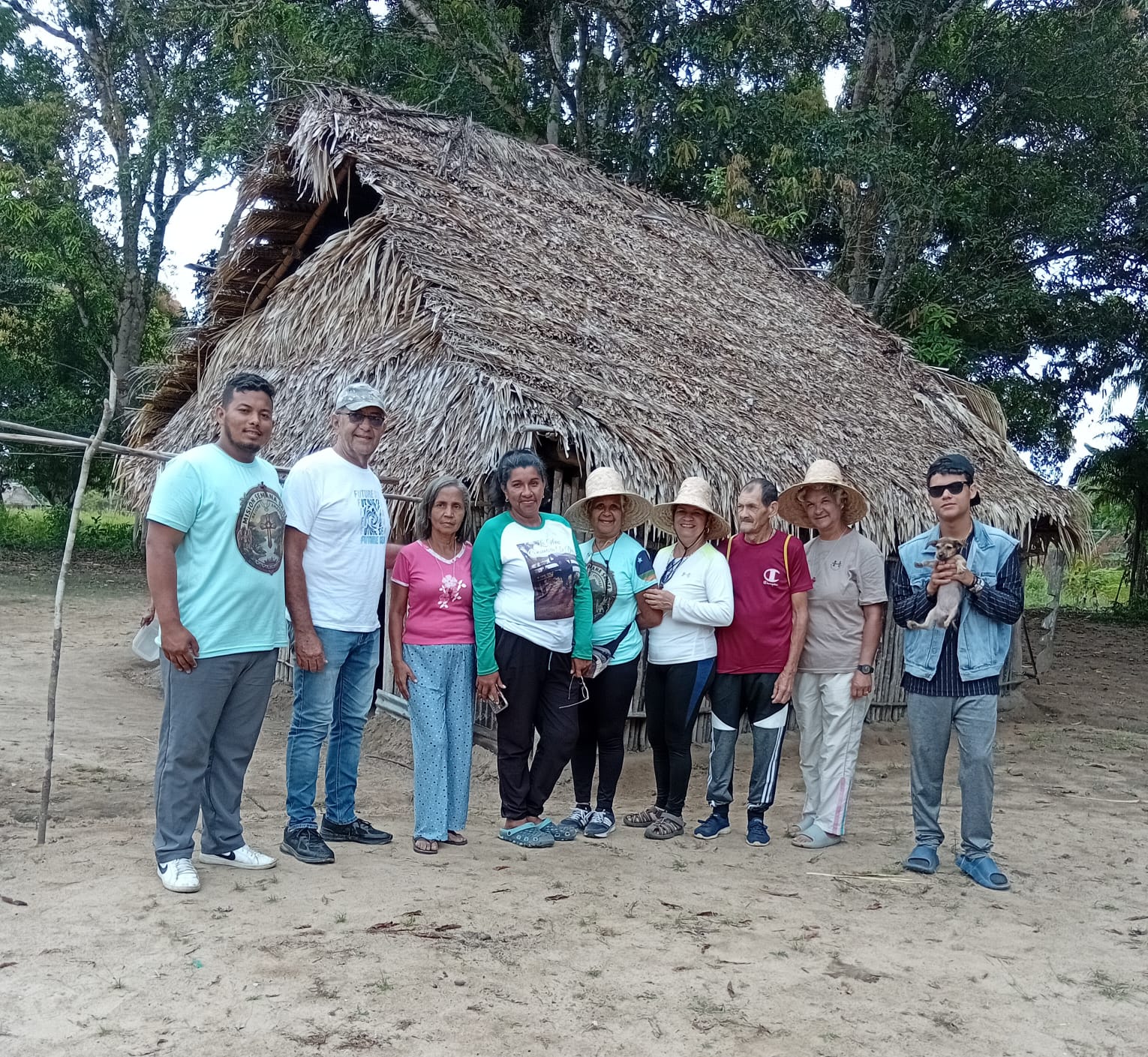
Driven by the power of the Word—“faith is shown through action” (cf. Jas 2:26)—more than 60 missionaries lived an intense Holy Week experience in isolated indigenous communities of the Venezuelan Amazon, on a mission organized by the Salesians and the Apostolic Vicariate of Puerto Ayacucho, accompanied by the Carmelite Sisters of Mother Candelaria.
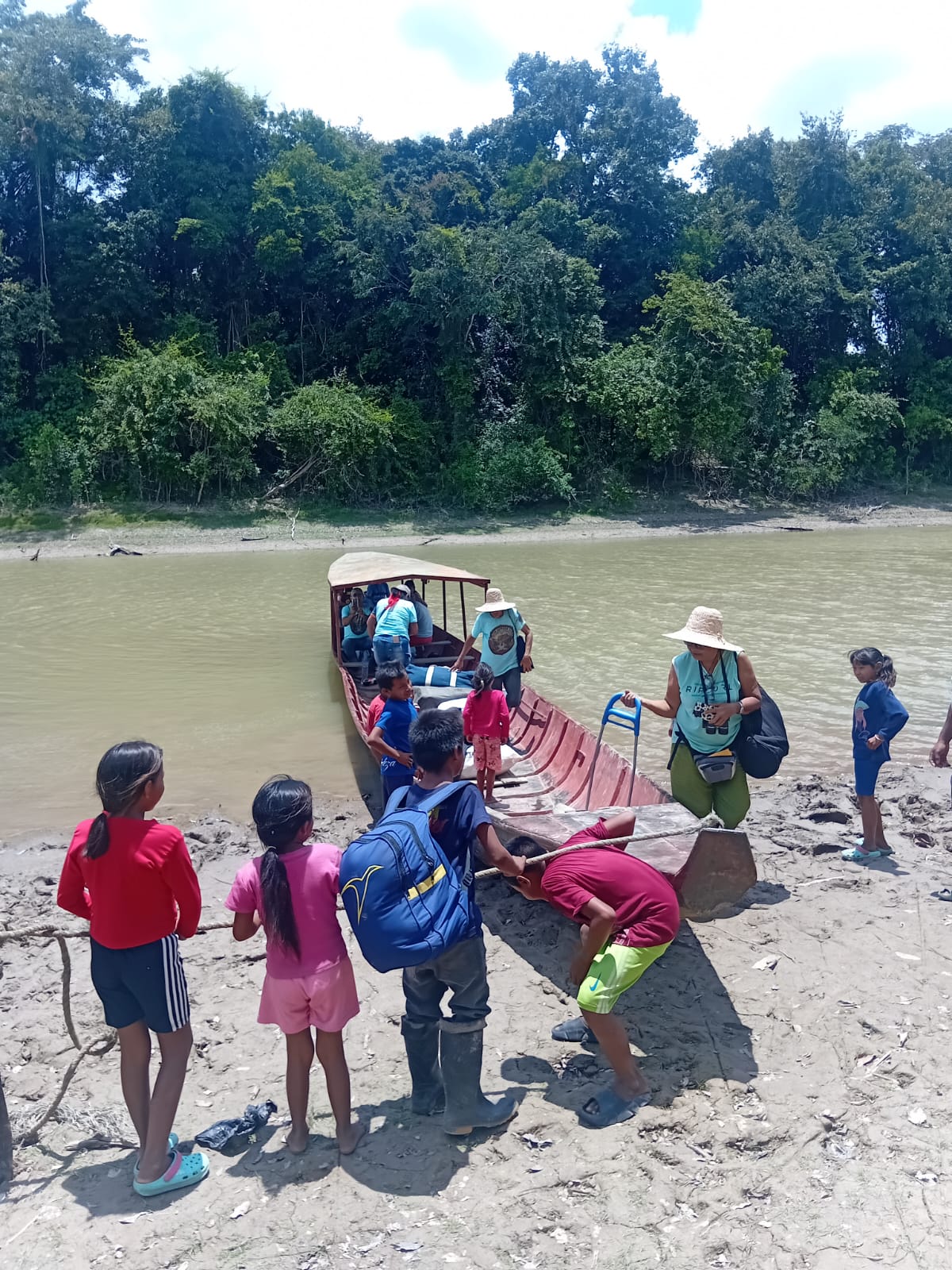
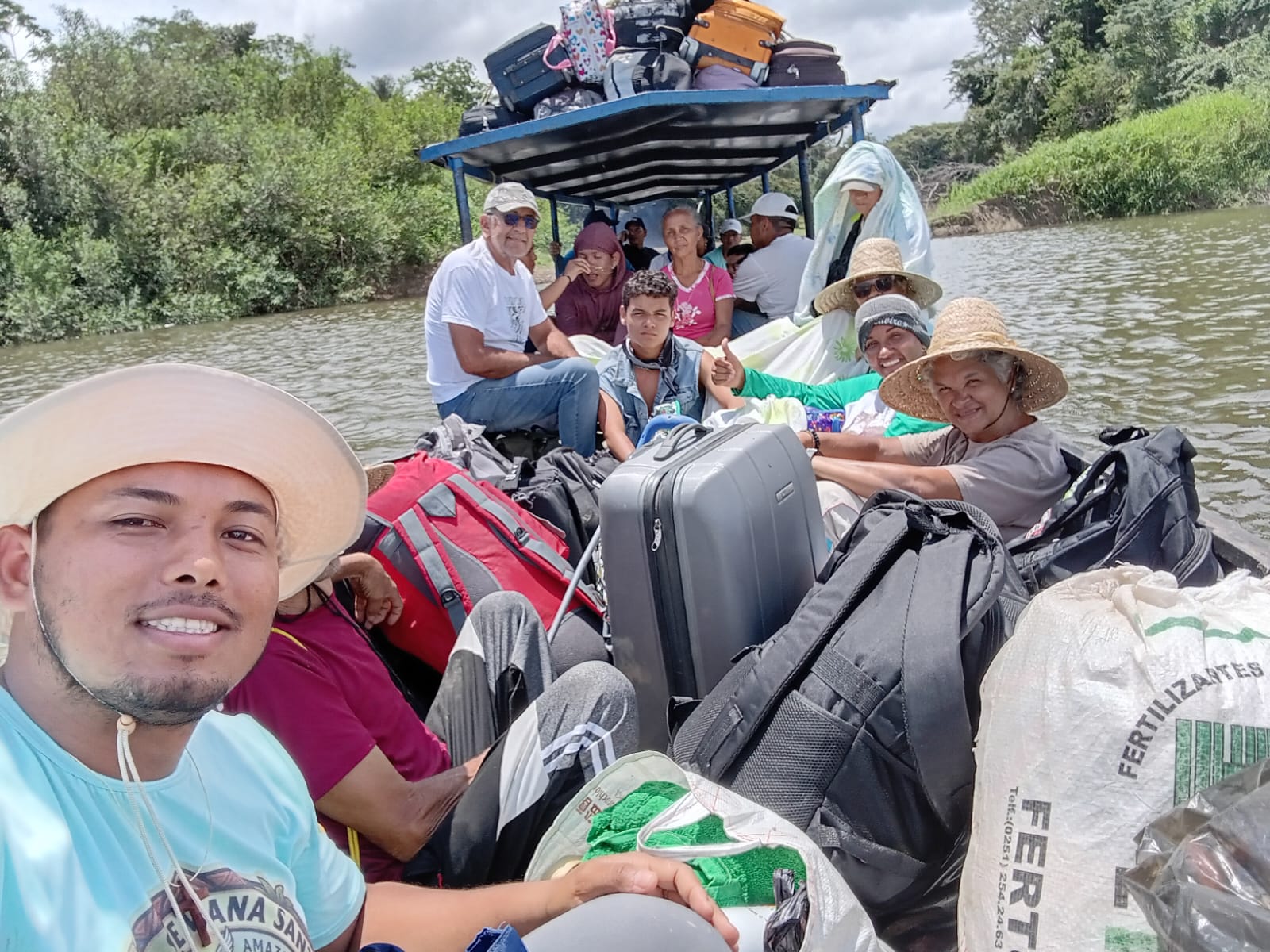
From various cities such as Los Teques, Coro, Barquisimeto, Caracas, and Bejuma, the missionaries set out on a long journey to Puerto Ayacucho. From there, they began a river journey that took them, after hours of navigation along the Orinoco River and its tributaries, to communities of the Jivi, Piaroa, Wuotuja, Curipaco, and San Pedro peoples, among others.
Jesús Alexander Cordero Villamizar, a Venezuelan missionary, describes the experience as a profound encounter with another reality:
“It’s striking. They have no electricity; they share solar panels to charge their cell phones, and internet access is limited. But what is most moving is their ability to live in community, amidst so many hardships.”
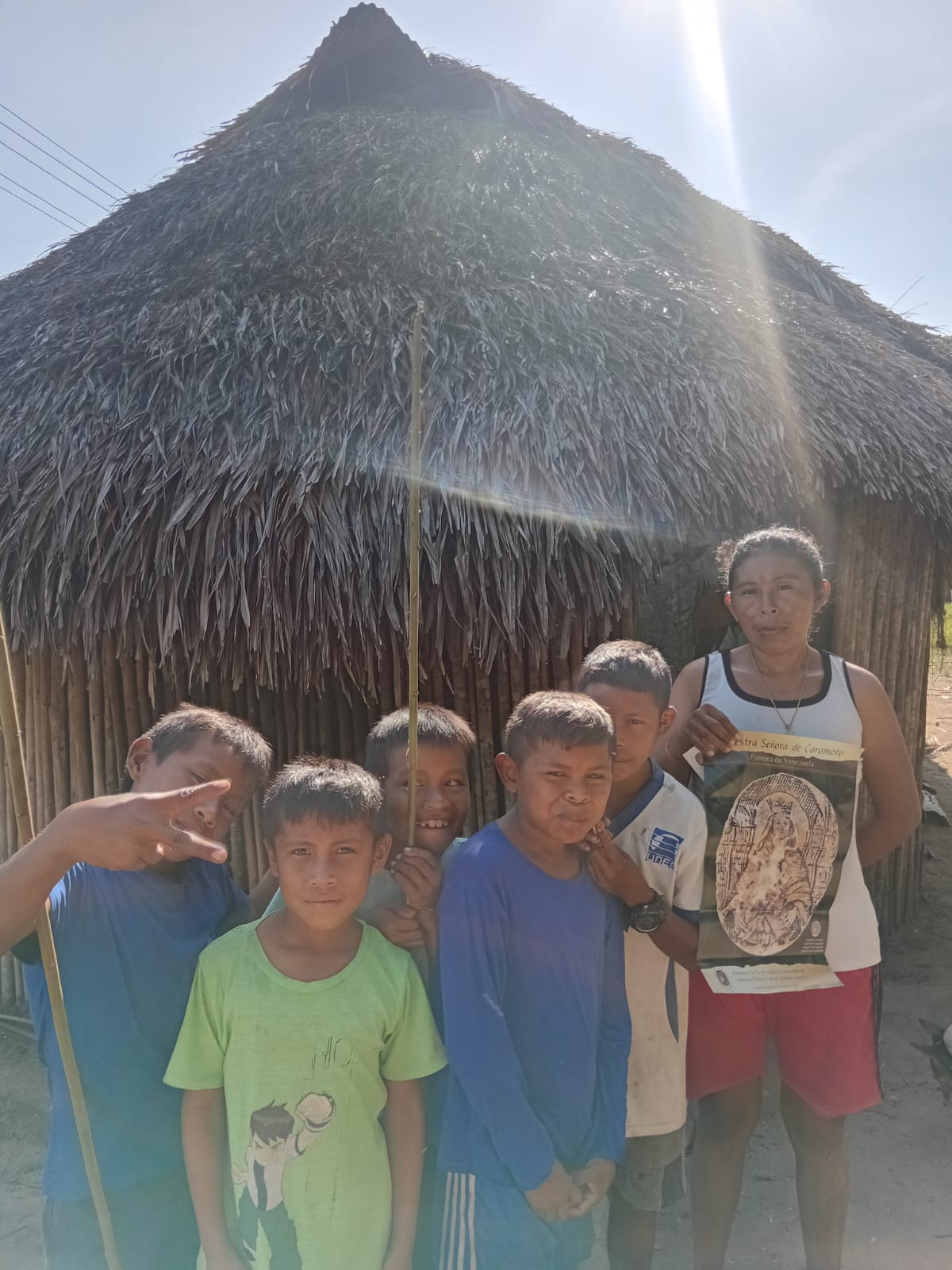
The mission, which ran from March 28 to April 5, was marked by closeness, listening, and the inculturation of the Gospel. The celebration of faith broke through language barriers and cultural distances, making visible a Church that walks with an Amazonian face.
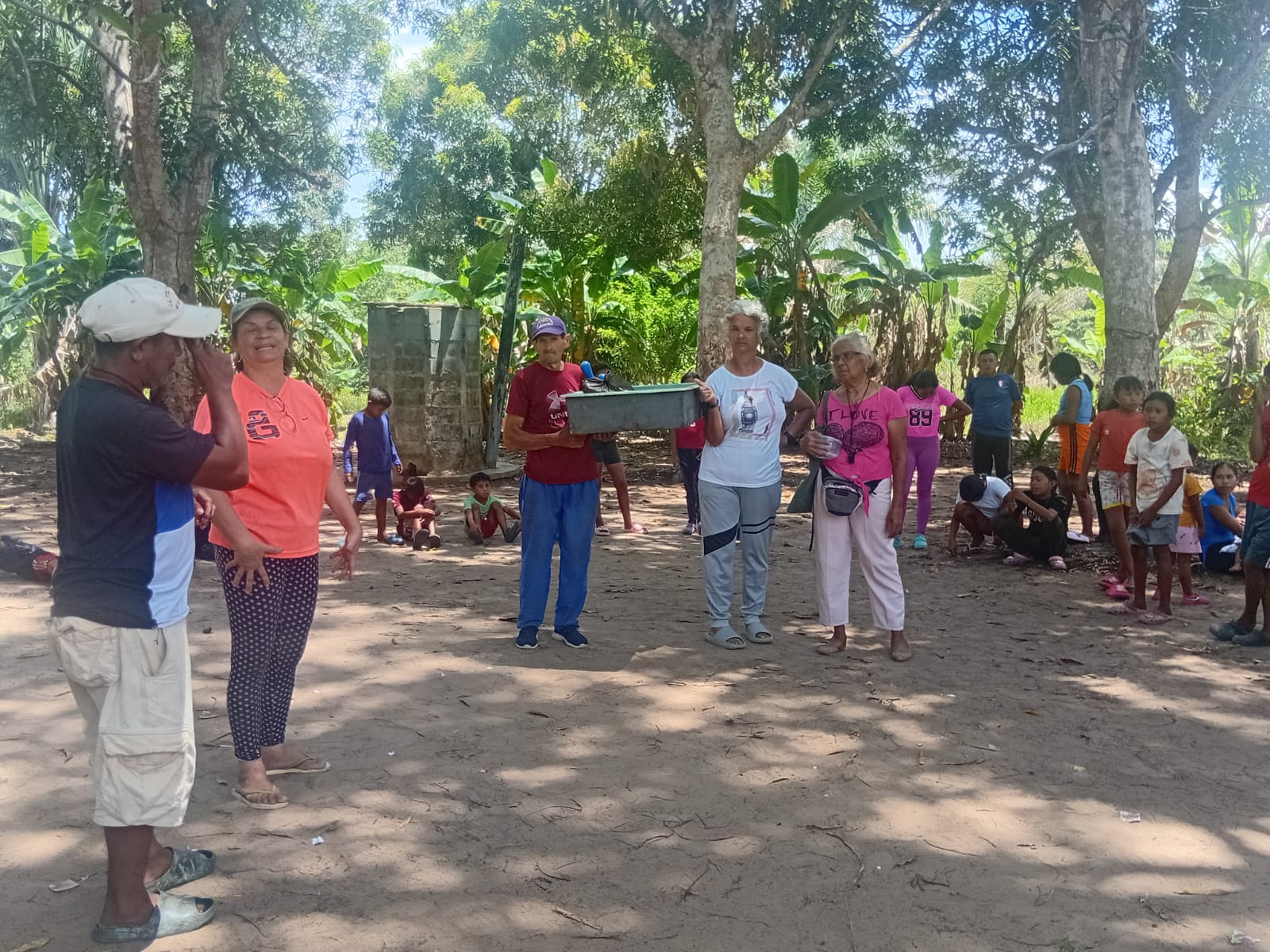
One of the most significant moments was the staging of a Way of the Cross with children from the Jivi community, prepared in just a few hours, where creativity and linguistic mediation made it possible to proclaim the Paschal Mystery:
“It was a challenge, because many do not understand Spanish, but with the help of a translator in their language we managed to share the message,” Cordero recounts.
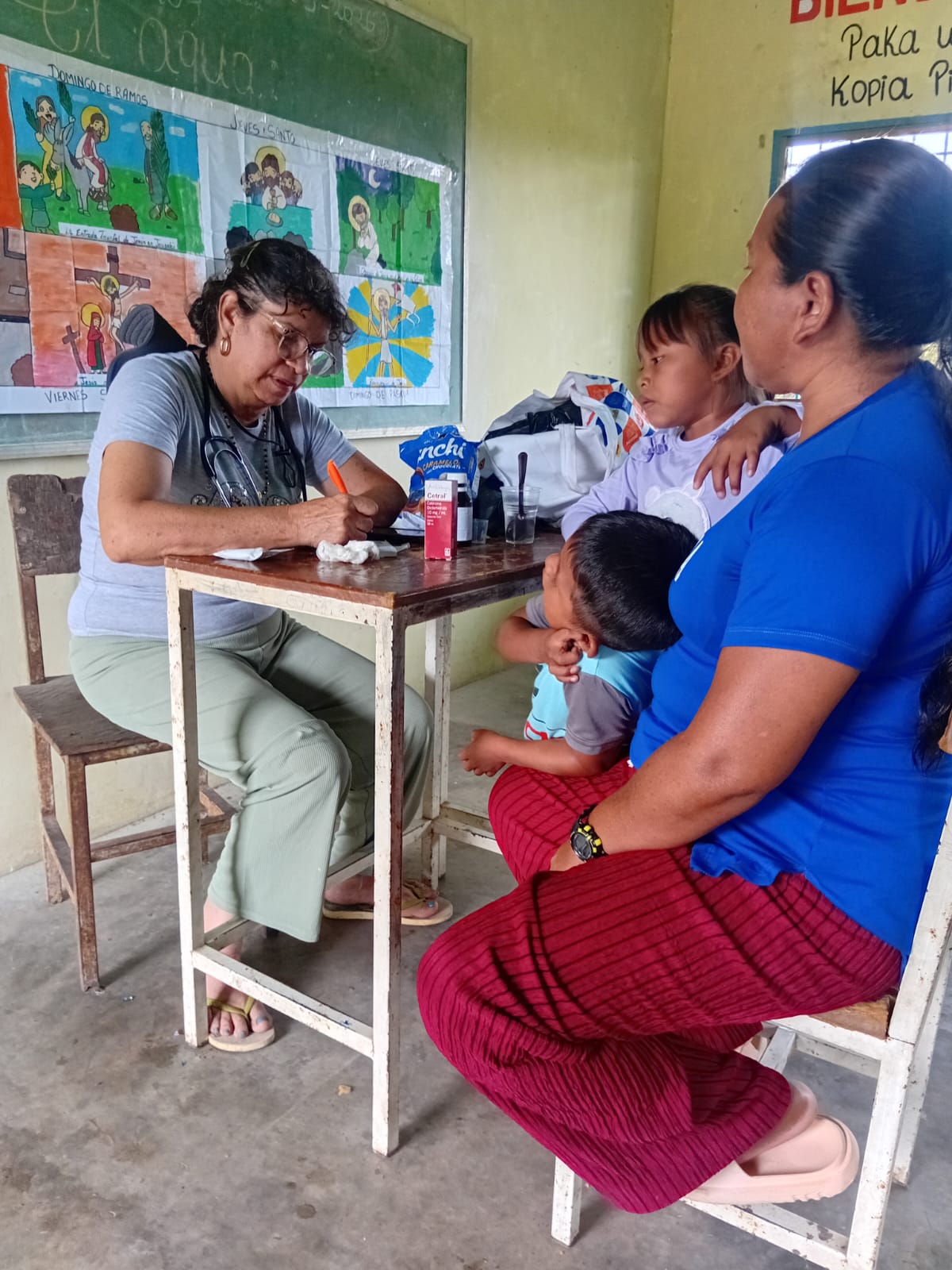
The experience also revealed deep gaps in access to basic rights:
“There were children who had never been seen by a doctor since birth,” he notes, highlighting the urgency of a comprehensive Church presence in these territories.
However, beyond the difficulties, the missionary highlights the spiritual and communal richness of the indigenous peoples:
“These communities are an example of God’s love. They teach us to live in unity, to share, to recognize God’s presence in daily life”.
The mission was carried out in a synodal spirit, where indigenous peoples are not passive recipients but true protagonists: they lead catechesis, celebrate the Word, and transmit the faith from their own worldview. In the missionary’s own words:
“This is not a Church that merely visits, but a Church that remains, that listens and recognizes that God was already in the Amazon before our arrival”.
This journey also faces great challenges: geographical distances, the threat of extractivism, the fragility of basic services, and the need to strengthen lay leadership. But at the same time, signs of hope are emerging: indigenous youth committed to their communities, ecclesial networks coordinating efforts, and a deep cultural resilience that keeps ancestral languages and traditions alive.
The Amazon, from this concrete experience, issues an urgent call to the world:
“Everything is connected. What happens to the jungle will happen to the planet. We are called to an ecological conversion that leads us to care for life in all its forms.”
This mission, lived in the silence of the river and the depths of the jungle, is a living testimony of a Church that goes forth, incarnate, learning, accompanying, and allowing itself to be transformed. A synodal Church that, in the heart of the Amazon, continues to proclaim through deeds that faith, when authentic, always becomes action.