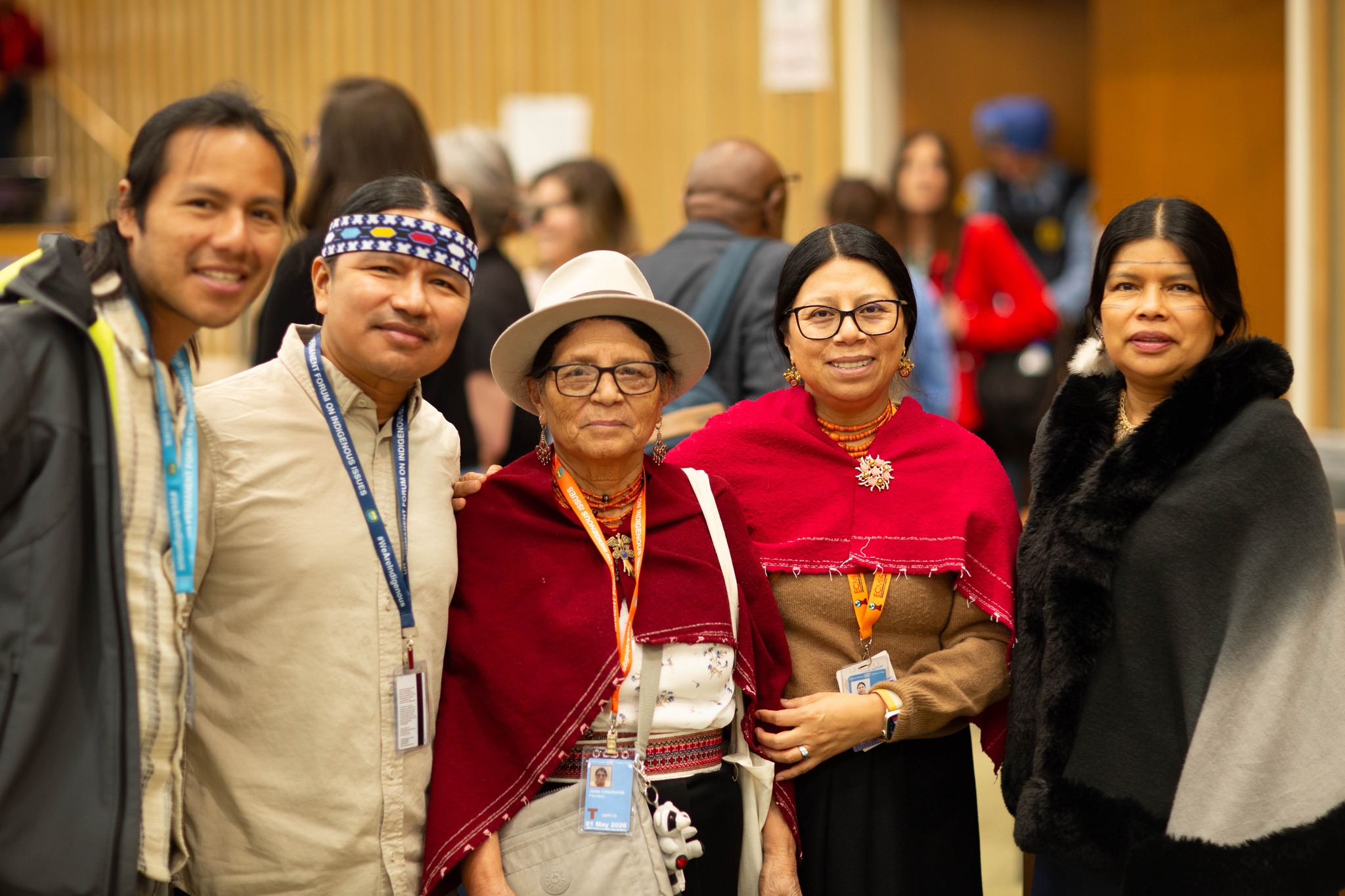
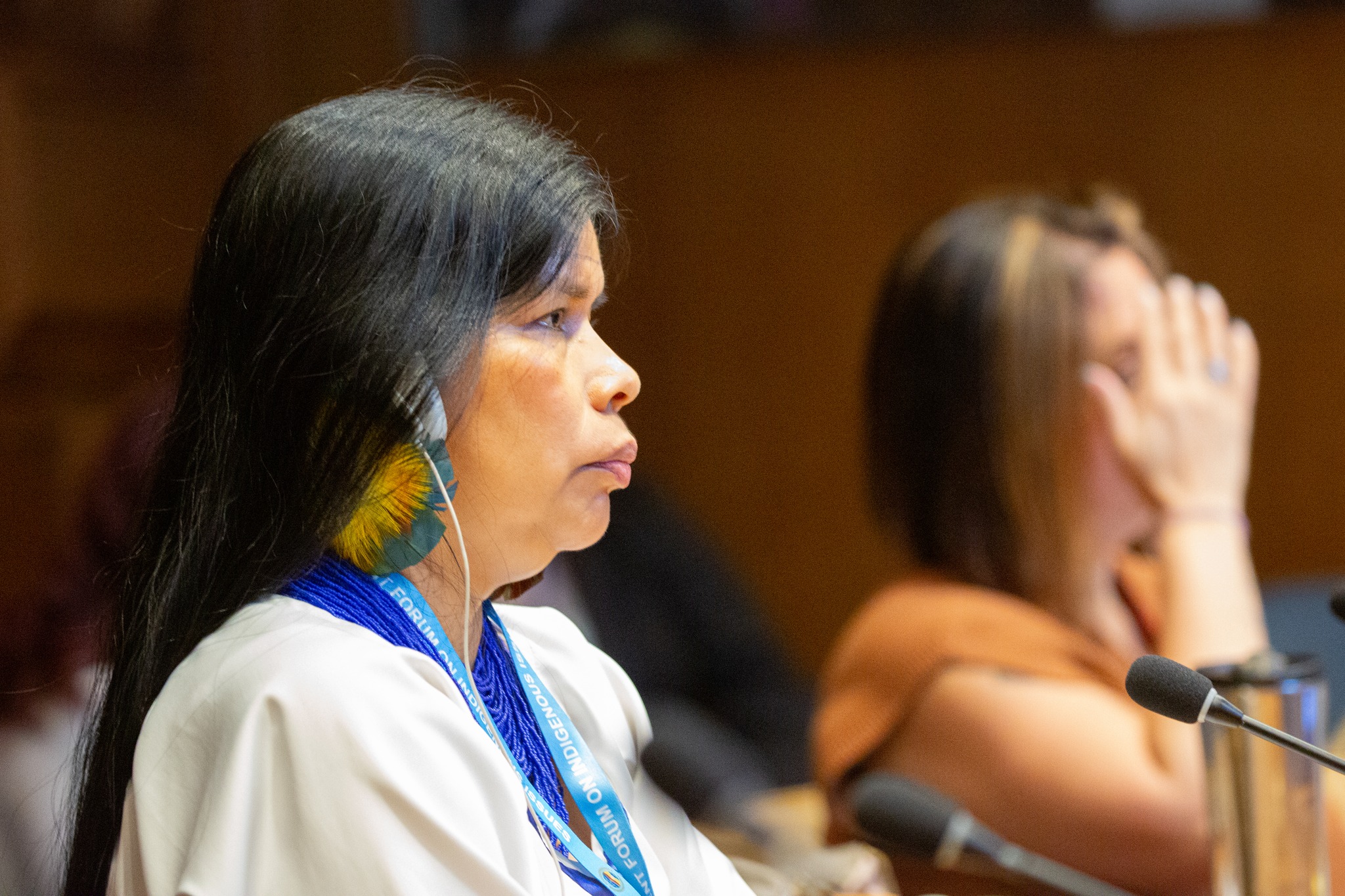
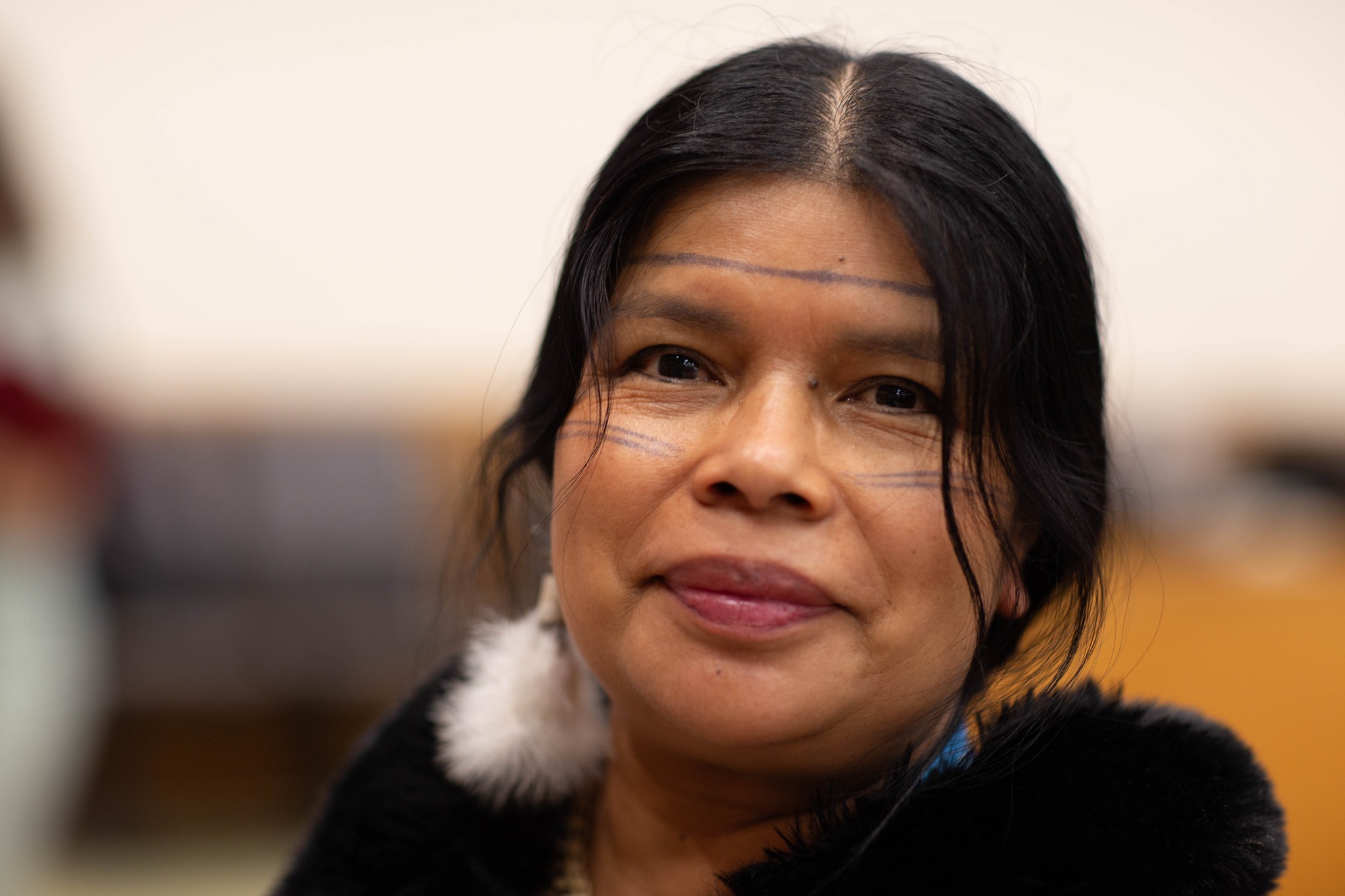
Patricia Gualinga, an Amazonian indigenous leader and former president of the Ecclesial Conference of the Amazon (CEAMA), shared her experience as a member of the United Nations Permanent Forum on Indigenous Issues, highlighting the importance of this international forum in bringing to light the realities faced by indigenous peoples in different regions of the world.
Gualinga, who is one of the 16 independent experts on the Forum and represents Latin America and the Caribbean, explained that this body serves as a vital platform for indigenous peoples to publicly present their concerns, complaints, and proposals to the United Nations system and governments.
“The Permanent Forum is a space where indigenous peoples come to openly express the situations they face in each of their countries. Here, their demands, concerns, and proposals are heard,” she noted.
During this session, topics such as the health of indigenous peoples, human rights, climate change, and other priority issues for indigenous communities were addressed. Delegations from different parts of the world have had the opportunity to briefly describe the realities they face in their territories.
Complaints Demanding Responses
Patricia Gualinga highlighted that a significant portion of the statements has been marked by complaints related to extractive activities, human rights violations, environmental impacts, and violations of the collective rights of indigenous peoples.
“It is regrettable to hear that in many countries, situations that harm the rights of indigenous peoples are recurring. This forum allows us to shed light on what is happening and to make recommendations so that these realities are addressed,” she stated.
As part of their work, Forum members analyze the delegations’ statements, hold bilateral meetings with governments and organizations, and draft recommendations that are subsequently addressed to United Nations agencies and States.
The Amazonian leader expressed her hope that the recommendations emerging from this session will help strengthen the protection of indigenous rights and, above all, that there will be the political will to implement them.
“The most important thing is that governments have the will to comply with and implement the recommendations. Otherwise, the same issues of human rights violations will continue to recur,” she warned.
An Amazonian Voice in the United Nations System
Gualinga highlighted the importance of being the first Amazonian woman to serve on the Permanent Forum, a responsibility she assumes with the commitment to bring the concerns and proposals of indigenous peoples to international decision-making forums.
“We have a responsibility to listen to all the information brought by the world’s indigenous peoples and ensure that their concerns are reflected in the recommendations we issue,” she explained.
She also noted that the Forum has become a key platform for denouncing failures to comply with court rulings, violations of territorial rights, environmental impacts, and issues related to the health and well-being of indigenous communities. At the same time, it allows for the sharing of successful experiences that can inspire public policies and protective measures in other contexts.
The Role of the Church and Ecclesial Networks
Patricia Gualinga also highlighted the Church’s presence in this international forum, particularly through thePan-Amazonian Ecclesial Network (REPAM) and other ecclesial organizations that support indigenous peoples.
“The Church is a very important ally because it helps bring attention to what is happening in our territories and can advocate to prevent setbacks in human rights,” she said.
As she explained, the participation of church organizations helps strengthen advocacy efforts and broaden the reach of the complaints and proposals emerging from Amazonian territories.
Furthermore, she noted that all statements made at the Forum are translated into the official languages of the United Nations and disseminated internationally, which helps amplify the voices of indigenous peoples and draw greater attention to the challenges they face.
Advocacy for the Defense of Rights
For the former president of CEAMA, one of the Permanent Forum’s greatest contributions is its ability to connect indigenous peoples with international organizations, governments, civil society organizations, and church actors committed to the defense of human rights.
“Raising awareness of what is happening in the territories is essential. So is building alliances and bridges among those working for justice, the protection of indigenous peoples, and the care of our Common Home,” she concluded.
Patricia Gualinga’s participation in the United Nations Permanent Forum reaffirms the importance of Amazonian voices being present in international forums where policies that directly impact the lives of indigenous peoples and the future of the territories they inhabit are discussed and defined.