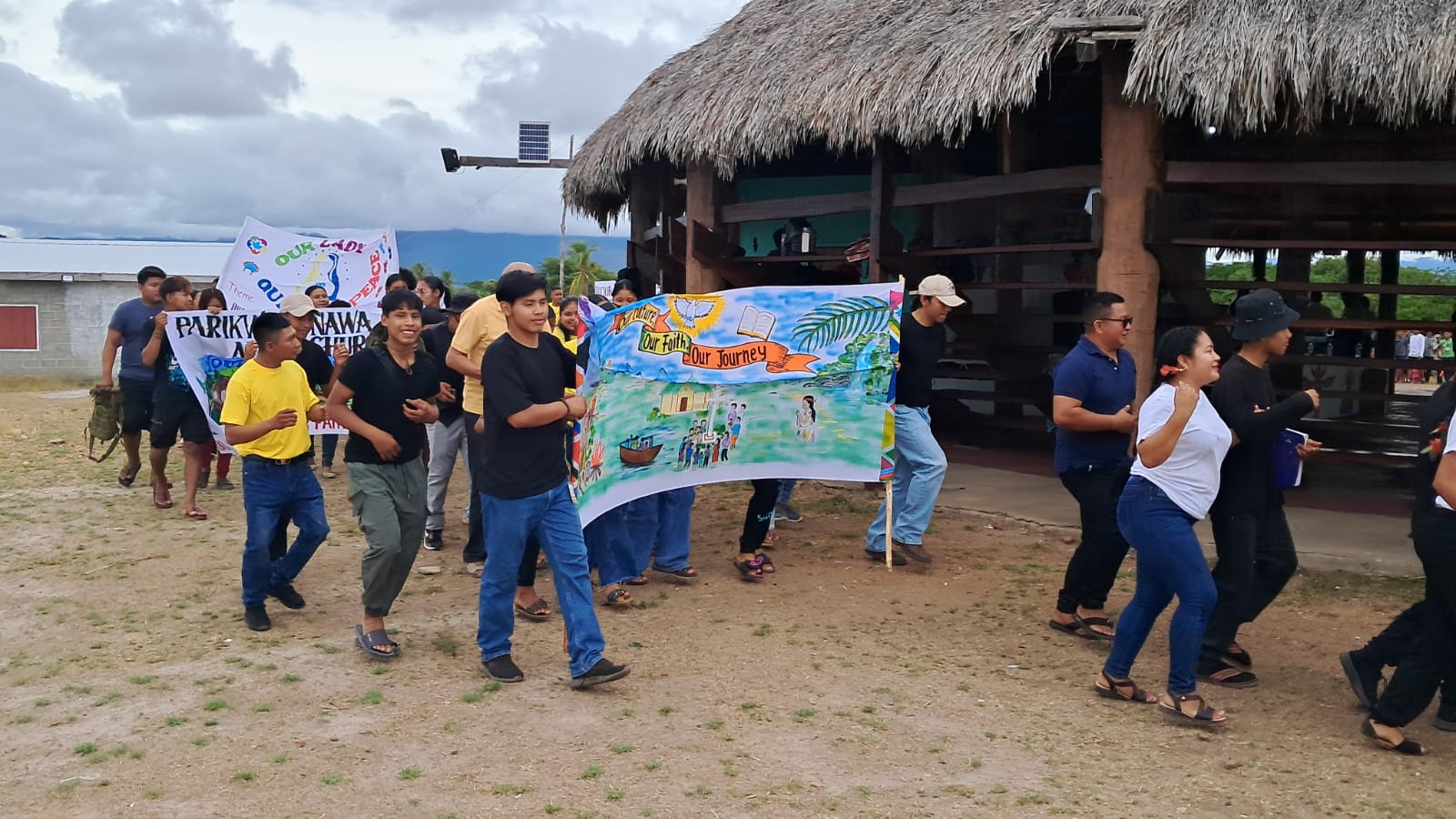
As part of World Environment Day, celebrated every June 5, the lay vice-president of the Ecclesial Conference of the Amazon (CEAMA), Marva Joy Hawksworth, shared a profound reflection on the relationship between indigenous peoples and the care of creation, emphasizing that environmental protection is not an occasional task, but a way of life rooted in the culture and spirituality of Amazonian communities.
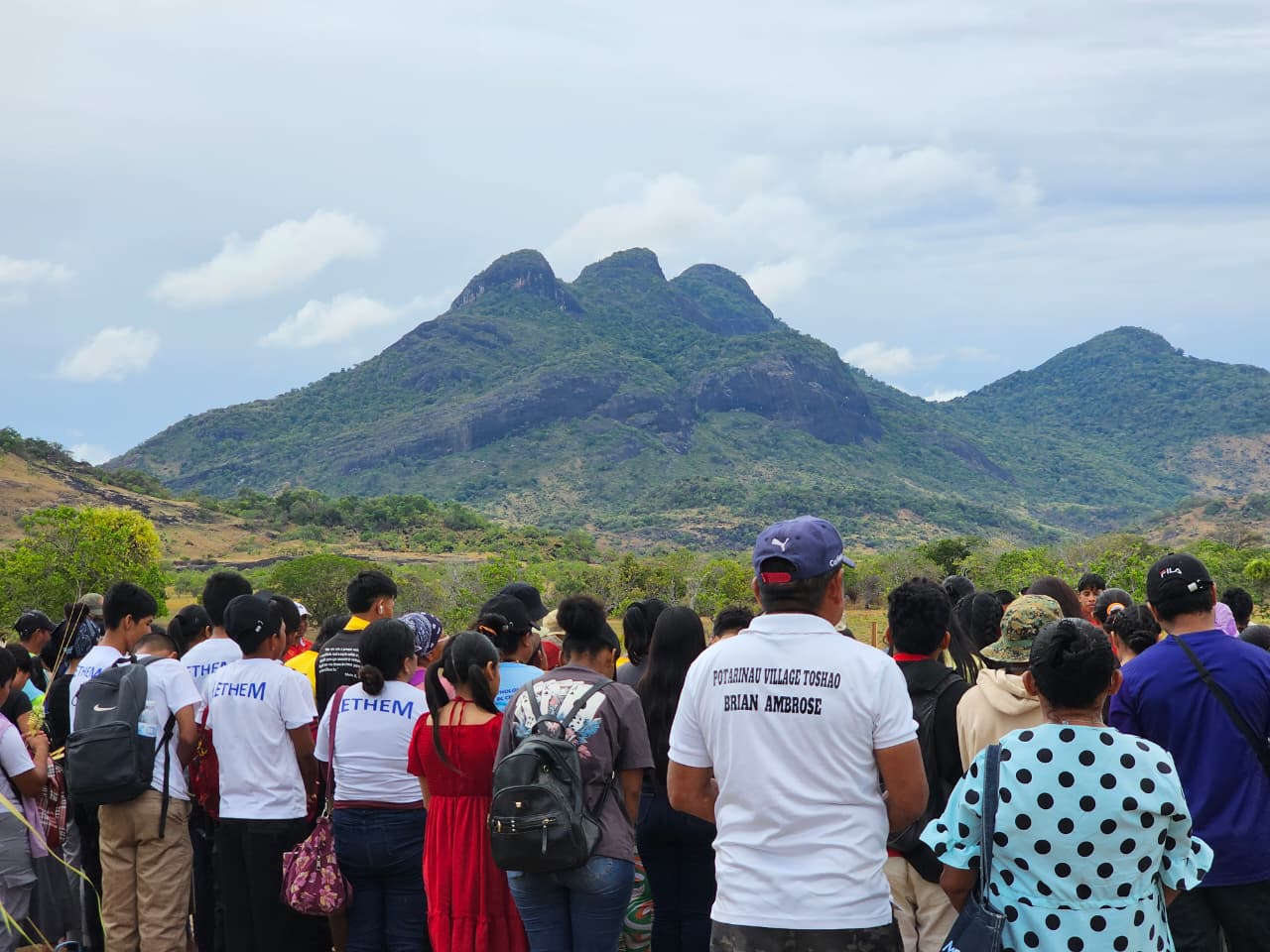
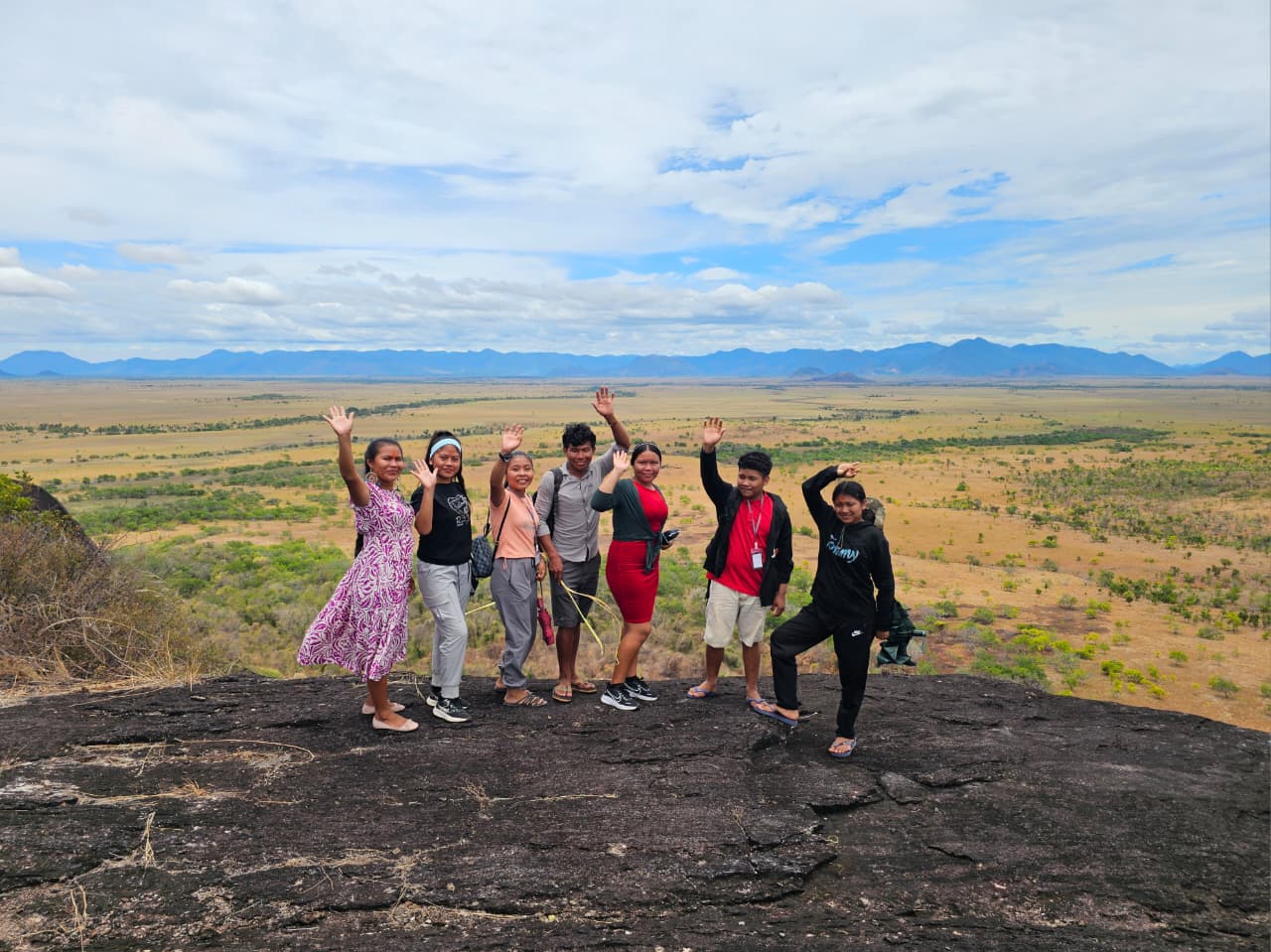
From the Rupununi region in Guyana, Hawksworth recalled that indigenous peoples have learned to live in harmony with nature’s cycles through knowledge passed down from generation to generation. In a vast tropical savanna marked by intense dry seasons and periods of heavy rainfall, communities have developed sustainable ways of farming, fishing, and hunting, maintaining a relationship of respect and balance with the land.
“Caring for the environment isn’t something we do once a year; it’s something we live every day,” said the Amazonian leader, emphasizing that this ancestral knowledge remains a fundamental guide for addressing current challenges.
This year’s commemoration coincides with the rainy season in Rupununi, which runs from May to August. During these months, rivers swell and vast areas of the territory are flooded. Although this situation creates difficulties for many families, affects crops, and leaves some communities isolated, it is also a vital time for the regeneration of ecosystems.
The floods allow for the reproduction of iconic species such as the arapaima, various turtles, and a wide variety of fish and wildlife. Likewise, the rains revitalize the soil and support the continuity of the natural cycles that sustain life in the region.
From a faith perspective, Hawksworth recalled that creation is a gift from God and that humanity has been called to exercise responsible stewardship over the gifts of nature.
“As sons and daughters of God, we have been placed in this beautiful and abundant environment for a purpose. We are called not only to use the earth but also to protect it”, she stated.
In light of the increasingly visible effects of climate change, the lay vice president of CEAMA called for deep reflection on the concrete actions that every person, community, and nation is taking to safeguard the natural heritage we have received.
In her message, she highlighted various community initiatives that today represent signs of hope in Rupununi, including the Turtle Festival, the Red-billed Bunting protection programs, the work of Kaiman House, conservation efforts in the Kanuku Mountains, and arapaima protection projects. These experiences demonstrate the growing commitment of local communities—and especially of the younger generations—to the defense of biodiversity.
Finally, Hawksworth called for the activities carried out as part of World Environment Day to become a permanent way of life.
“May this day not be merely an event, but a renewed commitment to live wisely, respect our traditions, and protect the Rupununi for future generations”, he said.
From CEAMA, this reflection resonates strongly throughout the Amazon, where indigenous peoples continue to offer the world a testament to harmonious coexistence with nature, reminding us that caring for our Common Home is a spiritual, ethical, and collective responsibility that involves all of humanity.