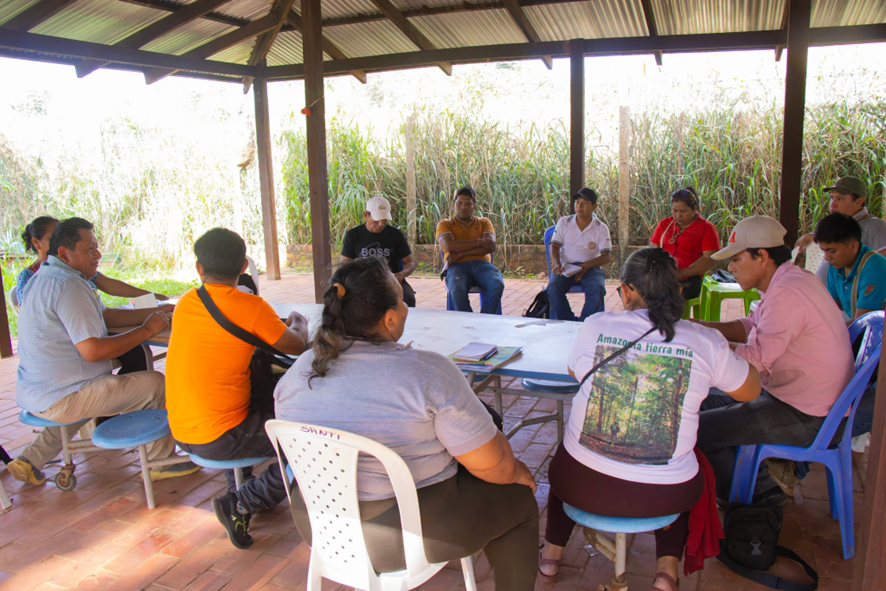
Indigenous, peasant, and social organizations from the Bolivian Amazon approved a set of proposals in Riberalta that will be presented as a national mandate to the 12th Pan-Amazonian Social Forum (FOSPA), to be held in August 2026 in Puyo, Ecuador. The agenda prioritizes the defense of territories, climate justice, food sovereignty, women’s rights, and the strengthening of community governance.
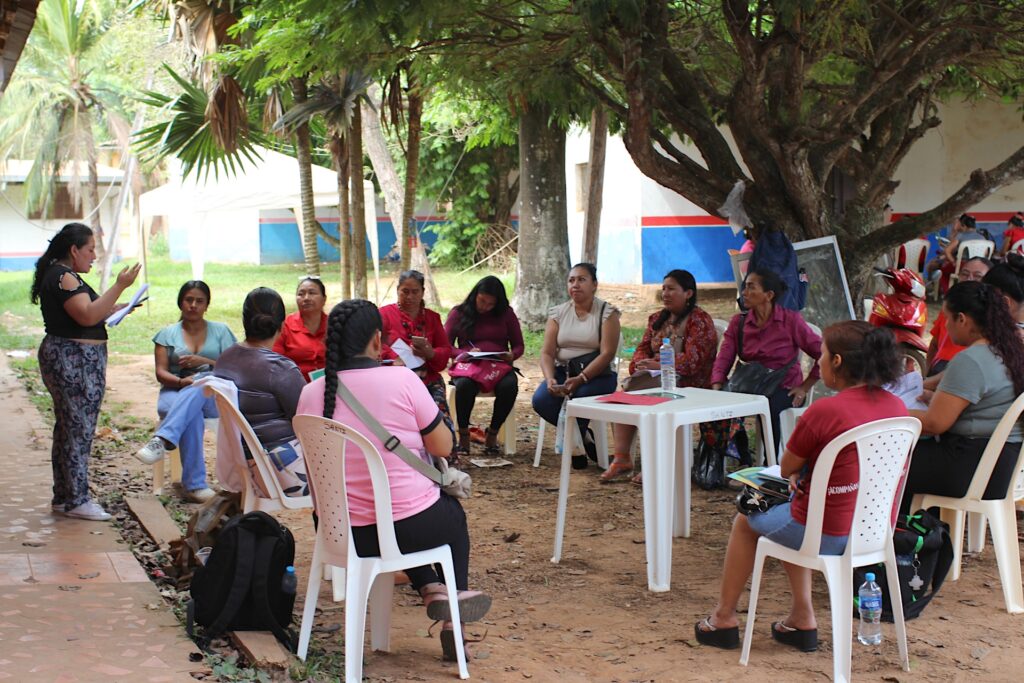
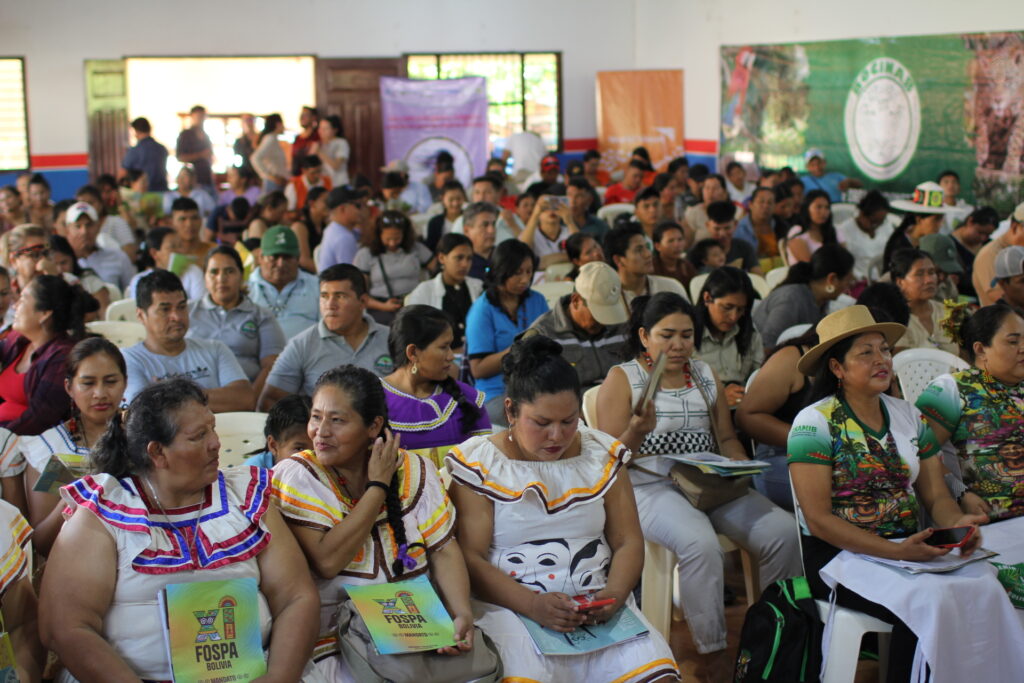
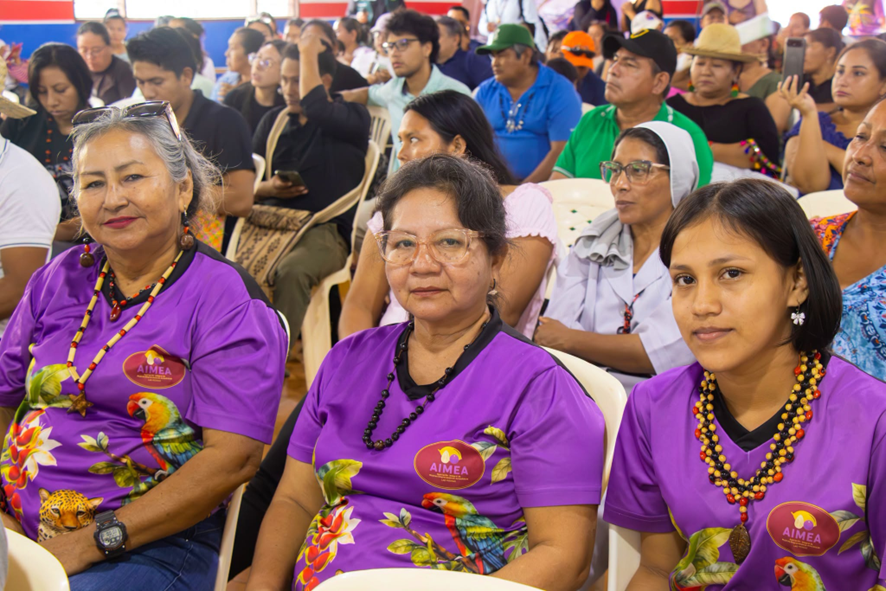
From July 10 to 12, 2026, representatives of indigenous communities, peasant organizations, and civil society institutions gathered in the Amazonian city of Riberalta (Beni) to hold the Pre-FOSPA Bolivia, a space for reflection and collective action under the slogan “The Amazon: One Territory.”
As a result of the meeting, the organizations adopted a document of conclusions that compiles assessments, concerns, and proposals developed at the local level to strengthen the defense of the Bolivian Amazon and contribute to the regional agenda to be presented during the 12th Pan-Amazonian Social Forum (FOSPA), scheduled for August 2026 in Puyo, Ecuador.
The document is based on the recognition that the Amazon is facing a multidimensional crisis marked by the advance of extractivism, deforestation, wildfires, mining pollution, the erosion of territorial rights, and the growing impact of climate change on communities.
An Agenda to Defend the Amazon from the Ground Up
The participating organizations agreed that protecting the Amazon requires strengthening the territorial governance of Indigenous peoples and small farmers, consolidating community monitoring mechanisms, and ensuring effective compliance with the right to free, prior, and informed consent.
Among the main proposals are the passage of a new Forest Law, the repeal of regulations that facilitate the expansion of the agricultural frontier and land clearing, legal protection for environmental defenders, and the incorporation of the crime of ecocide into Bolivian law.
Furthermore, the document calls for the effective implementation of the Escazú Agreement, the strengthening of environmental justice, and compliance with the rulings issued by the Agro-Environmental Court regarding the protection of forests and indigenous territories.
Facing the Climate Crisis: Prevention, Organization, and Restoration
One of the issues of greatest concern was the increase in wildfires and the accelerated loss of Amazonian forests.
The organizations propose shifting from a reactive model to a permanent prevention strategy by training and equipping community fire brigades, strengthening volunteer fire departments, and creating an Amazonian coordination unit to address fires.
They also propose allocating specific resources in municipal budgets for fire prevention and response, establishing community environmental managers, and strengthening territorial monitoring systems with the active participation of Indigenous youth.
The conclusions emphasize that the climate crisis cannot be addressed solely through market-based mechanisms. In this regard, they express reservations about carbon markets and demand that any initiative related to these instruments be subject to effective prior consultation processes with communities.
Agroecology and Food Sovereignty as Alternatives
The document identifies a profound tension between the extractivist model based on monocultures, mining, and agroindustrial expansion, and the traditional family farming practices promoted by Indigenous peoples and peasant communities.
In response, the organizations propose strengthening agroecology through the creation of community schools, specialized technical institutes, a Pan-Amazonian Council on Agroecology, and legislation that guarantees resources for this production model.
They also advocate for the recovery of native seeds, the strengthening of agroforestry systems, community fish farming, and marketing networks that prioritize locally produced food for public programs such as school meals and food subsidies.
Amazonian Women Strengthen Their Leadership Role
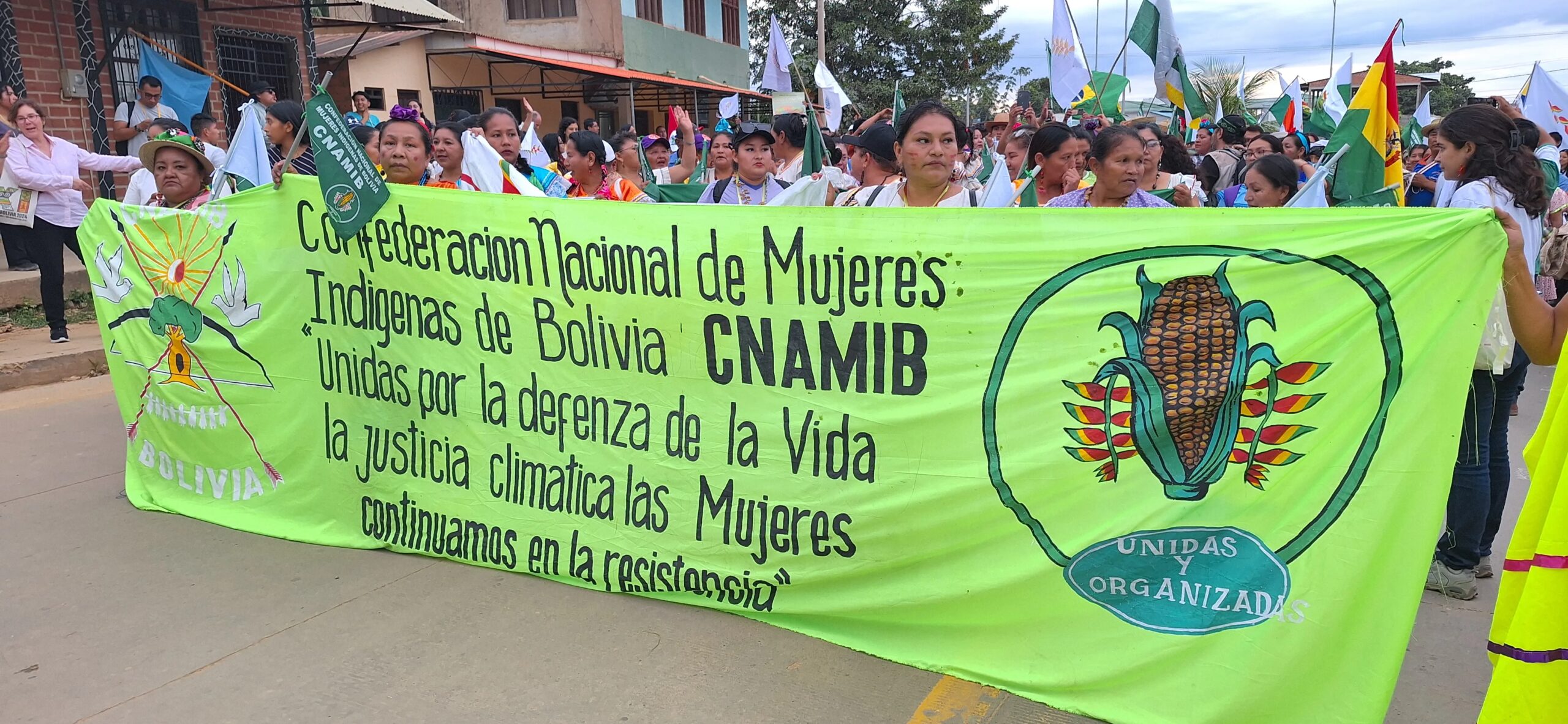
One of the most significant themes of the Pre-FOSPA conference was dedicated to the resistance and leadership of Indigenous and peasant women.
The participants demanded greater participation in political decision-making forums, public budgets, and territorial governments, as well as the strengthening of schools for political education and women’s leadership.
The document also proposes expanding legislation to incorporate new forms of violence, such as political and digital violence, strengthening community protection networks, promoting processes of depatriarchalization, and guaranteeing resources for women’s organizations.
On health issues, the document calls for the recognition of traditional medicine, the protection of ancestral knowledge, the strengthening of intercultural care, and urgent action to address sexual violence and teenage pregnancies.
An Amazonian Voice Heading Toward FOSPA
The conclusions of the Pre-FOSPA Bolivia meeting express the commitment of Amazonian organizations to strengthen regional coordination to address the threats affecting the Amazon basin.
The document reaffirms that the defense of the Amazon must be built from within the peoples themselves, recognizing their collective rights, their forms of organization, their ancestral knowledge, and their fundamental role in caring for our Common Home.