Amid songs, challenges, and waterways, the mission becomes a living presence in the communities of Ligorio and Semoisie, in Suriname.
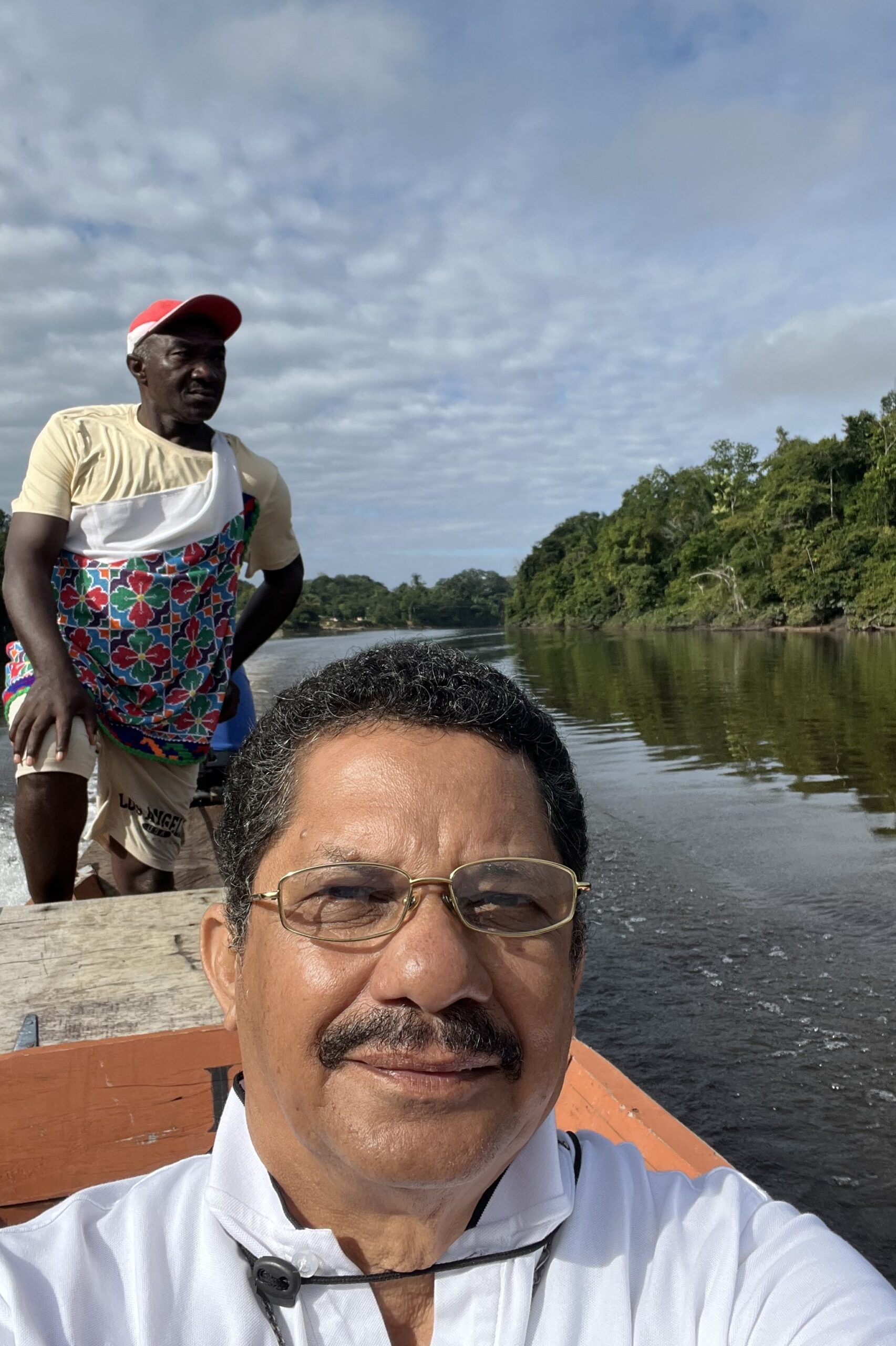
Deep in the heart of the Amazon, where rivers are roads and the jungle embraces daily life, the Church continues to weave its mission with simplicity, closeness, and hope. From February 26 to March 3, Karel Choennie, Bishop of Paramaribo (Suriname), made a pastoral visit to the communities of Ligorio and Semoisie, accompanied by Father Kenneth Vigelandzoon and local catechists.
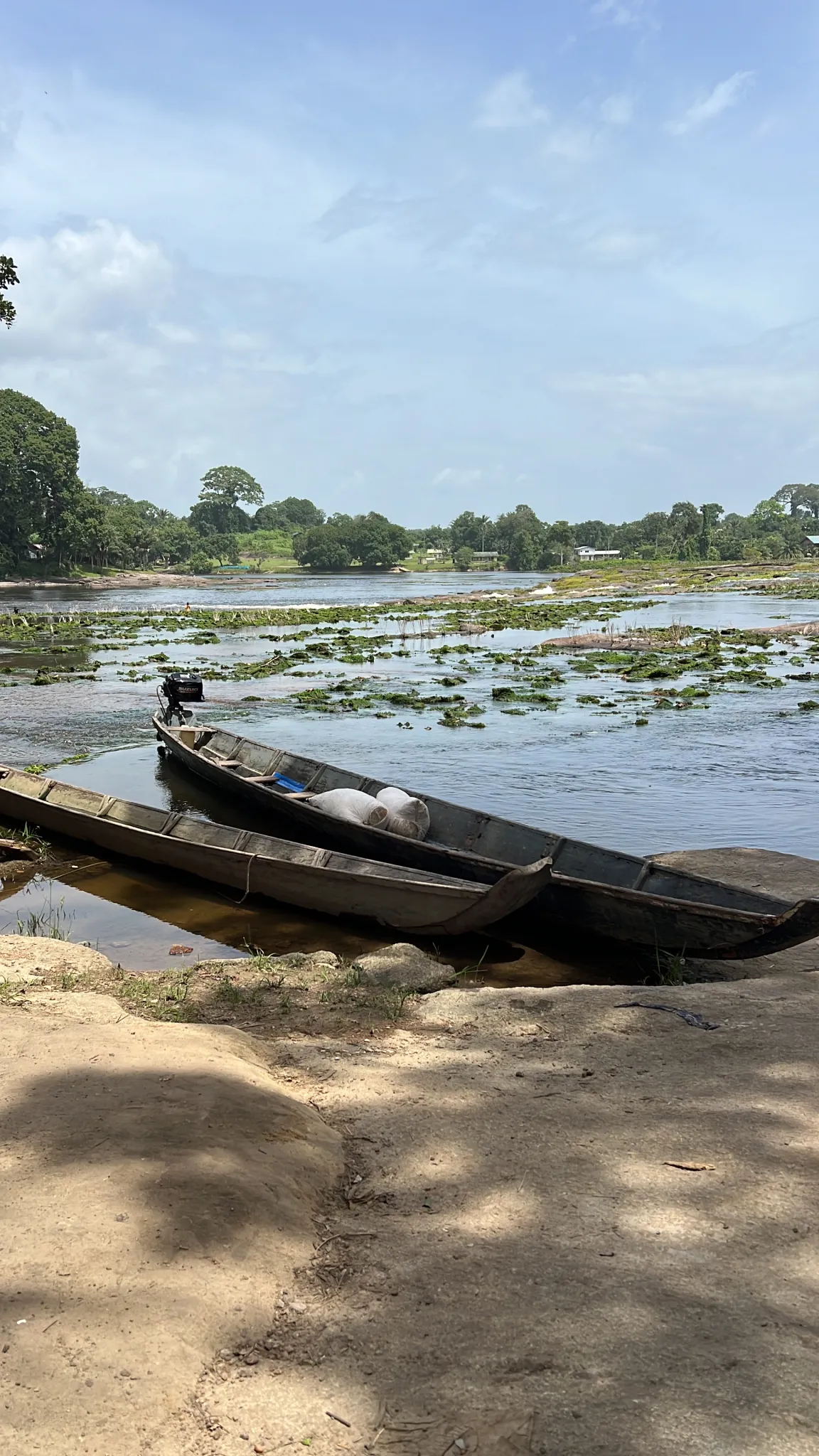
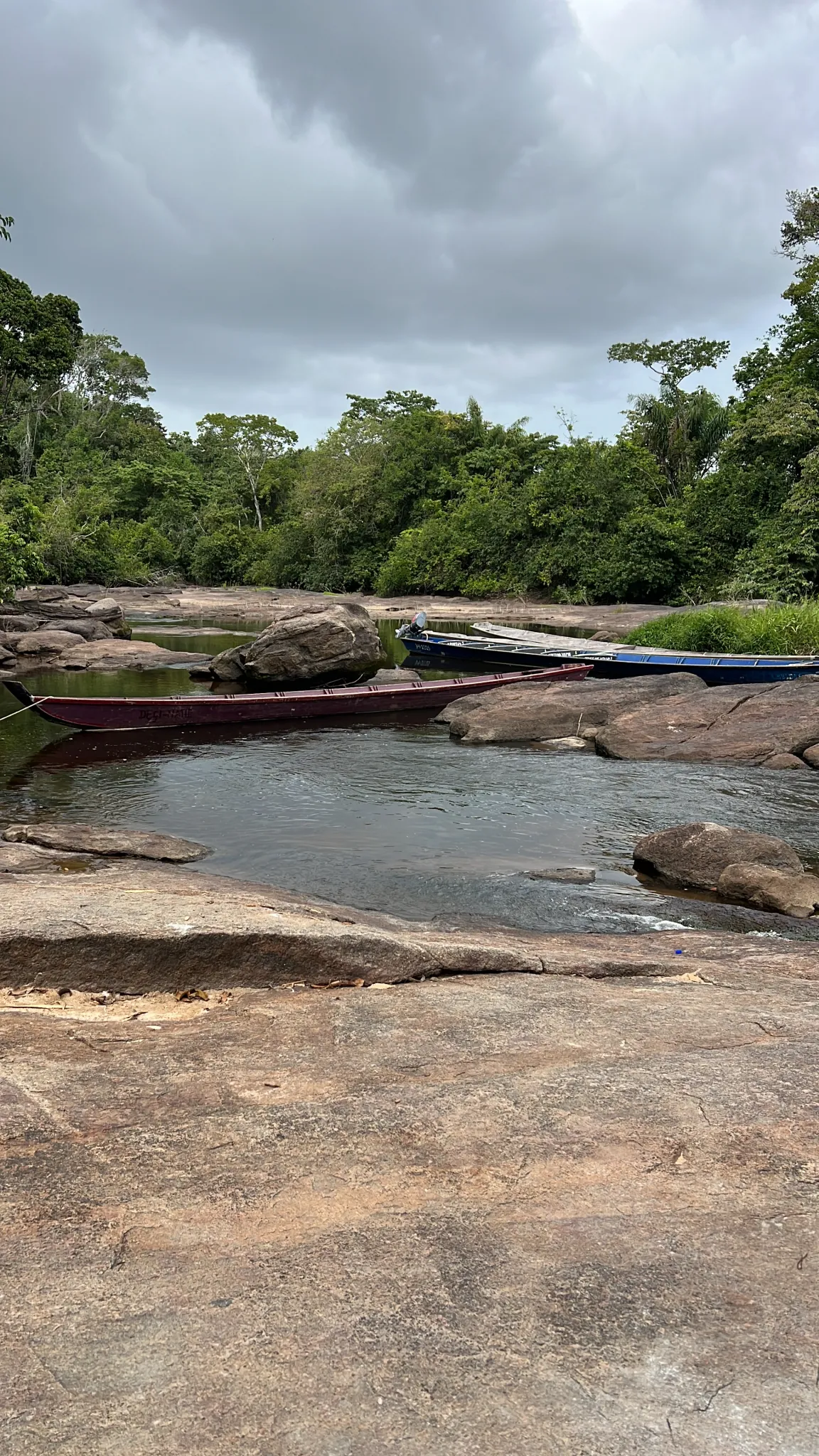
The journey, made along the Suriname River, was not merely a geographical journey but a spiritual experience. Guided by the expertise of Godfried Adjako, a catechist and boatman, the journey became a living metaphor for the mission: to trust, to let oneself be carried along, and to learn from the land. Amid the immensity of the river and the jungle, the Church recognizes itself as a pilgrim, simple, and close to the lives of the people.
Ligorio: a town marked by faith
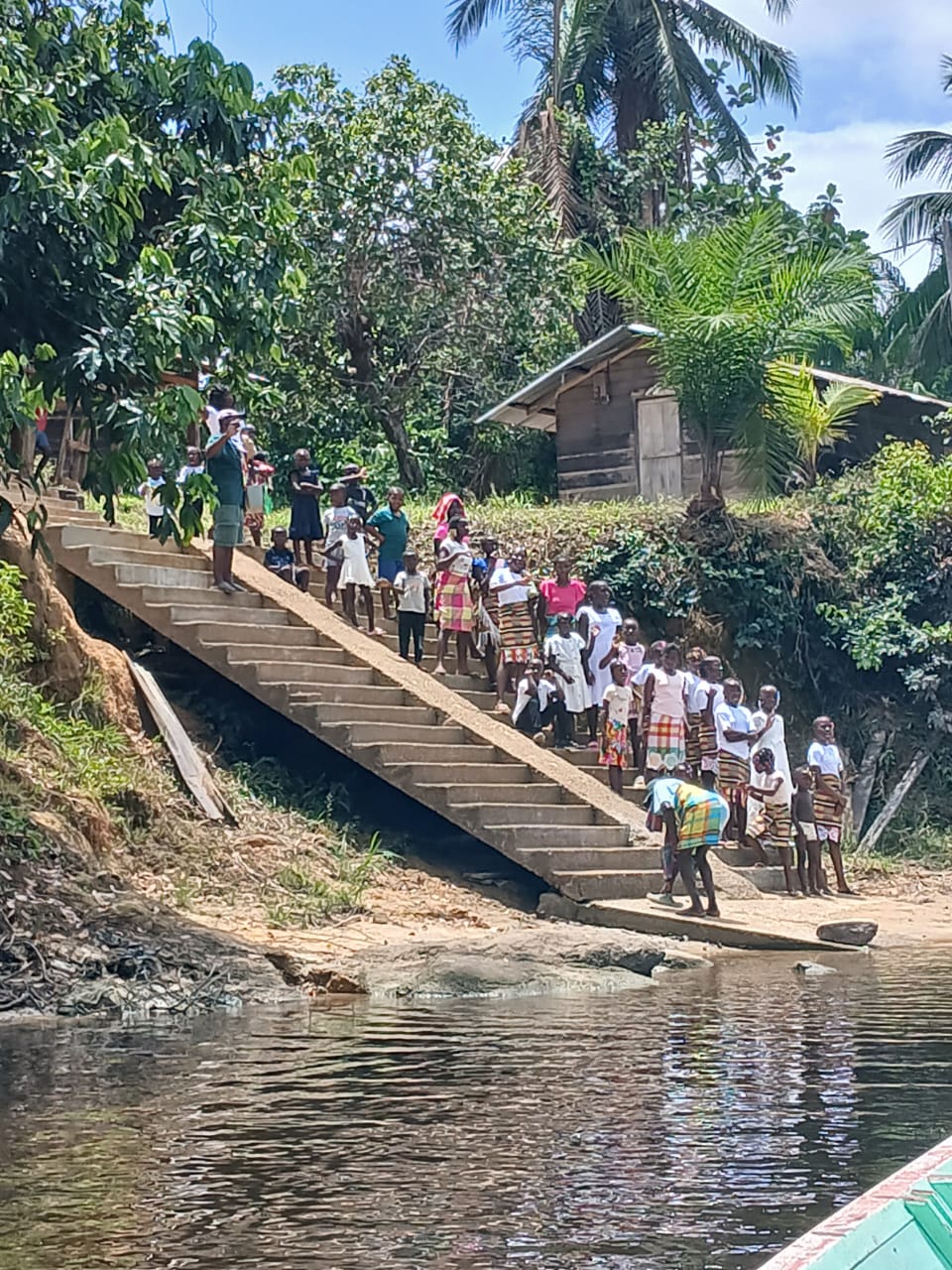
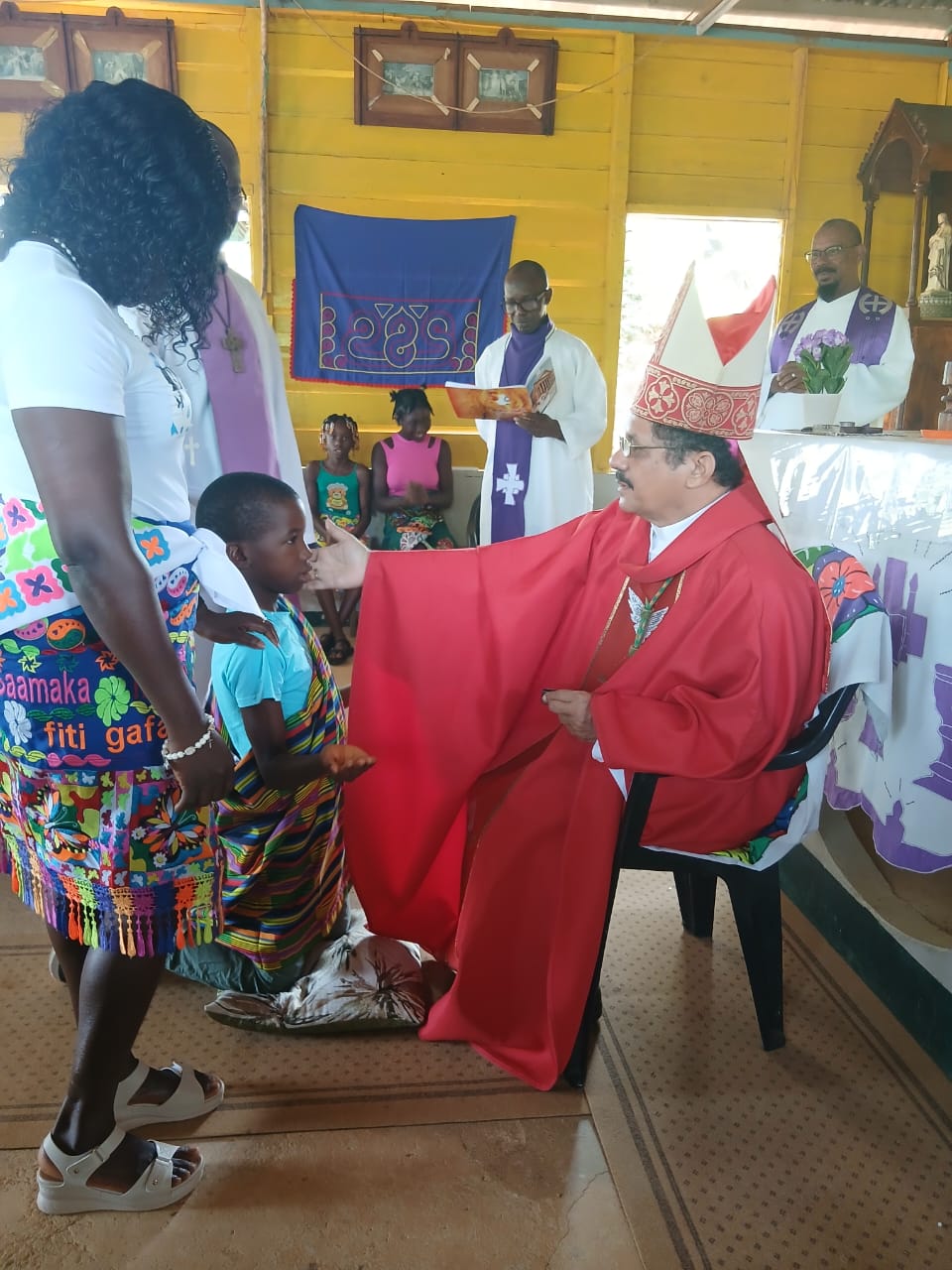
Ligorio, a town with a history deeply marked by faith, welcomed the delegation with songs, music, and joy. There, where more than a century ago the inhabitants themselves undertook a long journey to invite the mission, faith remains a source of identity and pride. The celebration of the Sacrament of Confirmation was a central moment: children and young people, accompanied by their community, intensely experienced a sacrament that not only strengthens their Christian life but also their cultural identity.
A hopeful sign was the growing inculturation of the liturgy. Far from foreign external expressions, the celebration began to reflect the rhythms, languages, and symbols of the people themselves. Although there is still a long way to go, especially in the full use of the Saramaka language, these steps show a Church that is learning to speak from the heart of cultures.
However, the visit also revealed the challenges. Migration to the city weakens the community fabric, fragments family life, and affects the development of the villages. Education, often detached from the reality of the region, fails to integrate the knowledge of the forest, agriculture, or traditional medicine. While children memorize foreign content, they risk losing the ancestral knowledge that sustains life in the jungle.
Semoisie: A Living Community of Hope
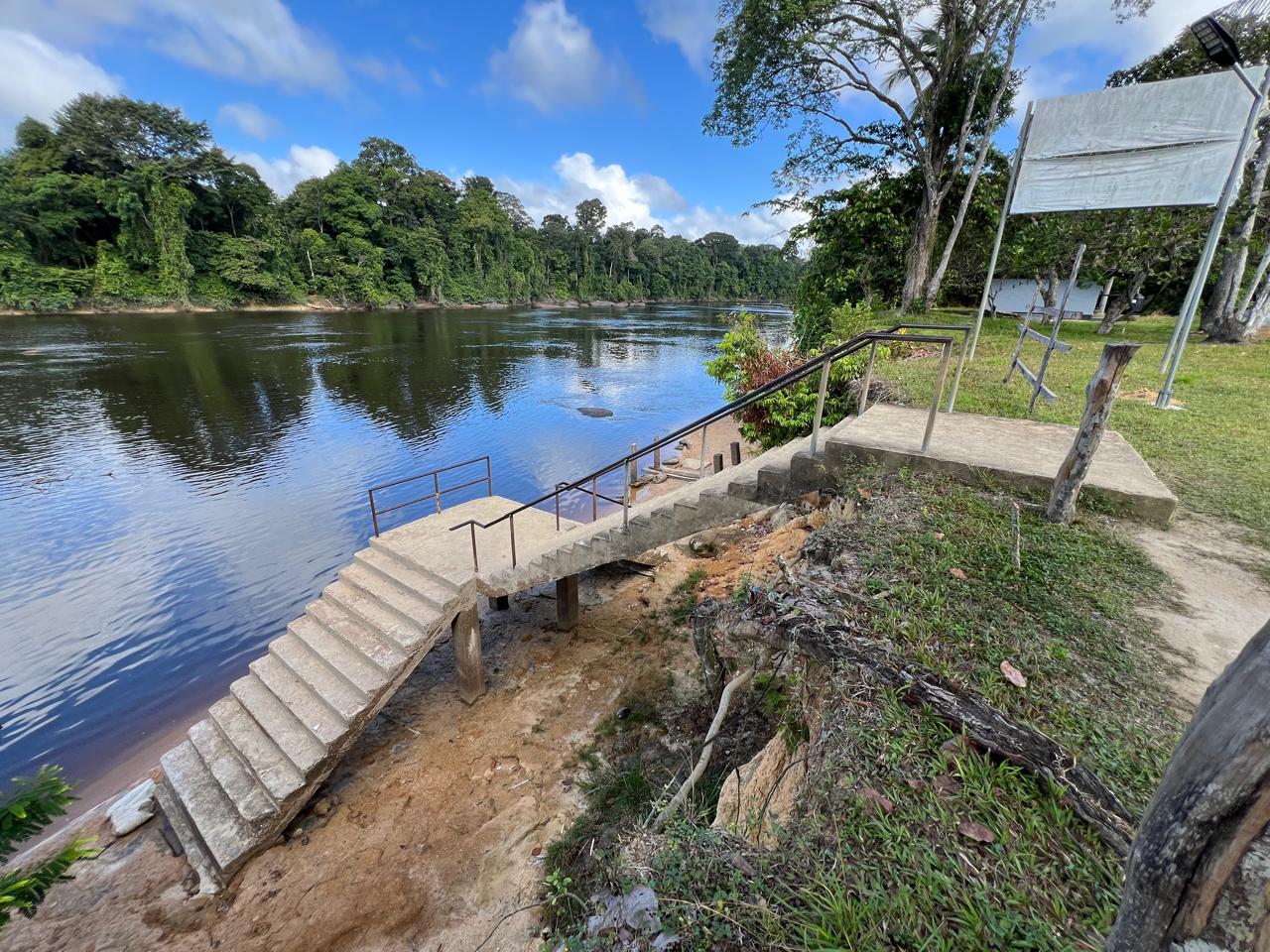
In Semoisie, the landscape is different, more austere, yet equally revealing. There, the difficulties are more visible: erosion threatens homes and community structures; floods have left deep scars; and the lack of basic amenities, such as a cemetery of their own, even affects the practice of faith and the sacraments.
Even so, life finds a way. The community, though small, keeps hope alive. The participation of teachers in celebrations, the singing that echoes through the jungle, and the daily effort to sustain the school are signs of a faith that is embodied and resilient.
The pastoral visit also highlighted concrete aspects that impact daily life: limited access to electricity, water systems in need of maintenance, and the possibilities—still largely untapped—of digital connectivity. Paradoxically, even in these remote areas, the cell phone signal is strong, opening new opportunities for evangelization, formation, and communication.
Challenges for the Church’s Mission in Suriname
In this context, the mission cannot be reduced to occasional visits. It requires a constant presence, close accompaniment, and a firm commitment to integral development: contextualized education, care for the land, empowerment of women, sustainability, and the defense of cultures.
The experience shared by the Bishop of Paramaribo resonates deeply with the path promoted by the Ecclesial Conference of the Amazon (CEAMA): a Church that listens, that walks with the peoples, and that recognizes in them not only recipients but protagonists of the mission.
On the rivers of the Amazon, the Church learns that to evangelize is also to allow oneself to be evangelized. That faith is not imposed, but incarnated. And that, even in the midst of difficulties, life continues to spring forth with strength.
There, where the river follows its course, the mission also continues.